← wetechtalk.com

Education

111 posts

EdTech Buyer's Guide: Choosing the Right School Tools

EdTech Buyer's Guide: Choosing the Right School Tools

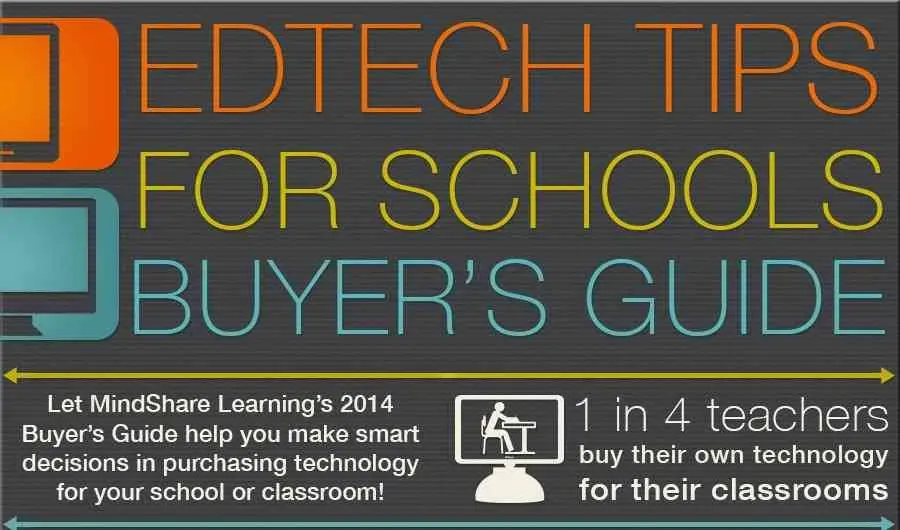
The EdTech Buyer's Guide helps school leaders navigate a crowded market while keeping student outcomes at the forefront, offering practical maps, best-practice checklists, vendor-neutral criteria, and a clear rationale for every recommended step.In today’s classrooms, selecting the right edtech tools for schools can transform learning outcomes, streamline operations, empower teachers with more efficient workflows, support differentiated instruction, and provide scalable solutions that adapt to diverse classroom contexts.

Critical Thinking in Education: Growing Sharp, Curious Minds

Critical Thinking in Education: Growing Sharp, Curious Minds

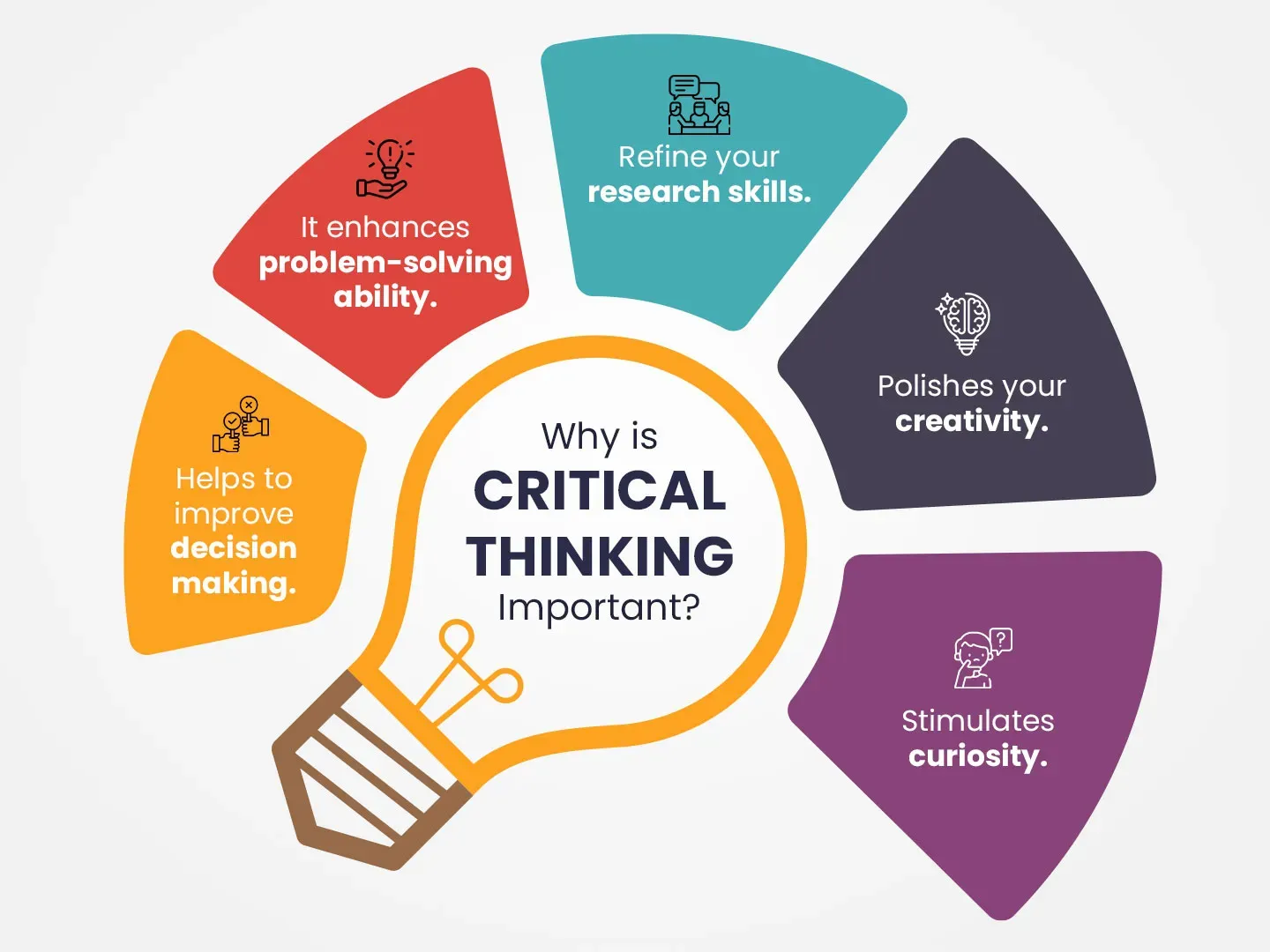
Critical Thinking in Education is more than a classroom buzzword; it marks a deliberate shift from passive reception to active reasoning, evidence-based argument, and the ongoing evaluation of sources across disciplines.When students engage in thoughtful processes—evaluating sources, testing hypotheses, and explaining their thinking—we cultivate thinking skills and metacognition that transfer beyond school to real-world challenges.

Quality Education for All: Closing the Global Gap Now

Quality Education for All: Closing the Global Gap Now

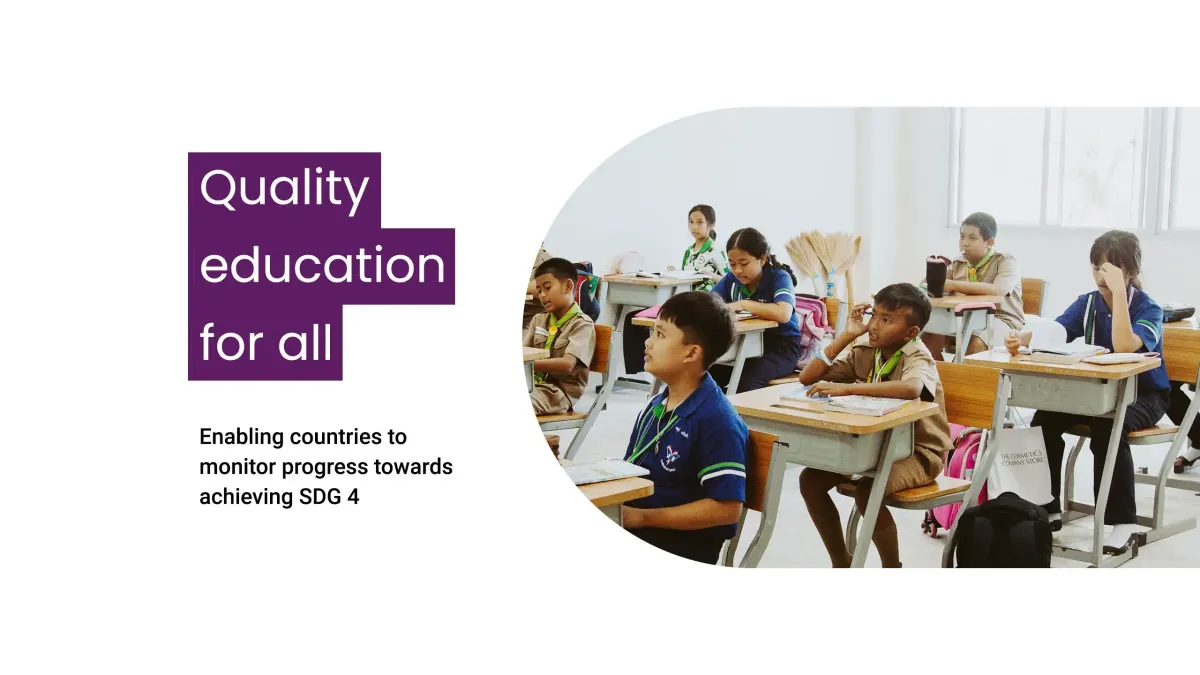
Quality education for all is not only a moral imperative but a practical engine for prosperity, resilience, social cohesion, and informed citizenship that empowers learners to participate meaningfully in work, family life, civic duties, lifelong learning, and creative problem-solving.Across regions and social groups, the global education gap persists, widening when poverty, conflict, and weak infrastructure limit access to high-quality instruction and undermine the long-term opportunities available to families, communities, and future generations.

Education in the digital era: Tech reshapes classrooms

Education in the digital era: Tech reshapes classrooms

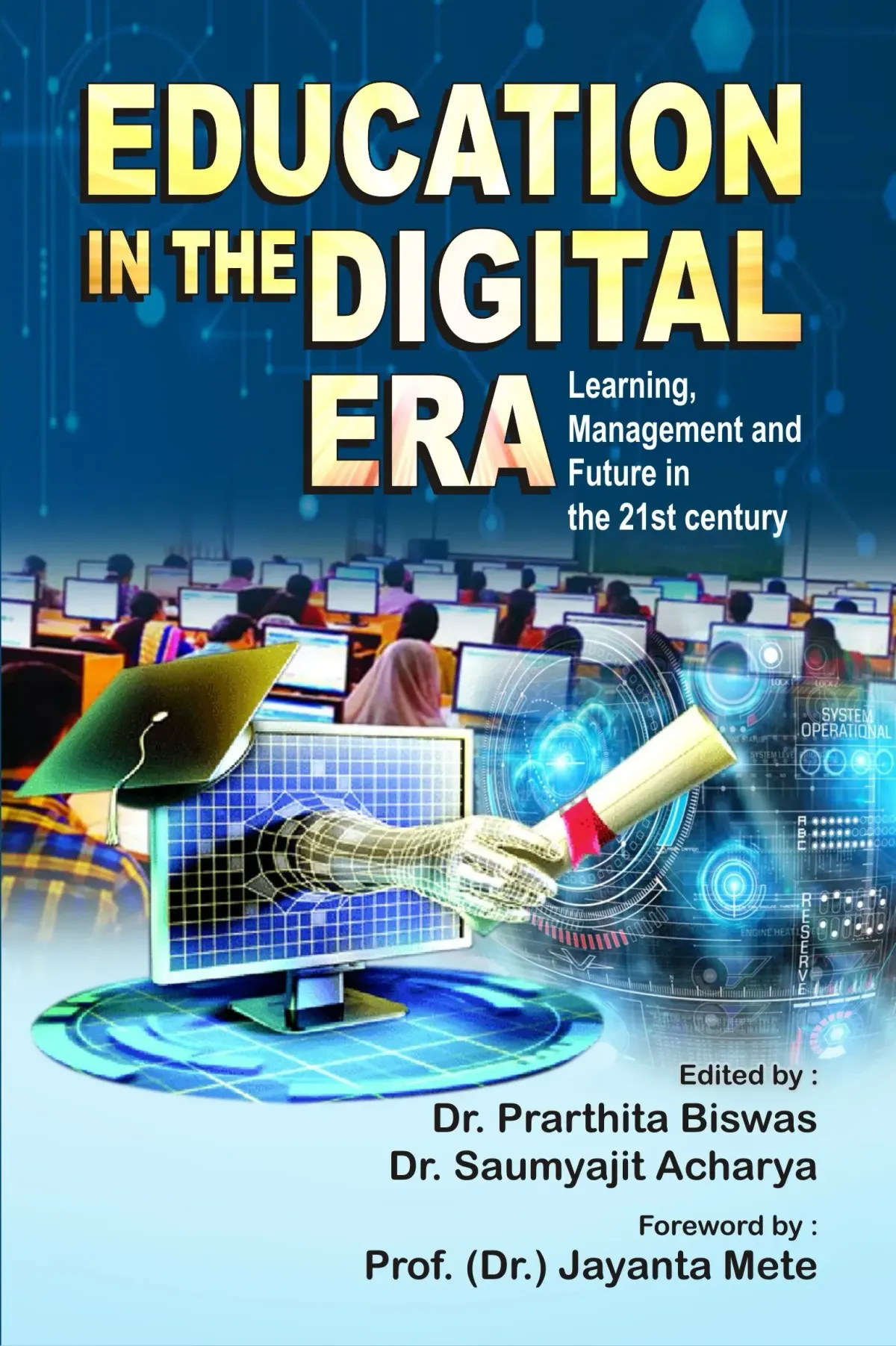
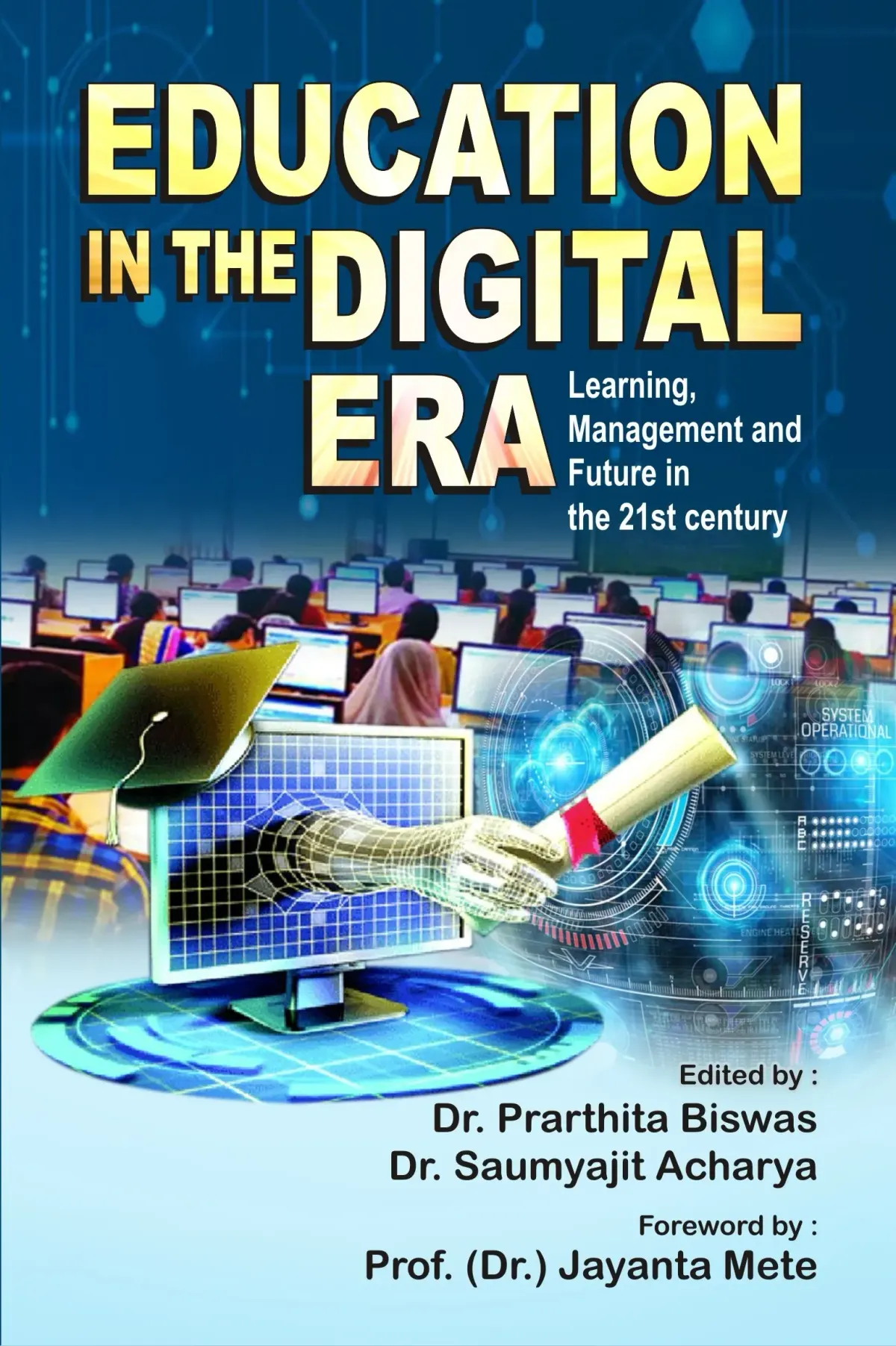
Education in the digital era is redefining what a classroom looks and feels like, shifting from static textbooks to vibrant, interconnected spaces where students explore, create, and collaborate through devices, apps, and online networks, while teachers guide inquiry, curate resources, and foster curiosity across disciplines.This transformation is not about replacing teachers but about expanding their toolkit with technology in the classroom that supports inquiry, collaboration, and personalized pathways, enabling more timely feedback, flexible pacing, and opportunities for students to demonstrate understanding through projects, simulations, and real-world problems.

Education for Social Change: Empowering Communities

Education for Social Change: Empowering Communities

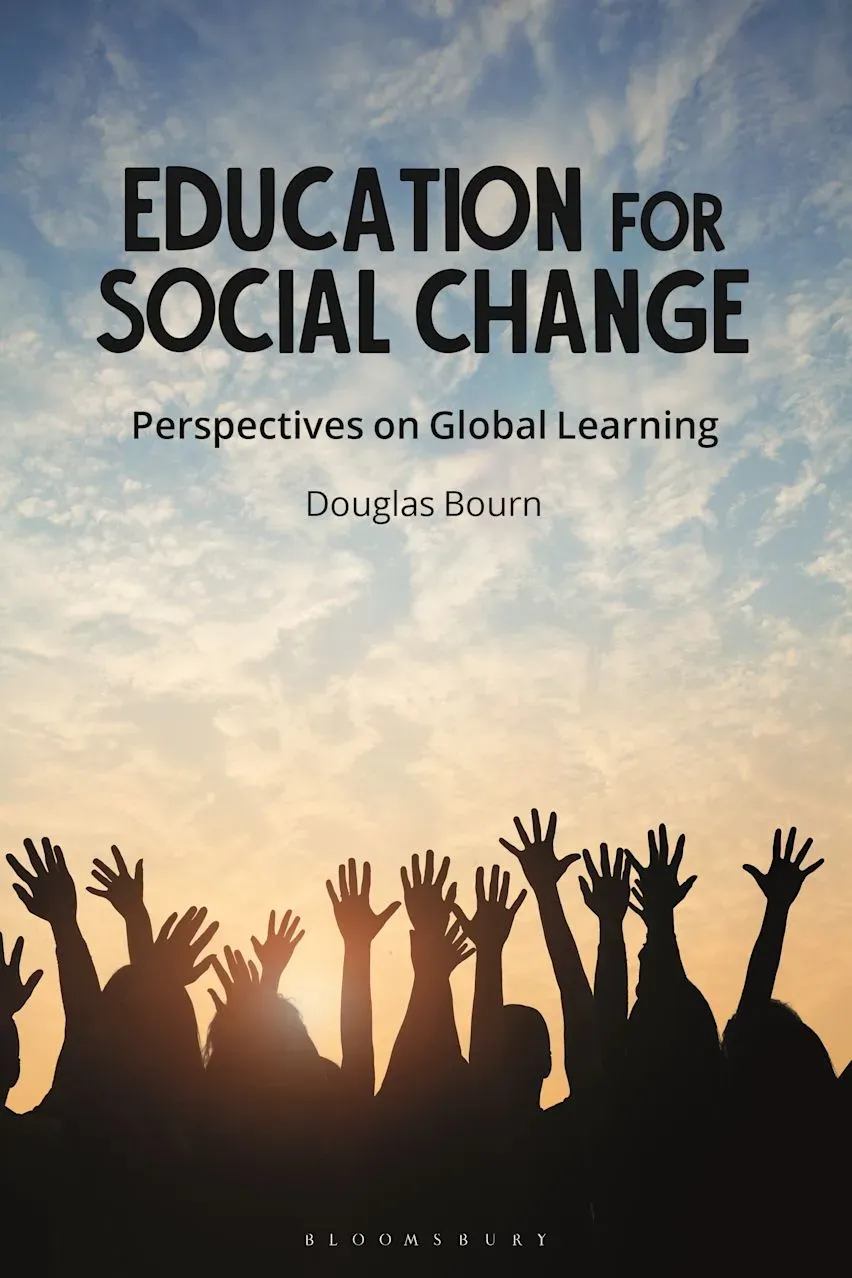
Education for Social Change is a dynamic framework that reframes learning as a catalyst for community growth, resilience, and shared opportunity, inviting students, families, teachers, and local organizations to see education not as a disciplinary endpoint but as a living system that supports, critiques, and reshapes the world around them.It asks educators to design curricula and classroom experiences that respond to local histories, current challenges, and future aspirations, so that knowledge becomes usable, inclusive, and capable of supporting everyday decision-making in neighborhoods and cities.

Education policy reform: Demystifying school changes

Education policy reform: Demystifying school changes

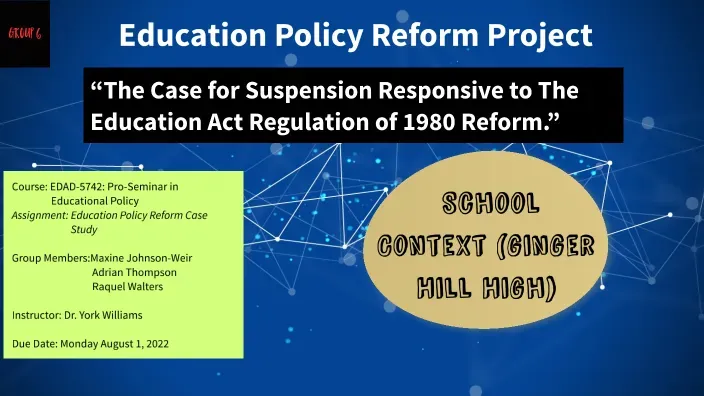
Education policy reform is reshaping classrooms across districts by aligning funding, standards, and governance with student outcomes, while inviting communities to contribute to shared accountability.This descriptive overview explains how governance, funding, curriculum, and accountability interact, helping educators, parents, and policymakers anticipate what changes mean for daily teaching and learning, and measurement systems that can adapt to varied school contexts.

Education Technology Toolkit: Apps Transforming Classrooms

Education Technology Toolkit: Apps Transforming Classrooms

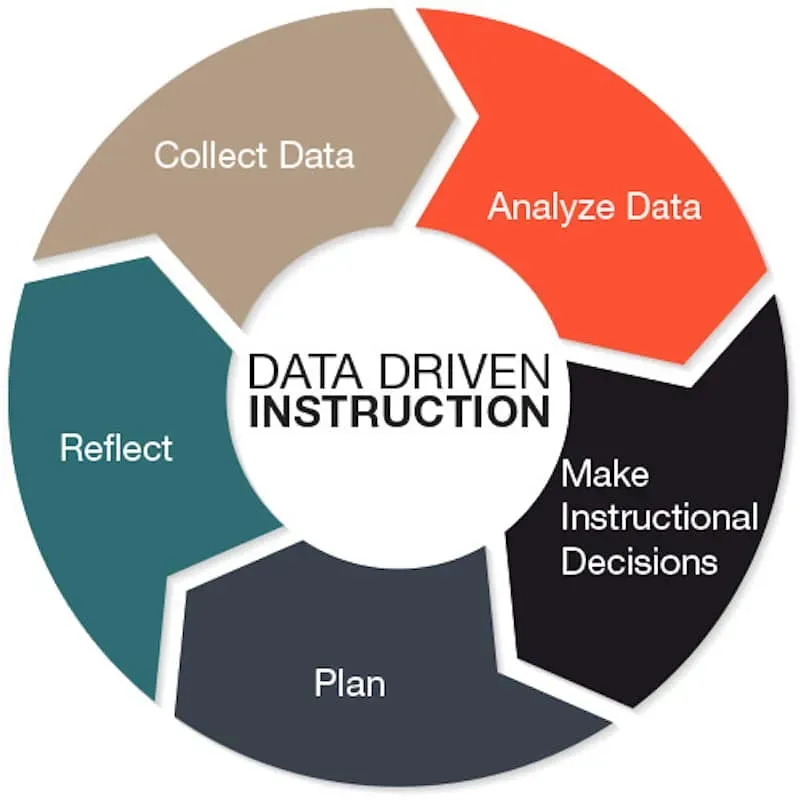
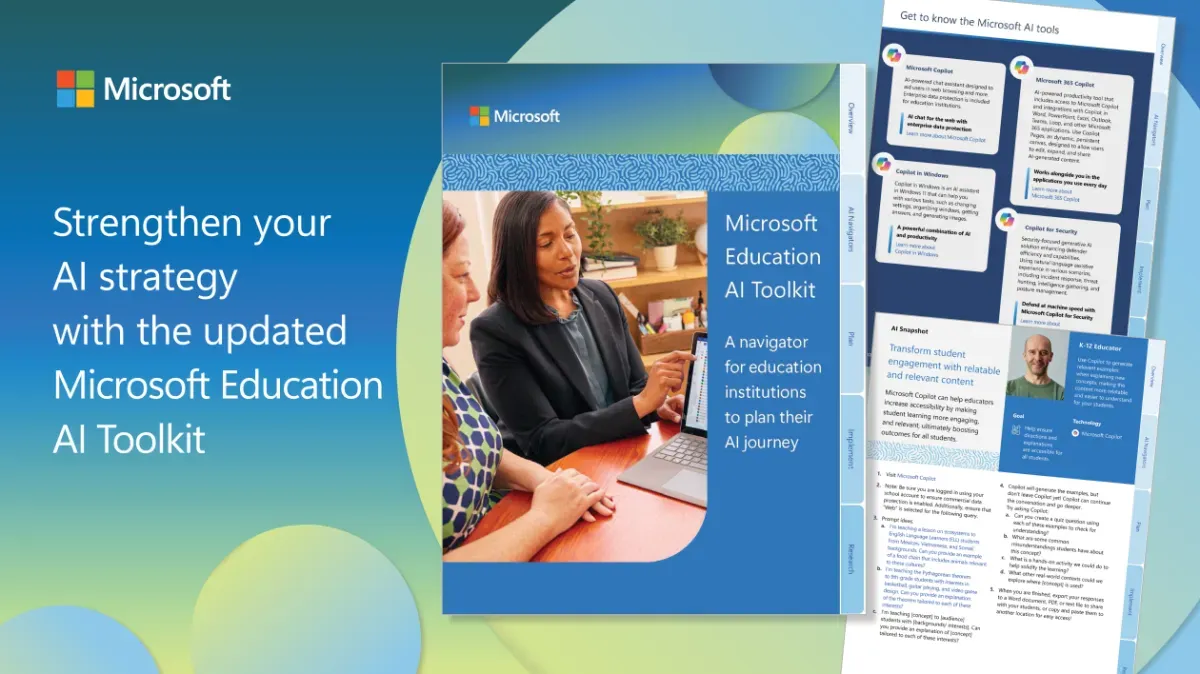
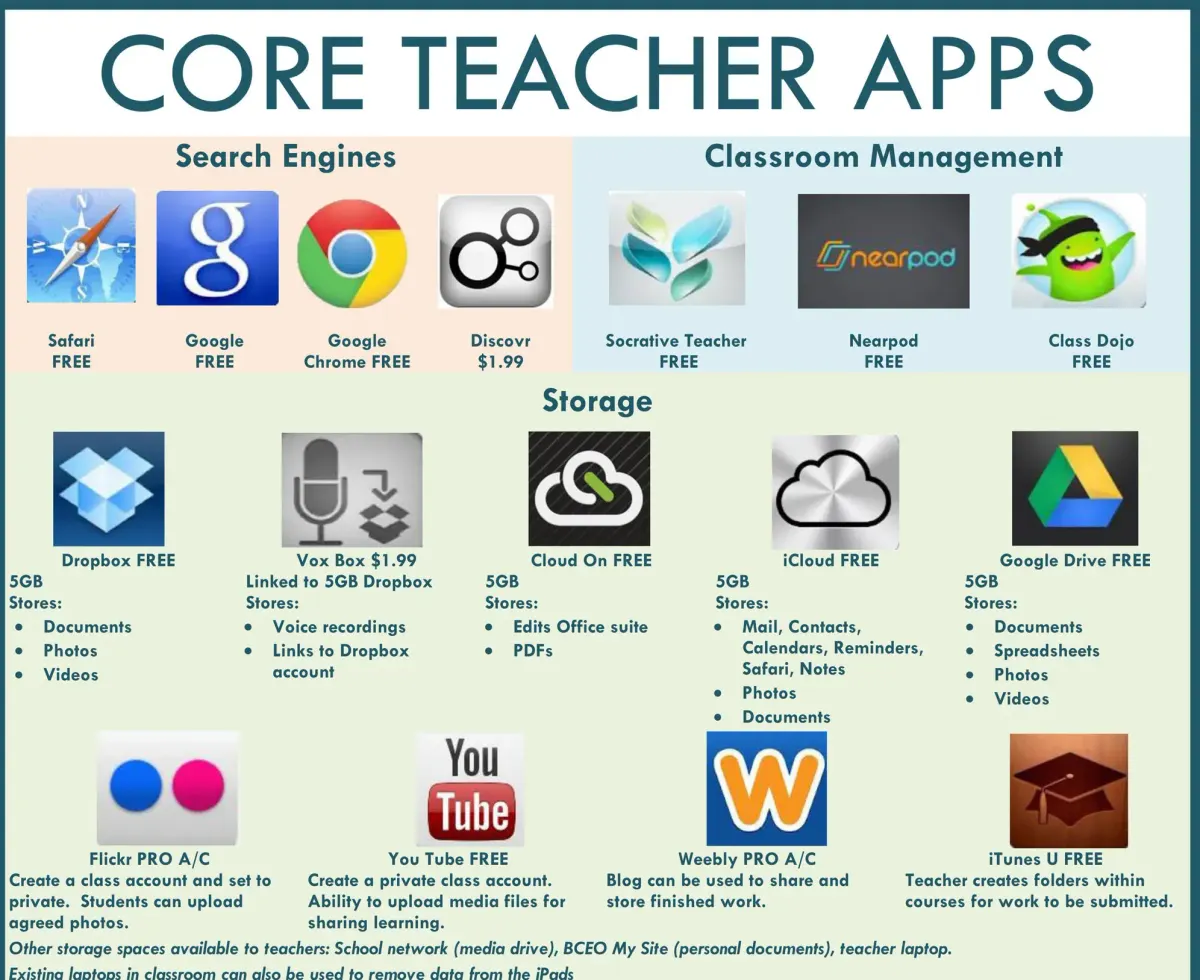
Education Technology Toolkit is reshaping how classrooms deliver personalized learning, enabling teachers to blend content with interactive apps and data-driven insights that adapt to student pace, interests, and background.This curated collection of edtech apps for classrooms helps teachers tailor instruction, measure progress in real time, and foster collaboration across devices, while supporting inclusive practices, multilingual access, and seamless cross-device sync, including case studies, scalable templates for lesson design, and parent communication features.

Equity in Education: Closing Gaps, Raising Outcomes for All

Equity in Education: Closing Gaps, Raising Outcomes for All

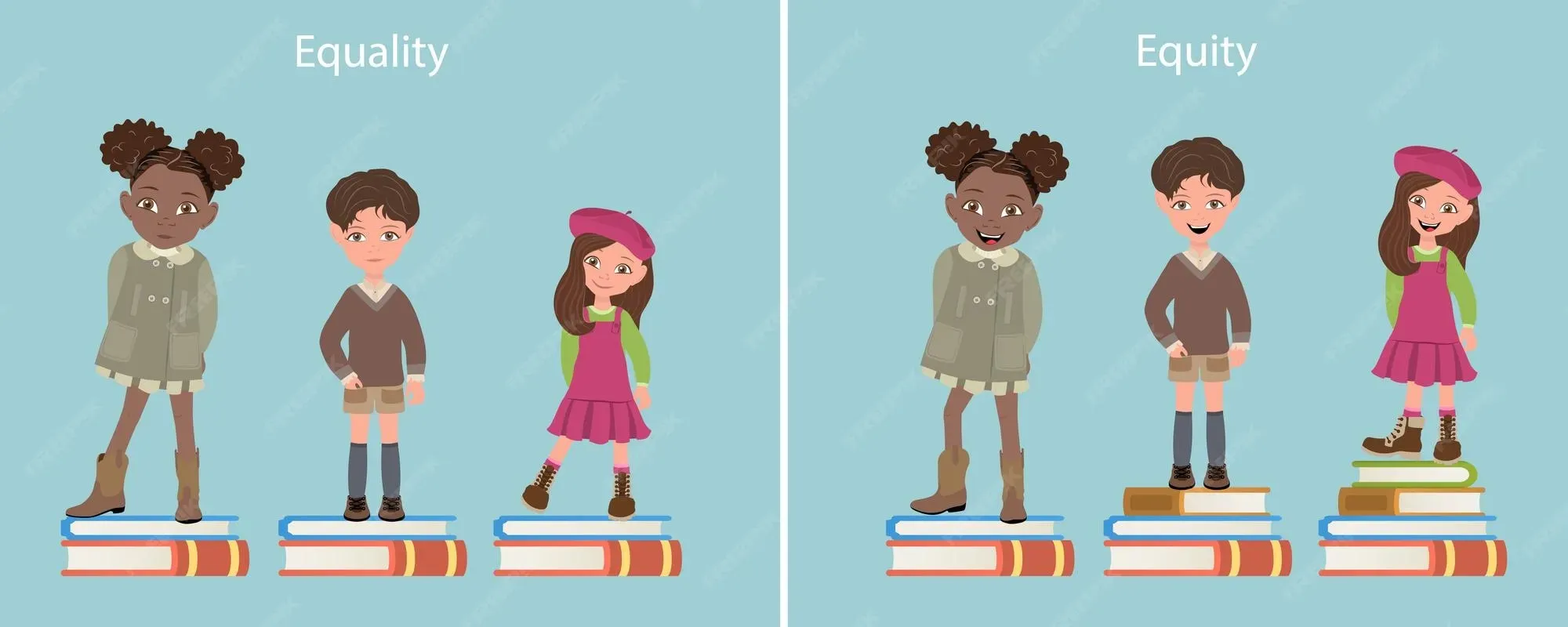
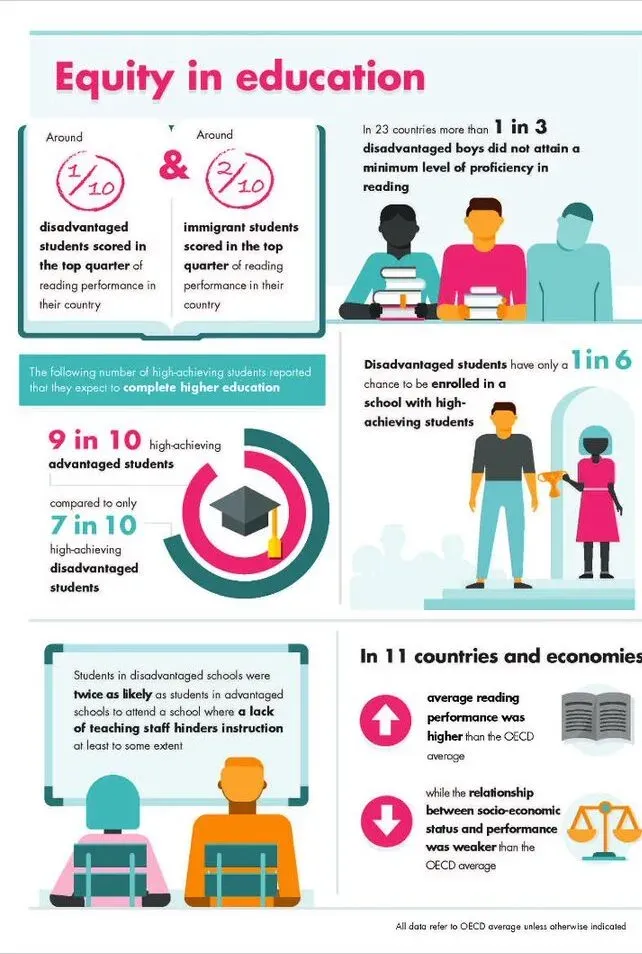
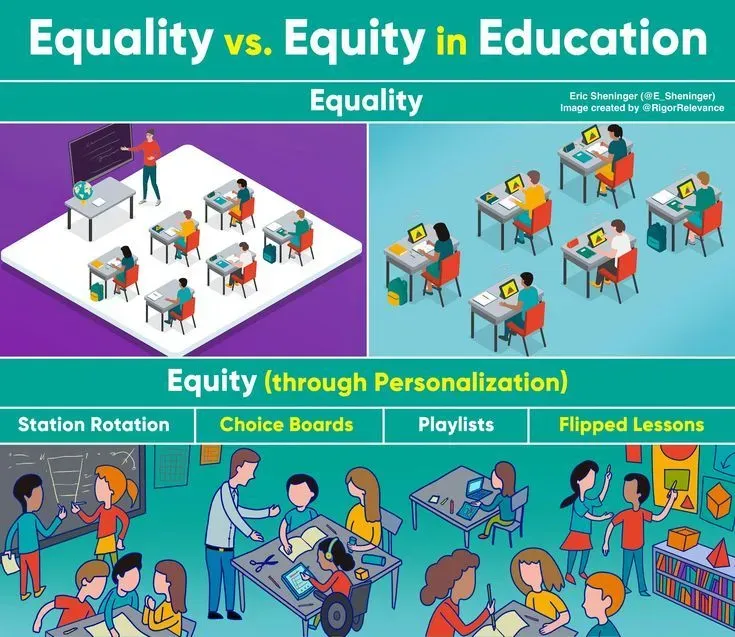
Equity in Education is not just a policy slogan; it represents a practical, evidence-based approach to shaping learning environments where every student has what they need to succeed, support from families, and the community backing their progress.When we talk about equity, we focus as much on outcomes as opportunities, aiming to narrow gaps rather than provide one-size-fits-all resources, with accountability guiding progress.

Education in the Digital Age: Trends Shaping 2025 Learning

Education in the Digital Age: Trends Shaping 2025 Learning

Education in the Digital Age is redefining how students learn, teachers teach, and institutions design pathways that blend curiosity with data-driven insight, enabling more flexible routines, richer feedback loops, and a clearer focus on outcomes that matter to diverse communities around the world, from bustling cities to rural classrooms, including strategies that meet learners where they are, celebrate multilingual and culturally diverse perspectives, and connect classroom practice to real-world problem solving.From virtual classrooms to adaptive platforms, the landscape stretches across K-12, higher education, and corporate learning, inviting bold experimentation with digital learning trends 2025, AI in education, and edtech innovations that merge content, assessment, and collaboration in interoperable ecosystems, supported by cloud-based tools and cross-device continuity, and this emphasis is complemented by ongoing research, cross-sector partnerships, and student voice shaping what counts as success.

Education Equity Strategies That Work in Schools Today

Education Equity Strategies That Work in Schools Today

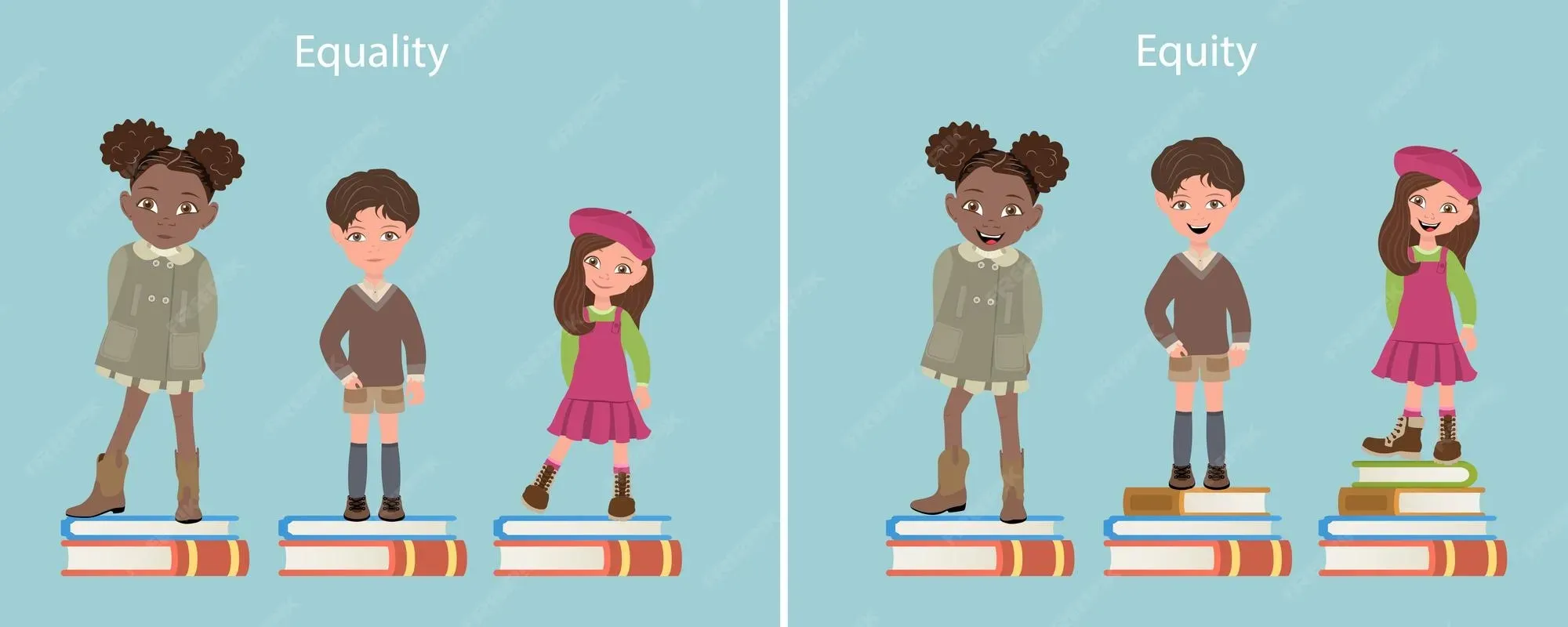
Education Equity Strategies guide how schools rethink policies, allocate resources, and partner with families to ensure every learner has a fair opportunity to succeed, regardless of background, language, or prior schooling, by promoting inclusive practices and accountable leadership across classrooms, schools, and districts.This approach starts with understanding diverse student needs, reducing barriers, and using data to guide decisions that support learning for all, while centering student voice and family perspectives in every policy choice.

Green Education: Transforming Schools with Sustainability

Green Education: Transforming Schools with Sustainability

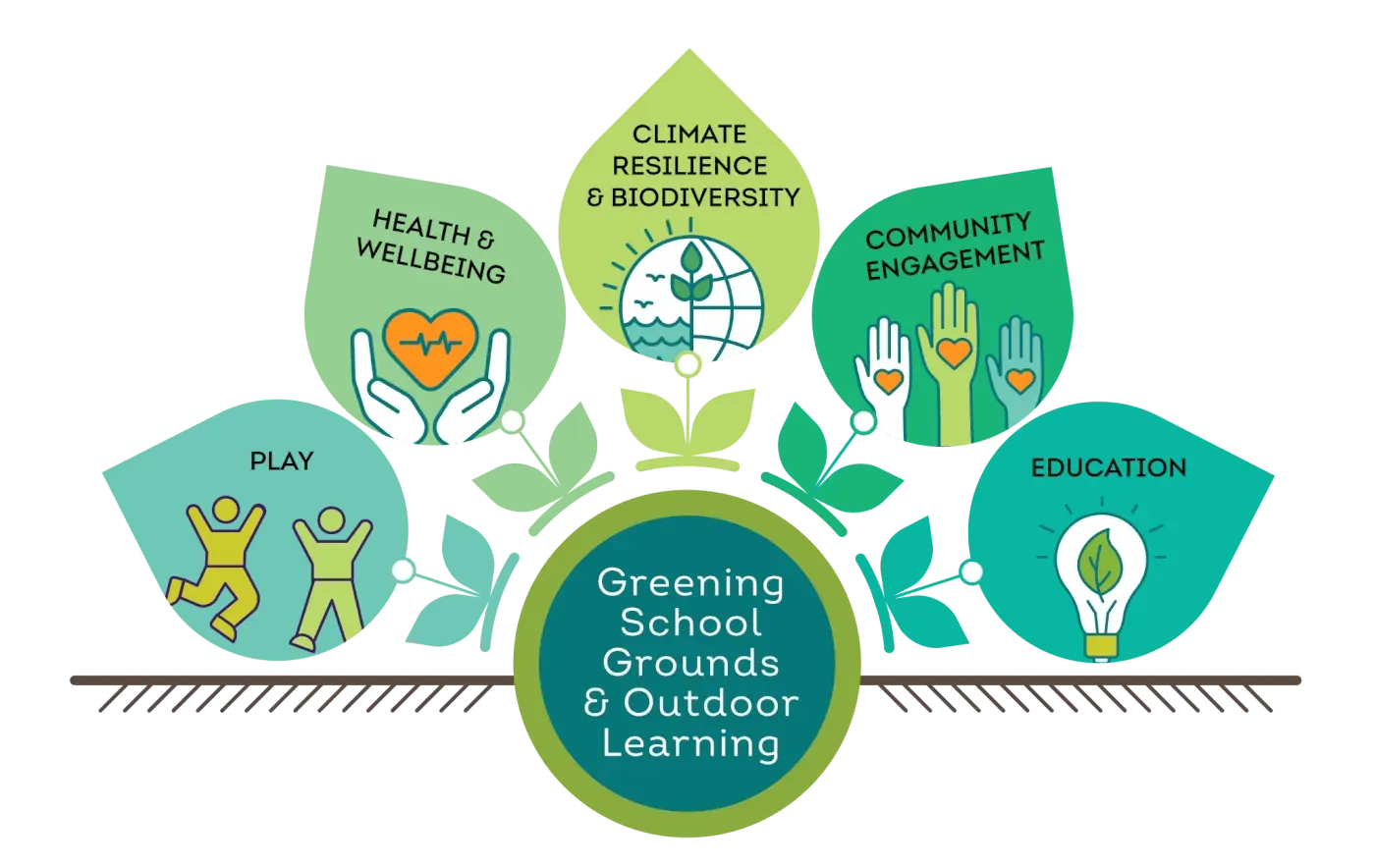
Green Education powers classrooms to become laboratories for curiosity, resilience, and a healthier planet, inviting students to ask bold questions, test ideas with hands-on projects, and see how local actions connect to global futures.When sustainability education is embedded in daily learning, students don't just memorize facts; they learn to investigate, collaborate, and design solutions that address real needs in their communities, from energy use to water quality.

Education Apps That Improve Learning: A Teacher's Guide

Education Apps That Improve Learning: A Teacher's Guide

Education Apps are reshaping classrooms by turning lessons into interactive, personalized experiences that spark curiosity, accommodate diverse learning paces, and provide students with meaningful, choice-driven paths to mastery.From adaptive practice to streamlined progress tracking, these platforms fuse rigorous content with intuitive design, helping teachers save time, differentiate instruction, and monitor growth without sacrificing engaging, student-centered learning.

Education apps and tools for teachers: must-try in 2025

Education apps and tools for teachers: must-try in 2025

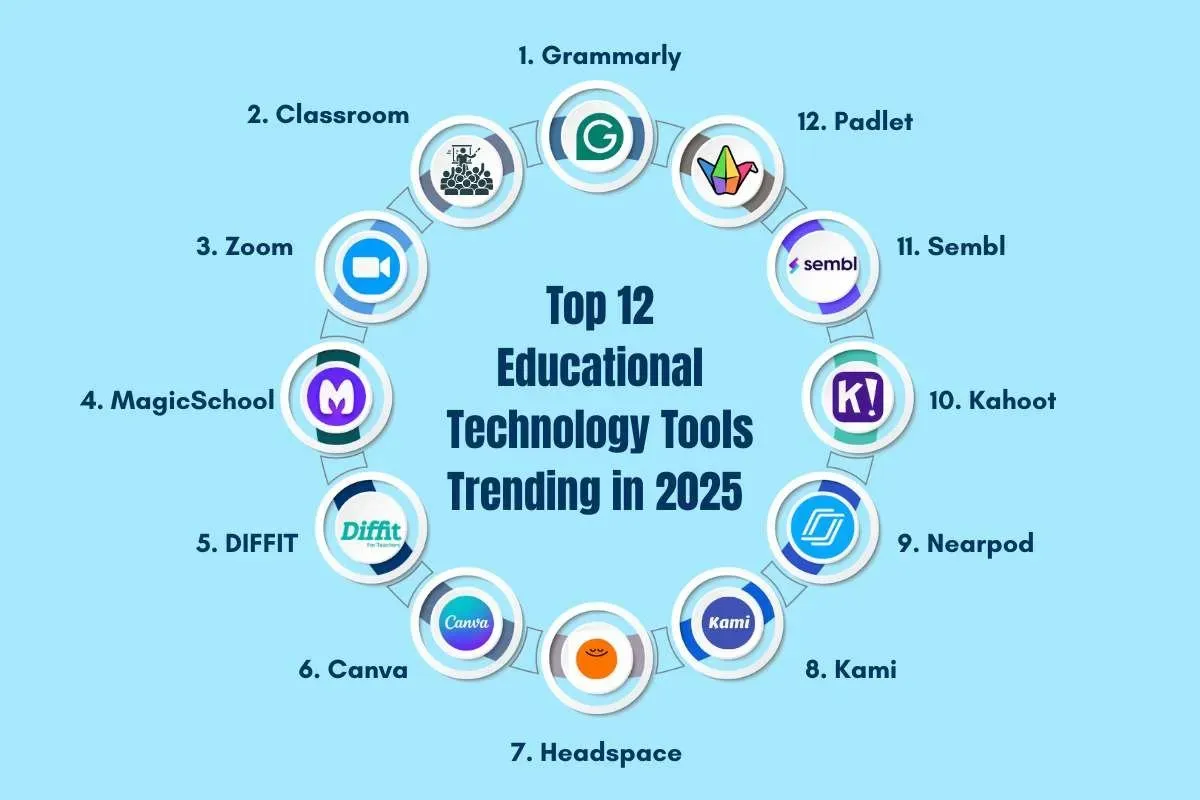
Education apps and tools for teachers are reshaping how classrooms operate in the 21st century, turning learning into more than a static delivery of content by offering adaptive activities, real-time feedback, data-informed adjustments, and a framework for personalized learning that respects diverse abilities, while balancing innovation with equity so every student can participate meaningfully.From the perspective of efficiency, education apps offer streamlined planning, automated reminders, and timely feedback, while edtech for classrooms opens new ways to present ideas, differentiate instruction across groups, integrate multimedia resources, monitor progress across devices and platforms, and ensure compatibility with school policies and infrastructure.

AI in Education: Opportunities, Risks, and Ethics in 2025

AI in Education: Opportunities, Risks, and Ethics in 2025

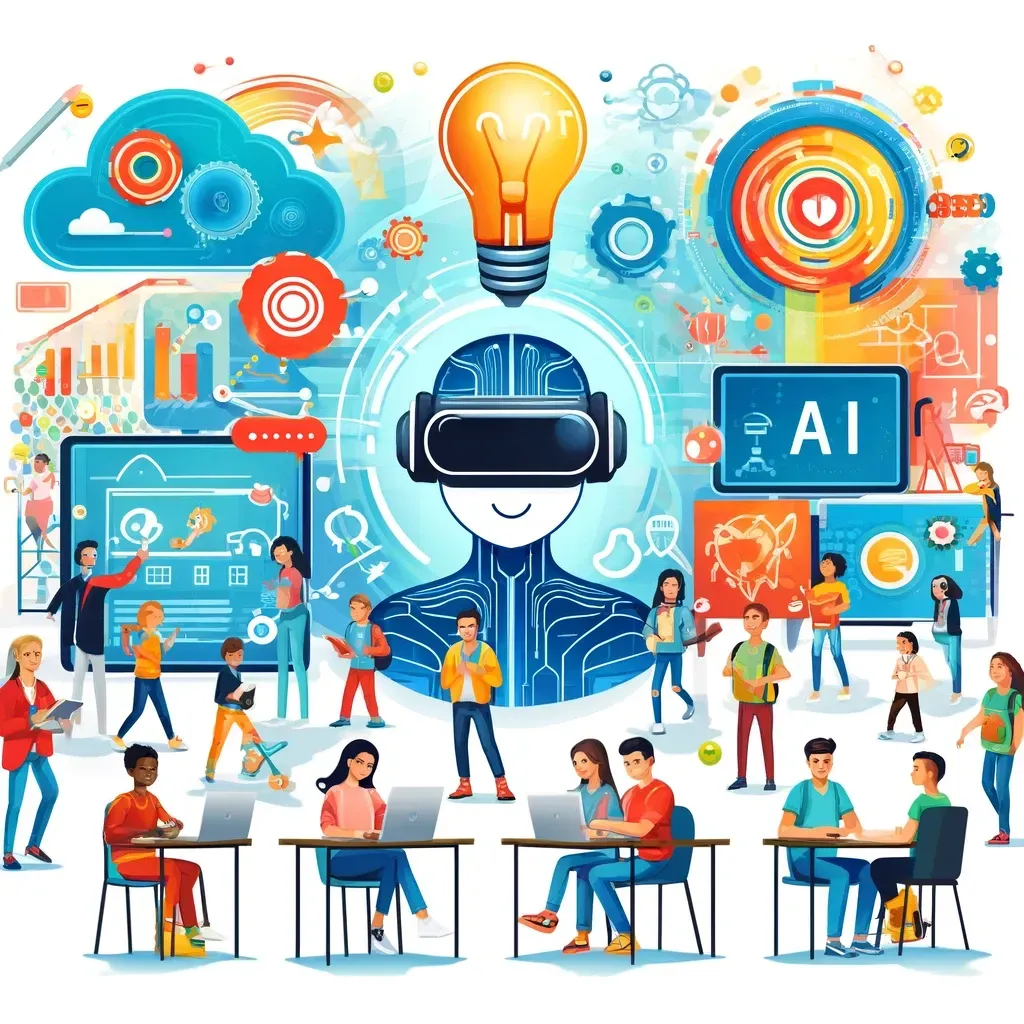
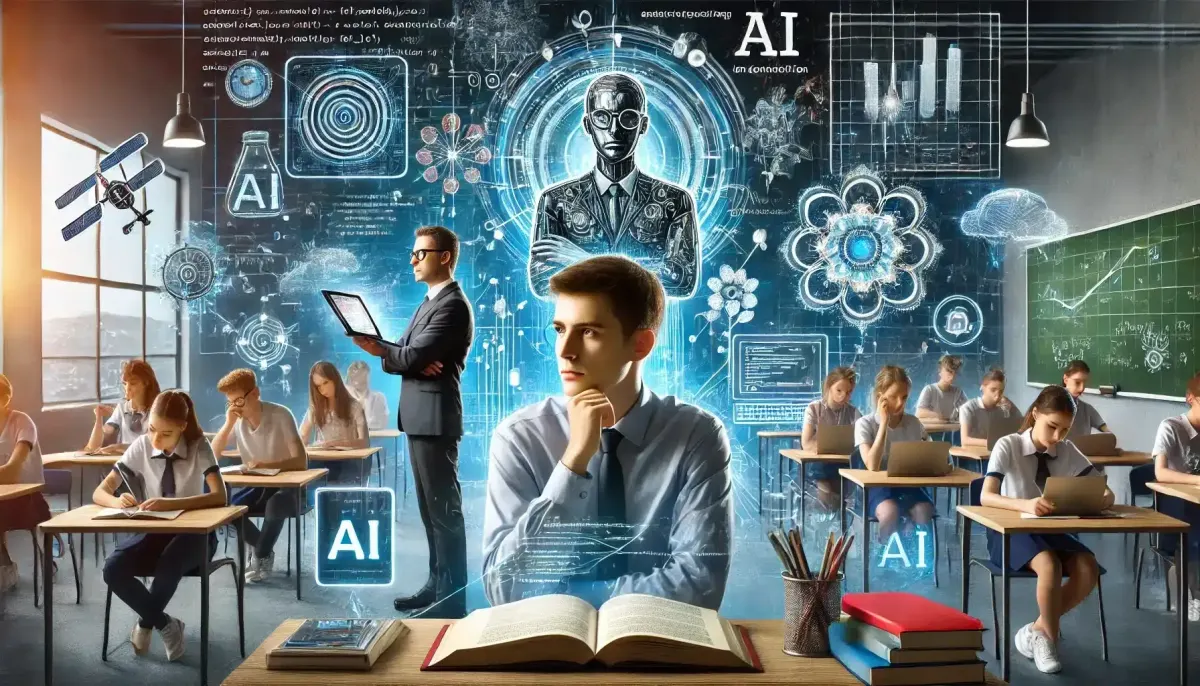
AI in Education is reshaping how we teach, learn, and assess knowledge across classrooms, campuses, and lifelong learning environments, catalyzing a shift from one-size-fits-all delivery to personalized pathways, data-informed decision making, proactive supports, and more resilient learning ecosystems that adapt to the pace, interests, and challenges of diverse students while also raising important questions about access, equity, professional development needs for teachers, and the social dimensions of learning in a rapidly changing informational landscape.As schools, universities, and training programs increasingly rely on intelligent systems, educators gain access to tools that can tailor content and pacing, identify misconceptions early, automate routine tasks, and provide scalable feedback, while robust safeguards—especially around data privacy in education—help maintain trust, support informed consent, and protect students’ rights in an era of pervasive data collection, surveillance concerns, and evolving regulatory standards.

Online Education: Platforms, Tools, and Best Practices

Online Education: Platforms, Tools, and Best Practices

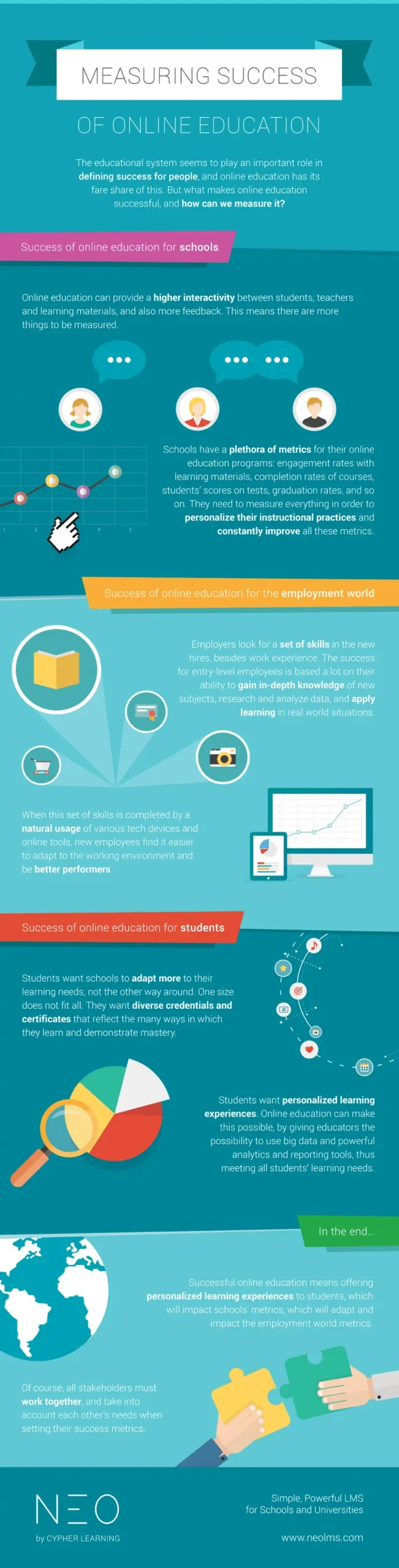
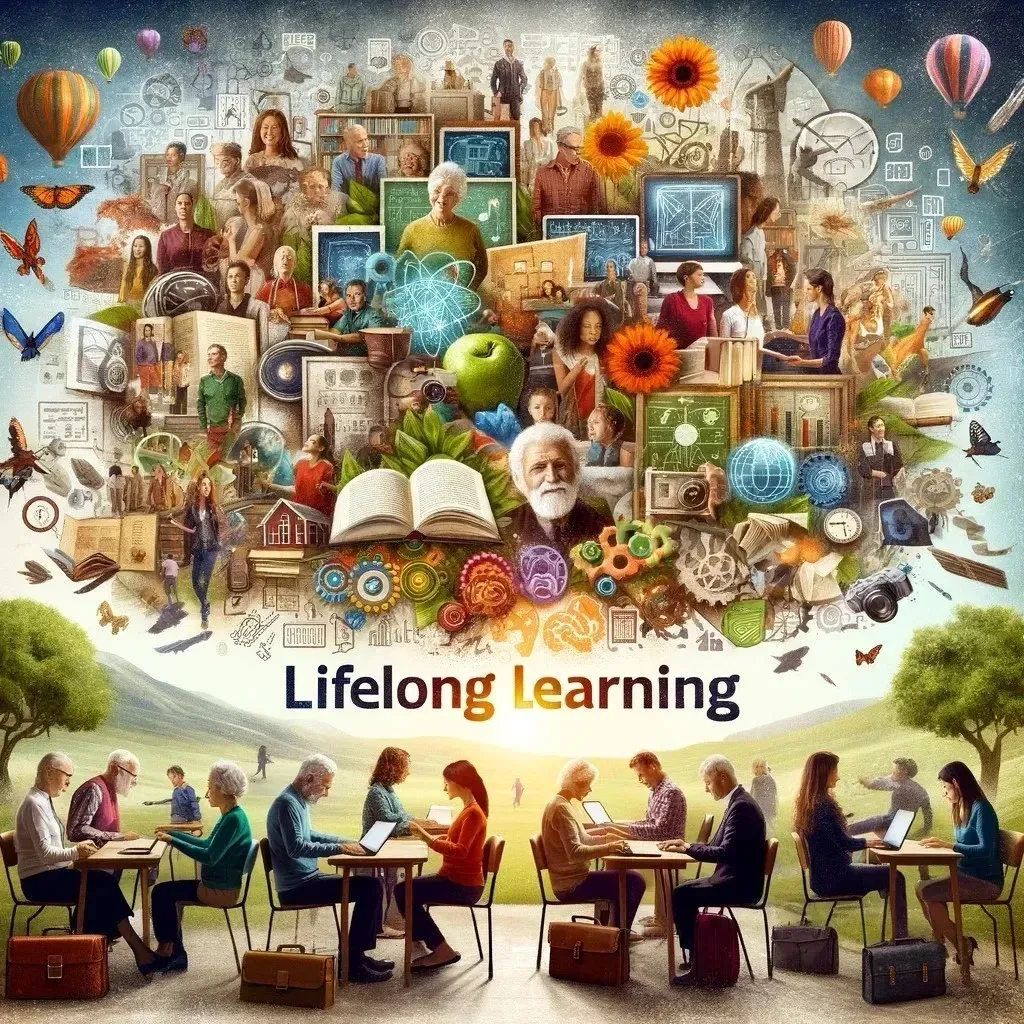
Online Education has transformed the learning landscape by making knowledge accessible anytime, anywhere, and aligned with diverse goals, from credentialing to personal growth, while inviting educators to rethink assessment; this shift also expands opportunities for collaboration across time zones and disciplines, enabling flexible career paths for people balancing work, family, and study.For students, professionals, and lifelong learners alike, it blends flexible pacing with accountability, enabling collaboration and motivation within dynamic virtual classrooms, and it rewards curiosity through modular content, mobile access, and peer support; through project work, real-world simulations, and reflective exercises that deepen understanding across contexts, enriching learning cultures by welcoming diverse perspectives, encouraging mentor relationships, and supporting ongoing professional learning.