
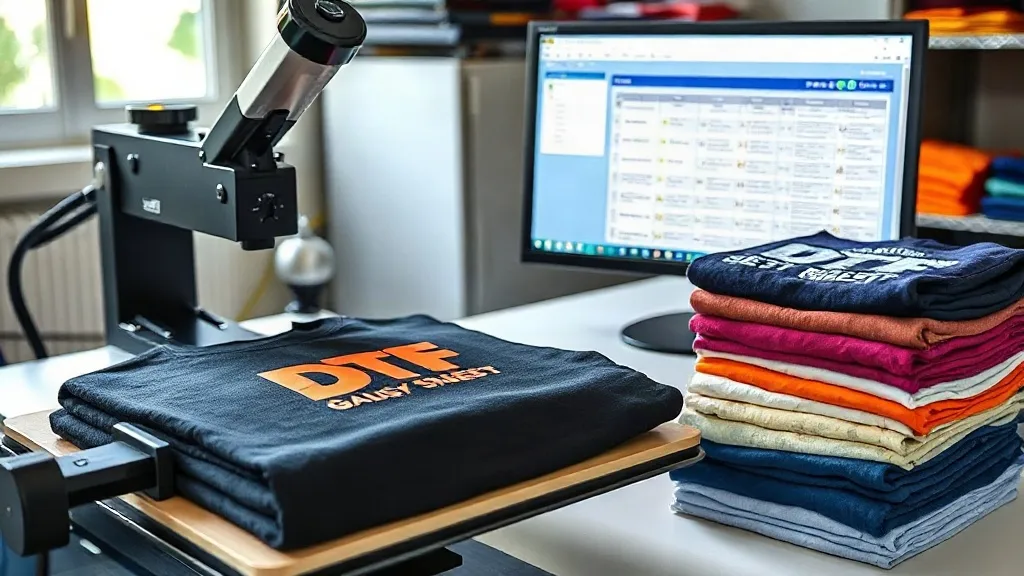
When you run a print shop, every decision about blanks and decoration methods affects your bottom line. You want garments that customers love, a production process that runs smoothly, and costs that leave room for profit. In this article, we'll explore how pairing shaka wear blanks with a smart DTF Gangsheet Builder can create a winning formula for your business. Whether you're new to DTF or looking to optimize your existing setup, this guide will give you practical insights to make better choices.
The Rise of Shaka Wear: Quality Blanks That Customers Notice
Shaka Wear has carved out a reputation for producing high-quality, streetwear-inspired blanks that appeal to a wide range of customers. Their garments are known for their soft hand feel, durable construction, and modern fits that work well for both retail and promotional markets. If you're not familiar with the brand, shaka wear offers a variety of styles including t-shirts, hoodies, and sweatpants that are popular among skate shops, streetwear brands, and custom apparel businesses.
What sets Shaka Wear apart is the attention to detail in their fabrics and stitching. Many of their pieces are made from heavyweight cotton or cotton blends that hold up well to repeated washing and wear. This durability is crucial when you're applying DTF transfers because the garment needs to withstand the heat press process and still maintain its shape and comfort. Additionally, the brand's consistent sizing and color accuracy make it easier for you to plan your production runs and deliver consistent results to your customers.
From a business perspective, Shaka Wear blanks are competitively priced, allowing you to offer premium-feeling products without pricing yourself out of the market. Their popularity also means that your finished products will have a perceived value that can justify higher retail prices. When you combine that with efficient production methods, you set the stage for healthy margins.
DTF Printing: A Game-Changer for Custom Apparel
Direct-to-Film (DTF) printing has revolutionized the custom apparel industry by enabling vibrant, full-color designs on a wide range of fabrics without the need for pre-treatment or specialized equipment. The process involves printing your design onto a special film, applying a powder adhesive, and then heat-pressing the transfer onto the garment. The result is a soft, durable print that can stretch with the fabric and withstand repeated washing.
One of the biggest advantages of DTF is its versatility. Unlike screen printing, which requires separate screens for each color and can be cost-prohibitive for small runs, DTF allows you to print complex, multi-color designs in a single pass. This makes it ideal for small businesses, on-demand printing, and personalized orders. DTF also works well on dark and light fabrics, as well as materials like polyester and blends that can be tricky with other methods.
However, to maximize the benefits of DTF, you need an efficient workflow. That's where the concept of gangsheets comes in. A gangsheet is a large sheet of film that contains multiple designs arranged tightly together to minimize waste. By optimizing the layout, you can significantly reduce film and powder consumption, which directly lowers your cost per print. But manually creating gangsheets can be time-consuming and prone to errors. This is where a DTF Gangsheet Builder becomes invaluable.
What Is a DTF Gangsheet Builder and Why You Need One
A DTF Gangsheet Builder is a software tool that helps you automatically arrange multiple designs onto a single sheet for DTF printing. It takes the guesswork out of nesting and layout, ensuring that you use every inch of film efficiently. With a DTF Gangsheet Builder, you can upload your designs, set the dimensions of your film, and let the tool optimize the placement. The result is a print-ready gangsheet that minimizes waste and maximizes productivity.
But the benefits go beyond just saving film. A good gangsheet builder can also help you:
- Reduce labor time spent on manual layout
- Decrease errors and reprints
- Improve turnaround times for orders
- Lower powder consumption by avoiding over-spray
- Scale your production without adding staff
For print shops that handle a high volume of small to medium-sized orders, a gangsheet builder can be a game-changer. It allows you to batch multiple jobs together, which is especially useful for recurring clients or when you need to fulfill many small orders quickly. By combining orders onto a single gangsheet, you also reduce the number of press cycles, which saves time and energy.
Key Features to Look for in a Gangsheet Builder
Not all gangsheet builders are created equal. When choosing a tool, consider the following features:
- Automatic nesting: The ability to automatically arrange designs for optimal use of space.
- Custom sheet sizes: Support for various film widths and lengths to match your printer's capabilities.
- Design library: A place to store and reuse designs for future orders.
- Integration with e-commerce: If you sell online, look for tools that can pull orders directly from your store.
- User-friendly interface: A clean, intuitive layout that reduces training time.
Investing in a robust gangsheet builder can pay for itself quickly through material savings and increased throughput. It's a small investment that yields significant returns.
Maximizing Profits: Combining Shaka Wear and DTF Gangsheets
Now that we understand the strengths of Shaka Wear blanks and the efficiency of a DTF Gangsheet Builder, let's look at how to combine them for maximum profitability. The key is to streamline your workflow from order intake to finished product.
Step 1: Choose the Right Blanks for Your Market
Shaka Wear offers a range of styles and colors that appeal to different customer segments. For streetwear brands, their heavyweight tees and hoodies are ideal. For promotional products, their lighter-weight options might be more suitable. By stocking a curated selection of Shaka Wear blanks, you can cater to various needs without overcomplicating your inventory. Their consistent quality also means fewer customer complaints and returns, which protects your margins.
Step 2: Optimize Your Gangsheets
Using a DTF Gangsheet Builder, you can combine designs from multiple orders onto a single sheet. This is particularly effective when you have orders that use the same garment style and color. For example, if you have several customers ordering custom t-shirts in the same Shaka Wear style, you can gang all those designs together and press them in one batch. This reduces setup time and material waste.
Moreover, you can use the builder to nest designs of varying sizes to fill every gap. The software will rotate and reposition elements to ensure minimal unused space. Over time, this practice can cut your film costs by 20-30%, which directly boosts your profit per print.
Step 3: Standardize Your Pressing Process
With Shaka Wear blanks, you'll want to dial in your heat press settings for consistent results. Each fabric type may require slightly different temperature, pressure, and time. Create a reference chart for your team so that everyone follows the same procedure. This consistency reduces errors and ensures that every print adheres properly. Remember that DTF transfers work best when the garment is properly prepared, so pre-press the garment to remove moisture and wrinkles.
Step 4: Market Your Capabilities
Once you've optimized your production, you can market your shop's ability to handle small runs, complex designs, and quick turnarounds. Customers appreciate speed and quality, and by using Shaka Wear blanks, you can offer premium products that stand out. Highlight the fact that you use top-quality blanks and advanced DTF technology to deliver superior results. This can justify higher prices and attract loyal customers.
Common Pitfalls to Avoid
Even with the best tools, there are mistakes that can eat into your profits. Here are a few to watch out for:
- Overfilling gangsheets: While you want to maximize space, leaving a small margin around each design is necessary for clean cutting and pressing. Avoid placing designs too close to the edge.
- Ignoring fabric compatibility: Not all Shaka Wear blanks are the same. Some may have finishes that affect adhesion. Always test a small sample before running a full batch.
- Skipping quality checks: Inspect each transfer after pressing for proper adhesion and appearance. Catching issues early prevents wasted materials and customer dissatisfaction.
- Neglecting maintenance: Keep your printer and press well-maintained to avoid downtime and costly repairs.
By being aware of these pitfalls, you can avoid common mistakes and keep your operation running smoothly.
Frequently Asked Questions
What makes Shaka Wear blanks a good choice for DTF printing?
Shaka Wear blanks are made from high-quality fabrics that withstand the heat press process well. Their cotton and cotton-blend garments provide a smooth surface for DTF transfers, ensuring good adhesion and durability. Additionally, their popular styles and fits appeal to a wide customer base, helping you sell more.
How does a DTF Gangsheet Builder reduce costs?
A DTF Gangsheet Builder optimizes the layout of designs on a sheet of film, minimizing wasted space. This reduces the amount of film and powder used per print, which directly lowers your material costs. It also saves time by automating the nesting process, allowing you to produce more in less time.
Can I use a DTF Gangsheet Builder for small orders?
Absolutely. In fact, gangsheet builders are especially beneficial for small orders because they allow you to combine multiple small jobs onto one sheet. This makes small runs more profitable and reduces waste.
What are the key factors for successful DTF transfers on Shaka Wear garments?
Proper heat press settings (temperature, pressure, and time), pre-pressing the garment to remove moisture, and using high-quality DTF film and powder are essential. Also, ensure that the garment is clean and free of wrinkles before pressing. Following the manufacturer's recommendations for both the blanks and the transfer materials will yield the best results.
How can I integrate a DTF Gangsheet Builder into my existing workflow?
Most gangsheet builders are cloud-based and can be accessed from any computer. You can start by uploading your designs and setting your film dimensions. The tool will guide you through the nesting process. Many builders also offer integrations with e-commerce platforms, allowing you to import orders directly. Training your staff on the software is usually straightforward, and the time savings will quickly become apparent.