
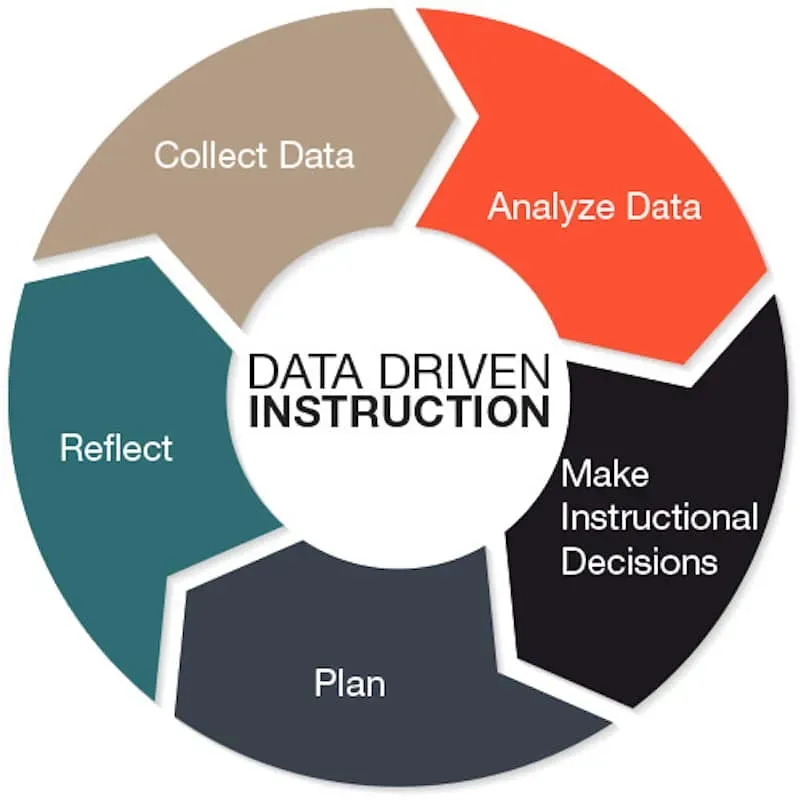
Data-Driven Education is reshaping classrooms worldwide, turning numbers into actionable insights that help teachers tailor instruction to each student. By focusing on data-informed practices and thoughtful measurement, schools can move beyond one-size-fits-all approaches. This shift supports strategies that honor individual pacing, strengths, and needs while maintaining high expectations. With attention to data quality and privacy, educators translate insights into practical, classroom-ready actions. In this way, data becomes a companion to teacher expertise, guiding ongoing growth and improved outcomes for learners.
In more descriptive terms, this movement translates into data-informed education where evidence from assessments, platforms, and interactions guides teaching choices. As schools adopt adaptive learning and personalized learning pathways, educators leverage educational data to tailor pacing and resources to individual learners. Practices rooted in data-driven instruction translate insights into concrete decisions about grouping, feedback, and curriculum adjustments. When combined with governance, privacy safeguards, and ongoing professional development, these analytics-informed approaches can improve equity and outcomes at scale.
Data-Driven Education: Leveraging Learning Analytics for Personalized Learning
Data-Driven Education empowers teachers to move beyond one-size-fits-all approaches by translating educational data into actionable insights. By analyzing learning analytics from assessments, digital platforms, and classroom interactions, educators can identify where a student excels or struggles and adjust instruction accordingly. This approach helps tailor content, pacing, and supports to individual learners, enabling more effective personalized learning while prioritizing student privacy.
Implementing data-driven instruction requires trustworthy data governance, clear success metrics, and interoperable systems. Schools should curate high-quality educational data, ensure transparent data usage, and design dashboards that translate analytics into practical teaching moves. When teachers receive timely feedback from analytics, they can deploy targeted interventions and differentiated feedback that align with students' needs and promote continuous growth.
Adaptive Learning and Data-Driven Instruction: Turning Educational Data into Real-Time Support
Adaptive learning works hand in hand with learning analytics to adjust content, pacing, and path automatically in response to a student’s demonstrated understanding. With robust analytics, adaptive pathways can raise or lower difficulty, switch resources, or present alternative explanations so each learner faces an appropriate challenge, accelerating mastery and sustaining motivation.
Educational data powers these adaptive systems, while teachers provide guidance, context, and human oversight. Effective implementation combines automated adaptation with data-driven instruction to ensure equity and alignment with standards. Schools should monitor for bias, validate recommendations with classroom observations, and share progress with students and families to support transparency and trust.
Frequently Asked Questions
What is Data-Driven Education, and how do learning analytics and personalized learning work together to tailor instruction?
Data-Driven Education uses educational data from assessments and classroom interactions to guide teaching. Learning analytics analyze this data to reveal patterns in understanding and pacing. When combined with personalized learning, these insights tailor content, pace, and supports to individual students, with adaptive learning systems adjusting difficulty based on progress.
How can schools implement data-driven instruction within Data-Driven Education while safeguarding educational data privacy?
In a Data-Driven Education framework, begin with governance, clear goals, and a plan for using educational data to improve outcomes. Focus on data quality and interoperability to ensure reliable insights, and apply privacy-by-design to protect student information and minimize risks. Create actionable dashboards for teachers, provide professional development, and communicate with families about how analytics guide instruction and privacy safeguards.
| Key Topic | Key Points |
|---|---|
| Overview | Data-Driven Education reshapes classrooms around the world by turning raw numbers into actionable insights that help teachers tailor instruction to each student. By leveraging learning analytics and carefully collected educational data, schools can move beyond one-size-fits-all approaches and embrace strategies that meet learners where they are. |
| Core concepts | - Learning analytics: collection, analysis, and interpretation of learning-related data to improve outcomes; reveals patterns such as concepts students struggle with, engagement, and pacing; guides timely interventions. - Personalized learning: tailoring content, pacing, and supports to individual learners; offers multiple pathways and resources; uses data to determine readiness to advance or need for remediation. - Data-driven instruction: applying insights from data to daily teaching decisions; adjusts groups, strategies, and feedback; creates a cycle of assessment, analysis, planning, and refinement. |
| Analytics fuel personalized learning and adaptive pathways | Analytics enable real-time adaptive pathways that respond to progress. Dashboards can highlight groups or individuals who struggle with a standard, prompting targeted mini-lessons, extra practice, or alternate representations until mastery. Adaptive learning systems automatically adjust content difficulty and sequence, and when guided by teachers, free educators to focus on higher-order tasks while ensuring foundational skills are solid. The combination supports an optimal challenge point for each learner. |
| Data quality and privacy | Data quality matters: accuracy, consistency, timeliness, and completeness. Poor data quality can lead to incorrect inferences and wasted instructional time. Data governance defines what data are collected, how they are stored, who can access them, and how they are used for improvement. Privacy by design means limiting data collection, securing data, and obtaining appropriate consent when required; transparency and ethical handling of data are essential. |
| Practical steps to implement | 1) Align goals with outcomes: identify clear learning outcomes and success metrics; determine which data will inform progress and how analytics will guide decisions. 2) Build a robust data infrastructure: invest in interoperable systems; central dashboards help monitor progress. 3) Create actionable dashboards for teachers: translate data into practical insights with visual indicators for quick action. 4) Establish governance and ethical guidelines: define data access, retention, and privacy safeguards; address bias and unintended consequences. 5) Invest in professional development: build teacher skills to interpret data and communicate progress. 6) Pilot, evaluate, and scale thoughtfully: start small, measure impact, refine, and expand. 7) Engage students and families: share insights in accessible ways and support goal setting and reflection. |
| Benefits and challenges | Benefits: clearer view of each learner’s journey; timely supports; more relevant lessons and feedback; learner agency; administrators can identify gaps and allocate resources. Challenges: data quality and interoperability; risk of shallow analysis or overreliance on tests; potential bias in data or algorithms; need for privacy, consent, and transparency. |
| Case examples | Across districts and universities, data-driven approaches paired with strong pedagogy show improvements. Dashboards help math teachers identify students who miss foundational steps for targeted tutoring; adaptive pathways in language programs offer differentiated practice aligned with standards. Experiences vary by context, but data becomes a tool for informed decision-making rather than mere accountability. |
Summary