
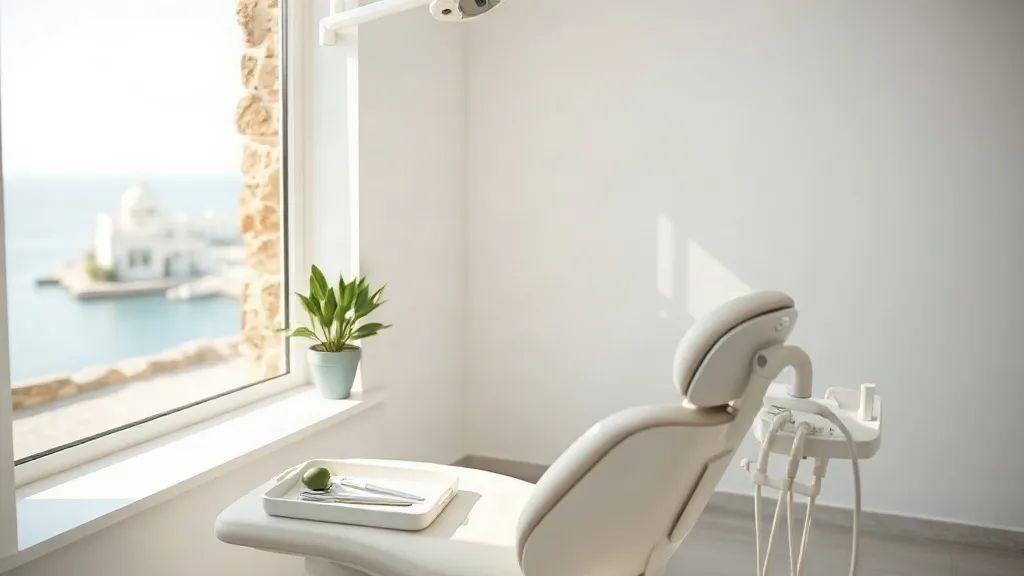
You arrive in Gumbet with a suitcase, a sun hat, and a molar that has been complaining quietly for three weeks. Or maybe nothing hurts at all, and you simply decided that a week by the Aegean is a good moment to finally deal with the crown you keep postponing at home. Either way, the question is the same: how do you pick a gumbet dentist you can trust when you are far from your usual clinic and your usual records?
This guide is written for travelers and part-time residents on the Bodrum peninsula. It covers what dental care in the area typically looks like, how to judge a clinic before you sit in the chair, how to plan treatment around your flight dates, and when it makes sense to look slightly further west toward a bitez dentist. Nothing here is a substitute for a real examination, but it should help you ask better questions and avoid the expensive mistakes.
Why Gumbet Attracts Dental Patients in the First Place
Gumbet is a compact resort area just south of Bodrum center, built around a long bay, a strip of hotels, and a nightlife scene that runs late. What surprises many visitors is how quickly the resort gives way to ordinary residential streets where people live year-round. That mix matters for dental care, because it means the clinics here are not purely seasonal operations serving tourists. Many serve local families through the winter and visiting patients through the summer.
Bodrum as a whole has a well-developed private healthcare sector, and dentistry is part of that. You will find small single-chair practices, multi-room clinics with digital imaging, and larger operations that market themselves to international patients. The range is wide, which is exactly why a little preparation pays off.
What a Typical Gumbet Dental Visit Involves
Most clinics in and around Gumbet follow a similar rhythm. Understanding it in advance removes a lot of the anxiety, especially if you are used to a different system at home.
First contact and booking
Many practices take appointments by WhatsApp or email and will ask for a photo of the problem area plus any recent X-rays you already have. Sending those in advance is genuinely useful. It lets the dentist tell you roughly how much chair time you need, which determines whether a treatment can realistically be finished before your return flight.
Examination and imaging
A proper first appointment starts with a visual examination, a conversation about your medical history, and imaging where it is clinically justified. Digital panoramic X-rays are common and quick. If a clinic proposes treatment without looking inside your mouth, that is a signal to slow down.
Treatment planning and cost
Ask for a written plan that separates what is urgent from what is elective. A good dentist will be willing to say, for example, that the infected tooth needs attention this week but the cosmetic work can wait until your next trip. Getting that distinction in writing protects you from pressure to accept a full-mouth package on day one.
How to Judge a Clinic Before You Book
Credentials are not decoration. In Turkey, dentists hold a diploma from a dental faculty and are registered with the relevant professional chamber. You can reasonably ask which university a dentist graduated from, how many years they have practiced, and whether they have taken postgraduate training in the specific procedure you need. A confident clinician answers these questions without irritation.
- Check sterilization visibly. Ask to see how instruments are processed. Pouches, autoclave logs, and single-use needles should be normal, not a special request.
- Look at the consultation, not the brochure. The quality of the first conversation predicts the quality of the treatment more reliably than the lobby furniture.
- Ask who does the work. In larger clinics, the person who examines you is not always the person who performs the procedure. Find out in advance.
- Request a treatment guarantee in writing. Many practices offer defined warranty periods on crowns, implants, and veneers. Get the terms on paper.
- Confirm the language of consent. You should sign a consent form you actually understand, not one you nod through.
Planning Treatment Around Your Holiday Dates
Time is the constraint that trips up most dental travelers. Some procedures fit neatly into a one-week stay, others do not, and a few require a healing period before the final step.
Realistic timelines
A cleaning, a filling, or an extraction usually fits comfortably into a short visit. A single crown often needs two appointments separated by several days, which works if your trip is at least a week long. Implants are the classic trap: the placement itself is quick, but the healing phase before the final crown is measured in months, not days. Clinics that promise a finished implant in four days are promising something biologically unrealistic.
Leave a buffer
Do not schedule a major procedure the day before your flight. Swelling, a temporary crown that needs adjusting, or simple fatigue are all easier to handle with a spare day in hand. Book your dental appointment early in the trip and keep the last two days free.
When a Bitez Dentist Might Be the Better Choice
Bitez sits a short drive west of Gumbet, quieter, greener, and popular with longer-stay visitors. If you are based on that side of the peninsula, or if you simply want a calmer setting for a multi-appointment treatment, a bitez dentist can be a practical alternative. The clinical standards are the same; what changes is the pace and the surrounding environment. Many patients find that a smaller clinic outside the resort center offers more unhurried appointments, which matters if you are anxious or need several visits.
The distance between the two areas is small, so geography should not be the deciding factor on its own. What should decide it is the specific dentist, their experience with your particular problem, and how clearly they communicate. A twenty-minute drive is a poor reason to accept a treatment plan you are not comfortable with, and a convenient location is a poor reason to skip the questions above.
Costs, Expectations, and Honest Limits
Dental treatment in Turkey is often less expensive than in Western Europe, and that is a legitimate reason to consider it. But price comparisons only mean something when you compare the same thing. A cheap crown quote may refer to a different material, a different laboratory, or a shorter warranty than the quote you received at home.
Ask what is included: the impression, the temporary, the final cementation, and any follow-up adjustment. Ask what happens if something fails after you fly home. Some clinics cooperate with dentists abroad for aftercare; others do not. Knowing this before treatment is far better than discovering it by email from another country.
Be equally wary of packages that bundle procedures you did not ask for. If a clinic's first recommendation is a full set of veneers when you came in with a broken filling, that is a commercial signal rather than a clinical one.
Practical Tips for Your Appointment Day
- Bring a list of medications, including blood thinners, and any allergies.
- Carry previous X-rays or ask your home dentist to email them.
- Eat a normal meal beforehand unless you have been told otherwise.
- Arrange your own transport back to the hotel if sedation is involved.
- Keep the clinic's contact details saved offline in case you need to reach them after hours.
One more thing worth saying plainly: dental tourism works well when it is planned like any other medical decision, with records, questions, and realistic timelines. It works badly when it is treated as a holiday add-on squeezed between boat trips. Give it the same attention you would give a procedure at home, and the experience on the Bodrum peninsula can be genuinely good.
Frequently Asked Questions
Can I get emergency dental treatment in Gumbet without an appointment?
Many clinics keep slots open for urgent cases, especially during the summer season, but availability varies by day. Call or message ahead rather than walking in, and describe your symptoms clearly so the clinic can judge whether you need to be seen immediately or can wait until the next morning.
How many days should I stay for a crown or bridge?
Plan for at least a week. A conventional crown usually requires one appointment for preparation and a temporary, then a second for fitting once the laboratory has produced the restoration. If your trip is shorter, ask whether a same-day milled restoration is an option for your case.
Is it safe to have a tooth extracted before flying home?
Simple extractions are commonly done for travelers, but flying too soon after a surgical extraction is not ideal because of pressure changes and the risk of complications. Most clinicians prefer a few days of healing before a flight. Discuss your departure date openly during the consultation.
Will my home dentist be able to follow up on treatment done abroad?
Usually yes, provided you bring documentation. Ask the treating clinic for a short clinical summary, copies of X-rays, and the materials used. Your home dentist can then monitor the work properly instead of guessing what was placed.
Do clinics in the area speak English?
Most practices that regularly treat international patients communicate in English, and some also work with translators for other languages. Confirm this when you book, particularly if your case is complex and you need to understand the consent discussion in detail.