
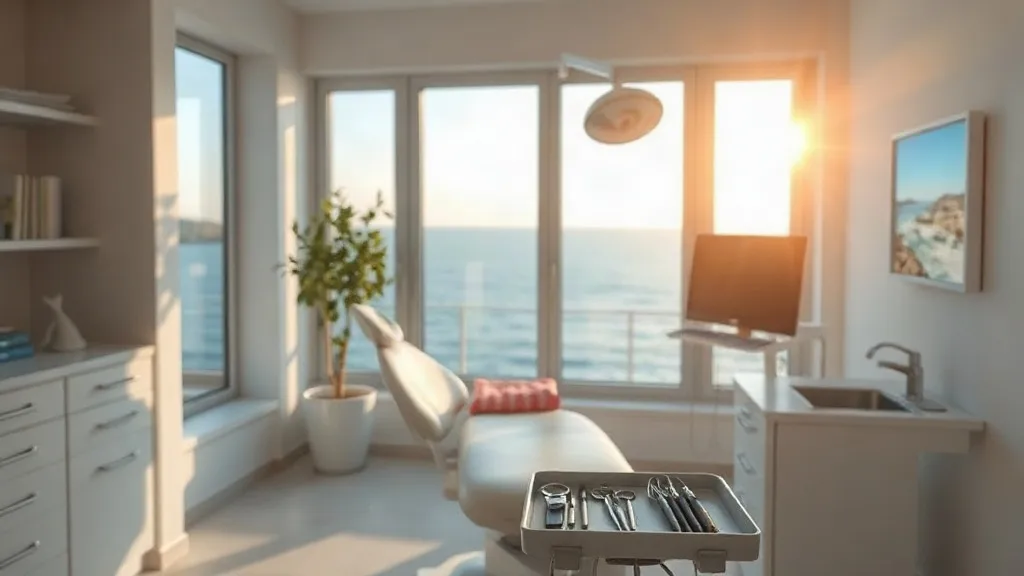
Most people arrive in Bodrum thinking about sea views and long lunches, not root canals. Yet every summer, a steady stream of visitors quietly slots a dental appointment between beach days, and a growing number of residents treat the town as their year-round dental home. If you are searching for a gumbet dentist, the real question is rarely "is there a clinic nearby." It is whether you can trust that clinic with something as personal as your teeth while you are far from your usual dentist. This guide walks through what actually matters when you make that decision.
Why Gumbet Attracts Dental Travelers
Gumbet sits directly beside Bodrum, close enough to walk into the center but distinct enough to feel like its own small resort. That geography explains a lot. Clinics here serve two very different crowds: holidaymakers with a sudden toothache and long-stay visitors or expats who plan treatment deliberately. A clinic that handles both well tends to be organized, because the two groups demand different things. One needs same-day relief. The other needs a structured plan that fits around flights and hotel bookings.
What makes the area practical is density. Within a short radius you will find general dentistry, cosmetic work, implants, and orthodontics, often in the same building. You are not forced into a single option because it happens to be the only one on the street. That competition is useful for patients, provided you know how to read it.
How to Vet a Clinic Before You Book
Marketing photos tell you very little. A polished website can belong to a practice with a single chair and no sterilisation protocol worth mentioning. Instead of judging the brochure, look for evidence of process.
Ask about sterilisation in plain terms
Any clinic worth your time will explain how instruments are cleaned and tracked without hesitation. Autoclave logs, sealed pouches opened in front of you, and single-use items for anything that pierces the skin are baseline expectations, not premium extras. If a question about hygiene makes the conversation awkward, treat that as your answer.
Check who actually performs the treatment
Large clinics often employ several dentists with different specialisms. Ask directly who will do your procedure and what their training is. For implants, that usually means a dentist with documented surgical experience, not whoever is free that afternoon. A clinic confident in its team will name people without being pushed.
Request a written treatment plan and quote
Verbal estimates are where surprises begin. A serious practice will put the proposed work, materials, number of visits, and total cost in writing before you commit. Read the fine print on what happens if a crown needs adjusting or an implant needs a follow-up. Clear policies protect both sides.
Gumbet or Bitez: Does Location Change Anything?
The two resorts are close neighbours, and many patients end up comparing them simply because both appear in their search results. A bitez dentist often appeals to people staying on that side of the peninsula, particularly families who prefer a quieter base with easier parking. The clinical standards you should expect are the same. What changes is logistics: travel time, whether the clinic is walkable from your hotel, and how easy it is to return for a second visit if a treatment spans several days.
If your work requires more than one appointment, proximity matters more than you might think. A twenty-minute transfer each way is fine once. Repeated over four visits in August heat, it wears thin. Choose the clinic that fits your itinerary, not the one with the flashiest Instagram feed.
What a Realistic Treatment Timeline Looks Like
One of the most common sources of disappointment is a timeline that was never realistic. Here is how the usual procedures tend to break down when planned around a trip.
- Check-up and cleaning: a single visit, usually under an hour.
- Fillings: often same-day, though deep restorations may need a follow-up.
- Root canal treatment: typically two visits, occasionally three for complex cases.
- Crowns: preparation and impressions first, fitting a week or so later once the lab work returns.
- Implants: the placement is one appointment, but healing and final restoration stretch over months, which means planning across trips or coordinating with a dentist at home.
Be sceptical of anyone promising a full smile makeover in forty-eight hours without explaining what is being done and why. Speed is not automatically a virtue in dentistry. Some steps exist because the biology requires them.
Questions Worth Asking on the First Visit
The first appointment tells you a lot if you pay attention. Does the dentist examine before recommending? Do they show you imaging and explain what they see? Are they willing to say "this can wait until you are home" when that is the honest answer? A practitioner who talks you out of unnecessary work is a better sign than one who finds six problems you never noticed.
Bring any recent X-rays or records you have. It saves time and money, and it signals that you are treating this as a real medical relationship rather than a transaction.
Practical Notes for Travelers
Book early in your trip rather than at the end, so there is room for a follow-up if needed. Keep your hotel within reasonable reach of the clinic. Confirm payment methods in advance, since card acceptance varies and larger treatments may involve deposits. And leave a buffer day before your flight if you are having anything invasive done, because nobody wants to fly with fresh surgical work and no margin for a check-up.
If you are combining dental care with a holiday, treat the dentistry as the fixed point and build the rest around it. That single shift in planning prevents most of the stress people describe afterwards.
Frequently Asked Questions
Can I get emergency dental treatment in Gumbet as a tourist?
Yes, most clinics keep space for urgent cases during the season, though peak summer weeks fill quickly. Call ahead rather than walking in, and describe your symptoms clearly so the clinic can judge whether you need a same-day slot or can be seen the following morning.
Is dental treatment in Bodrum cheaper than in the UK or Europe?
Costs are frequently lower, largely due to operating expenses rather than shortcuts in materials. That said, price should not be your only filter. Compare what is included in each quote, ask about the brands of implants and crowns used, and factor in travel and accommodation if you are making a dedicated trip.
How do I know if a clinic's sterilisation standards are adequate?
Ask to see the sterilisation area and how instruments are tracked. Reputable clinics use autoclaves with regular validation, store instruments in sealed pouches, and use disposable needles and gloves. Willingness to show you is itself informative.
Can I start implant treatment in Gumbet and finish it at home?
Often yes, but it requires cooperation. Ask the clinic for full records, including imaging and the implant system used, so your dentist at home can continue safely. Some clinicians prefer to handle the whole sequence themselves, so raise the question before treatment begins rather than after.
Do I need to speak Turkish to be treated?
Clinics in tourist areas generally have English-speaking staff, and many employ coordinators for international patients. For complex treatment, confirm that the dentist themselves can discuss risks and aftercare with you directly, not only through a receptionist.