
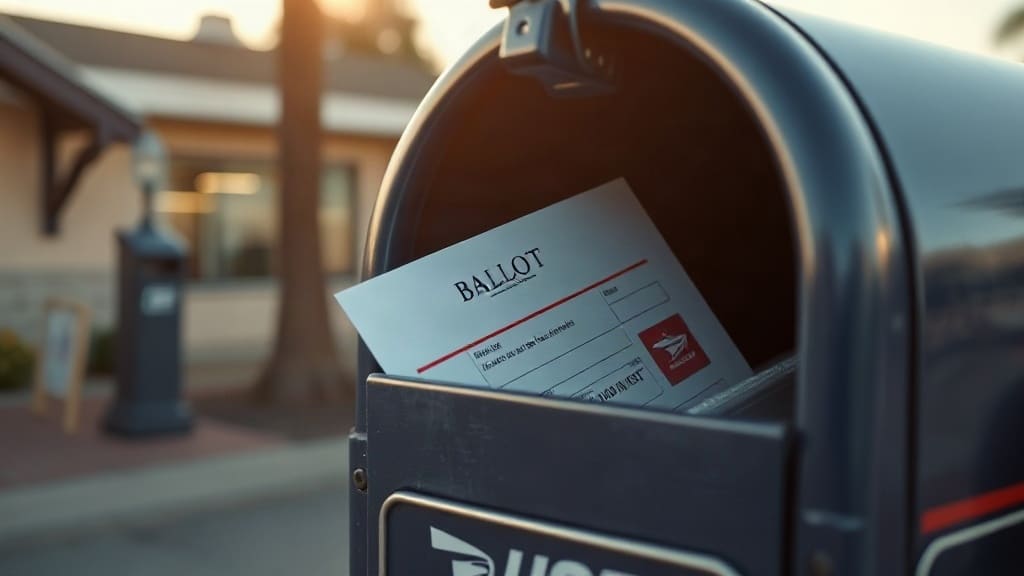
Election officials and voting rights advocates are sounding the alarm over a little-known Postal Service procedure that could have outsized consequences in the next election. At the center of the controversy is an unusual verification rule that, according to a lawyer representing an anonymous whistleblower, may slow down the delivery of mail-in ballots. The concern is not theoretical: even a small delay in processing could mean thousands of ballots arrive after deadlines, effectively silencing voters who followed every rule.
The issue traces back to a directive tied to the executive branch, but the practical impact lands squarely on the shoulders of local election administrators and voters. The Postal Service has long been a neutral carrier for ballots, but new operational changes are testing that neutrality. The whistleblower's lawyer warns that a hastily assembled online system, combined with the new verification rule, could create a bottleneck that disenfranchises eligible voters, particularly in states with strict ballot receipt deadlines.
Understanding the USPS Verification Rule
To grasp why this matters, it helps to understand what the rule actually does. Normally, mail ballots are processed like any other piece of first-class mail: they are sorted, transported, and delivered according to standard service standards. But the new verification rule adds an extra layer of scrutiny. Under the plan, certain mail pieces—including ballots—would be subject to a manual verification step that is not part of the usual automated sorting process.
This step is intended to increase security, but critics say it introduces unnecessary friction. The whistleblower's lawyer describes the verification process as "unusual" and notes that it was implemented without sufficient testing or training. In a high-volume election season, when postal workers are already stretched thin, adding a manual step to millions of ballots could create delays measured in days, not hours. And in an election, days matter.
The Role of the Hastily Built Online System
Compounding the problem is an online system that the Postal Service reportedly rushed into service. According to the lawyer, this system was designed to track and manage the verification process, but it was built so quickly that it lacks the robust testing and fail-safes needed for a national election. The system's shortcomings could lead to ballots being misrouted, flagged incorrectly, or simply stuck in digital limbo.
Imagine a scenario where a voter mails their ballot a week before Election Day, confident it will arrive on time. Under normal conditions, that ballot would be delivered within three to five days. But with the new verification rule and the online system's glitches, that same ballot could be delayed by several days. If the state's deadline for receiving mail ballots is on Election Day itself—or even earlier in some states—the voter's ballot could be rejected as too late, through no fault of their own.
Why This Could Disenfranchise Voters
The most troubling aspect of this situation is the potential for silent disenfranchisement. Voters who cast their ballots by mail often do so because they cannot easily vote in person—they may be elderly, disabled, serving overseas, or working long hours. If their ballots are delayed, they may not even know there was a problem until it is too late to correct it. Unlike an in-person voter who encounters a problem at the polling place, a mail voter has no opportunity to fix a delayed ballot.
Election law experts point out that even a small percentage of delayed ballots can swing a close election. In 2020, several states had margins of victory of less than one percent. If the Postal Service's new procedures delay even a fraction of one percent of mail ballots, the outcome in a battleground state could be affected. The whistleblower's lawyer is not claiming intentional wrongdoing, but rather a reckless disregard for the consequences of operational changes made without adequate planning.
What Voters Can Do to Protect Their Ballots
Given the uncertainties, voters should take proactive steps to ensure their mail ballots count. The first and most important step is to request a mail ballot as early as possible. Many states allow voters to request a ballot weeks or even months before the election. By requesting early, voters give themselves a buffer against postal delays.
Second, voters should consider returning their ballots using methods other than the mail. Many jurisdictions offer secure drop boxes where voters can deposit their ballots directly, bypassing the Postal Service entirely. Drop boxes are typically available 24/7 and are emptied regularly by election officials. Some states also allow voters to return their ballots in person at an election office or early voting location.
Third, voters should track their ballots. Most states now offer online ballot tracking systems that allow voters to see when their ballot was mailed, when it was received, and whether it was accepted. If a voter sees that their ballot has not been received by the deadline, they may still have time to vote in person, depending on state rules. Some states allow voters to cast a provisional ballot if their mail ballot is missing.
The Bigger Picture: Confidence in Elections
Beyond the immediate operational concerns, this situation raises broader questions about public confidence in the electoral process. When voters hear that a government agency's procedures could delay ballots, even if the delays are unintentional, it feeds a narrative of dysfunction and distrust. In an era when election integrity is already under intense scrutiny, any perceived failure by the Postal Service can have outsized political consequences.
Election officials in several states have expressed concern privately, according to the whistleblower's lawyer. They worry that the Postal Service's changes were made without consulting local election administrators, who are ultimately responsible for counting the votes. The lack of coordination is a recurring theme in election administration, but this instance seems particularly acute because of the compressed timeline and the high stakes.
The Postal Service has defended its procedures, saying that the verification rule is designed to protect the integrity of the mail system and that it will not delay election mail. But the whistleblower's lawyer remains unconvinced, pointing to internal documents and testing data that suggest otherwise. The truth may not be known until after the election, when it is too late to fix the problem.
What Comes Next?
For now, the focus is on raising awareness among voters and election officials. The whistleblower's lawyer has called for the Postal Service to suspend the verification rule for election mail until it can be properly tested and implemented. Some members of Congress have also expressed concern and may hold hearings on the matter. In the meantime, voters are advised to plan ahead and use every available option to ensure their ballots are received on time.
The stakes are high, and the margin for error is thin. A single delayed ballot is a tragedy for that voter; thousands of delayed ballots would be a crisis for democracy. The coming weeks will reveal whether the Postal Service heeds the warnings or doubles down on a plan that even its own workers reportedly distrust.
Frequently Asked Questions
Why is the USPS verification rule causing concern for mail ballots?
The rule adds an extra manual verification step to certain mail pieces, including ballots. Critics say this step slows down processing and could cause ballots to arrive after state deadlines, effectively disenfranchising voters who mailed their ballots on time.
What can I do to make sure my mail ballot arrives on time?
Request your ballot as early as possible, use a secure drop box if available, or return your ballot in person to an election office. Track your ballot online and, if it hasn't arrived by the deadline, check if you can vote in person or cast a provisional ballot.
Is the USPS deliberately delaying mail ballots?
There is no evidence of deliberate intent. The whistleblower's lawyer describes the situation as a result of an unusual verification rule and a hastily built online system, not a coordinated effort to suppress votes. However, the practical effect could be delays that disenfranchise voters.
Which voters are most at risk from mail ballot delays?
Voters in states with strict ballot receipt deadlines, those who mail their ballots close to Election Day, and voters who cannot easily vote in person—such as the elderly, disabled, or overseas—are most at risk. Even a few days of delay can cause their ballots to be rejected.