
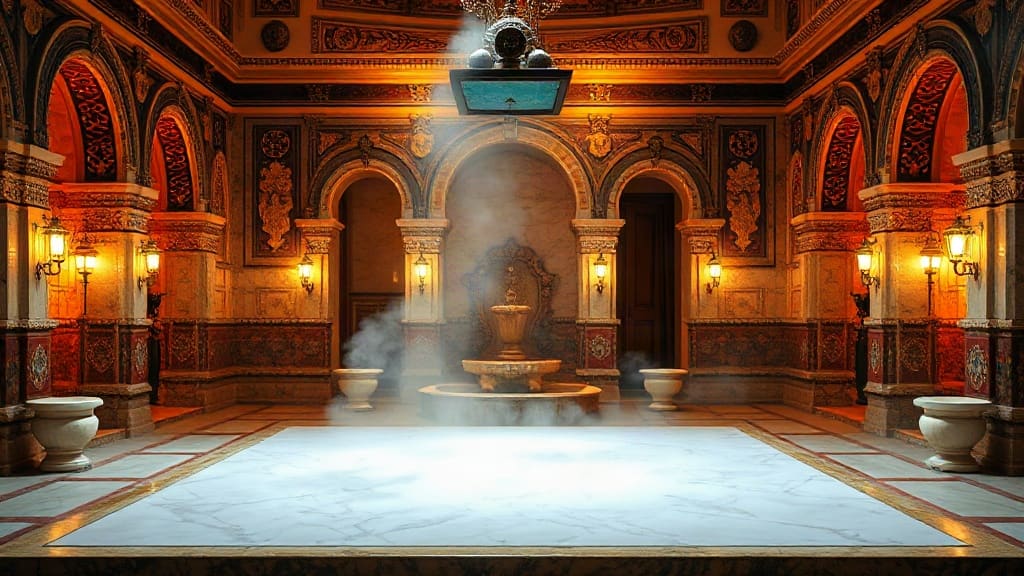
Stepping into a turkish bath is like entering a sanctuary where time slows down and centuries-old traditions come alive. The warm marble under your feet, the soft echo of water droplets, and the gentle steam enveloping you create an atmosphere that is both deeply relaxing and profoundly cleansing. If you have ever searched for a turkish bath near me, you already know the allure of this ancient ritual. But what exactly makes the hammam experience so special, and how can you ensure you find an authentic one? This guide will walk you through everything you need to know, from the history and health benefits to practical tips for your first visit.
What is a Turkish Bath?
A turkish bath, also known as a hammam, is a traditional public bathing practice rooted in Middle Eastern and Ottoman culture. Unlike a Western sauna or steam room, a hammam is not just about sweating; it is a full-body cleansing and relaxation ritual. The experience typically involves moving through a series of rooms with varying temperatures, followed by an exfoliating scrub, a foam massage, and a rinse. The hammam is as much a social and cultural institution as it is a place for hygiene. Historically, it served as a community gathering spot where people of all backgrounds could come together, and today it remains a beloved wellness practice around the world.
The History and Cultural Significance of the Hammam
The origins of the turkish bath trace back to the Roman thermae, which were adopted and adapted by the Byzantines and later perfected by the Ottomans. The Ottoman Empire elevated the hammam to an art form, integrating it into daily life and architecture. Hammams were often built near mosques as part of religious complexes, emphasizing the importance of cleanliness in Islamic tradition. They were also places of celebration; brides would visit the hammam before their weddings, and mothers would bring their newborns for a ceremonial first bath. Today, the hammam continues to be a symbol of hospitality and self-care, offering a unique glimpse into a rich cultural heritage.
Health Benefits of a Turkish Bath
The benefits of a turkish bath extend far beyond relaxation. The combination of heat, steam, and exfoliation offers numerous physical and mental health advantages.
Deep Cleansing and Detoxification
The intense heat opens your pores, allowing sweat to flush out toxins and impurities from your skin. The traditional kese scrub removes dead skin cells, leaving your skin incredibly soft and renewed. This deep cleansing can help prevent acne and improve overall skin texture.
Improved Circulation and Muscle Relief
The warmth of the hammam dilates blood vessels, promoting better blood flow throughout the body. This increased circulation can help reduce muscle tension, alleviate joint pain, and speed up recovery after exercise. Many people find that a session in the hammam works wonders for sore muscles and stiffness.
Stress Reduction and Mental Clarity
The serene environment, combined with the soothing warmth and the rhythmic rituals, triggers a relaxation response in the body. Stress hormones decrease, and the mind can enter a meditative state. Regular visits to a turkish bath near me can become a powerful tool for managing anxiety and improving sleep quality.
Respiratory Relief
The steam in a hammam can help open airways and loosen congestion, providing relief for those suffering from colds, allergies, or sinus issues. Breathing in the warm, moist air can be incredibly soothing for the respiratory system.
What to Expect During Your First Turkish Bath Experience
If you have never been to a turkish bath, the process might seem mysterious. Here is a step-by-step breakdown of a typical hammam ritual.
Arrival and Preparation
Upon arrival, you will be given a pestemal, a thin cotton wrap, and a pair of slippers. You will change in a private area and then proceed to the warm room. It is customary to wear the pestemal throughout the experience, though some modern hammams offer co-ed sessions where swimwear is required.
The Warm Room
The warm room is moderately heated and serves as an acclimatization space. Here, you will begin to sweat lightly and relax on a marble bench. This room prepares your body for the hotter areas ahead.
The Hot Room
The hot room, or hararet, is the heart of the hammam. It features a large, heated marble platform called the gobek tasi. You will lie on this platform for 15 to 30 minutes, allowing the heat to penetrate your muscles and open your pores. The room is filled with steam, and the ambient temperature is typically between 40 and 50 degrees Celsius.
The Kese Scrub
After sufficient sweating, an attendant will perform the kese, a vigorous full-body exfoliation using a coarse mitt. This process removes layers of dead skin, and many first-timers are surprised by the amount of skin that comes off. It is completely normal and leaves your skin feeling incredibly smooth.
The Foam Massage
Next comes the foam massage. The attendant will lather up a large, soft cloth and cover your entire body with billowy clouds of soap foam. This is followed by a gentle massage that helps further relax your muscles and improve circulation. The feeling of warm foam cascading over you is pure bliss.
Rinsing and Cooling Down
After the massage, you will be rinsed with warm water, often from a marble basin. Then, you will move to the cooling room to rest, hydrate, and wrap yourself in towels. Many hammams offer tea and a place to relax before you leave.
How to Find an Authentic Turkish Bath Near Me
Finding a genuine hammam experience can be tricky, especially outside of Turkey. Here are some tips to help you locate a truly authentic turkish bath near me.
Research the Facility's History and Staff
Look for hammams that emphasize traditional practices and employ staff trained in the art of the hammam. Authentic establishments often have a long history or are run by individuals from cultures where the hammam is a native tradition. Read reviews and check for mentions of authentic rituals like the kese and foam massage.
Check the Amenities and Atmosphere
A true hammam will have specific architectural features, such as marble surfaces, a central heated platform, and multiple rooms with varying temperatures. The atmosphere should be calm and serene, with attention to detail in the decor. Avoid places that feel like generic spas with a steam room labeled as a hammam.
Ask About the Rituals Offered
An authentic experience should include the traditional sequence: warm room, hot room, kese scrub, foam massage, and rinse. Some places may offer additional services like oil massages or clay masks, but the core ritual should be present. Inquire about the duration and what is included in the price.
Consider Cultural Etiquette
Traditional hammams may have separate sections or hours for men and women, while modern ones might be co-ed. Be aware of the customs and dress code. In many authentic hammams, nudity is not required; you will wear a pestemal or swimwear. Understanding these nuances will help you choose a place that aligns with your comfort level.
Preparing for Your Turkish Bath Visit
To make the most of your hammam experience, here are some practical tips.
- Hydrate well before and after: The heat causes significant sweating, so drink plenty of water to avoid dehydration.
- Avoid heavy meals: Eat a light snack at least an hour before your session. A full stomach can make you feel uncomfortable in the heat.
- Bring a change of clothes: You will likely want to change into fresh clothes after the experience.
- Leave valuables at home: Most hammams provide lockers, but it is best to minimize what you bring.
- Communicate your preferences: If the scrub is too rough or the massage too firm, let the attendant know. They are usually happy to adjust.
Common Misconceptions About Turkish Baths
There are several myths surrounding the turkish bath that might deter first-timers. Let us clear them up.
It is Only for Women
While many people associate hammams with female bonding, men have equally enjoyed them for centuries. Traditional hammams often have separate facilities or designated hours for men and women, but both genders are welcome.
You Have to Be Naked
In most modern hammams, and even in many traditional ones, you will wear a pestemal or swimwear. Nudity is not a requirement. The level of modesty varies by culture and establishment, so choose one that fits your comfort level.
It is Painful
The kese scrub can be intense, but it should not be painful. A skilled attendant will adjust the pressure to your tolerance. The sensation is invigorating, and the results are worth it.
It is Unhygienic
Reputable hammams are meticulously cleaned and sanitized. The constant flow of water and marble surfaces make them easy to keep clean. Additionally, the use of soap and hot water throughout the ritual ensures hygiene.
Incorporating the Turkish Bath into Your Wellness Routine
Visiting a turkish bath near me can be more than a one-time treat; it can become a regular part of your self-care regimen. Many people find that monthly or bi-monthly visits help maintain healthy skin, reduce stress, and provide a much-needed digital detox. The ritualistic nature of the hammam forces you to slow down and be present, which is rare in our fast-paced world. Whether you go alone for some quiet reflection or with friends for a social experience, the hammam offers a unique blend of physical and mental rejuvenation.
Conclusion
The turkish bath is a timeless tradition that offers profound benefits for both body and mind. From its historical roots to its modern-day practice, the hammam remains a powerful tool for cleansing, relaxation, and cultural connection. By understanding what to expect and how to find an authentic experience, you can fully embrace this ancient ritual. So the next time you search for a turkish bath near me, you will be well prepared to step into a world of warmth, steam, and serenity. Treat yourself to the ultimate reset, and let the hammam wash away the stresses of daily life.
Frequently Asked Questions
What should I wear to a Turkish bath?
Most hammams provide a pestemal, a thin cotton wrap, and slippers. You can wear a swimsuit underneath if you prefer more coverage. In traditional gender-separated hammams, you may be able to go without a swimsuit, but it is always best to check the establishment's policy.
How long does a typical Turkish bath session last?
A full hammam experience, including the warm room, hot room, scrub, and massage, usually lasts between 45 minutes to an hour. Some facilities offer extended packages that include additional treatments or relaxation time.
Is a Turkish bath safe during pregnancy?
Pregnant women should consult their healthcare provider before visiting a hammam. The high heat and steam can be risky, especially during the first trimester. Some hammams offer modified experiences with lower temperatures, but medical advice is essential.
Can I get a Turkish bath if I have sensitive skin?
Yes, but you should inform the attendant about your skin sensitivity. They can use a gentler touch during the kese scrub or skip it altogether. The steam and foam massage alone can still provide a wonderful experience.
How often should I visit a Turkish bath?
There is no set rule, but many people find that visiting once a month is sufficient to maintain skin health and relaxation benefits. Some enthusiasts go more frequently, while others treat it as a special occasion. Listen to your body and adjust accordingly.