
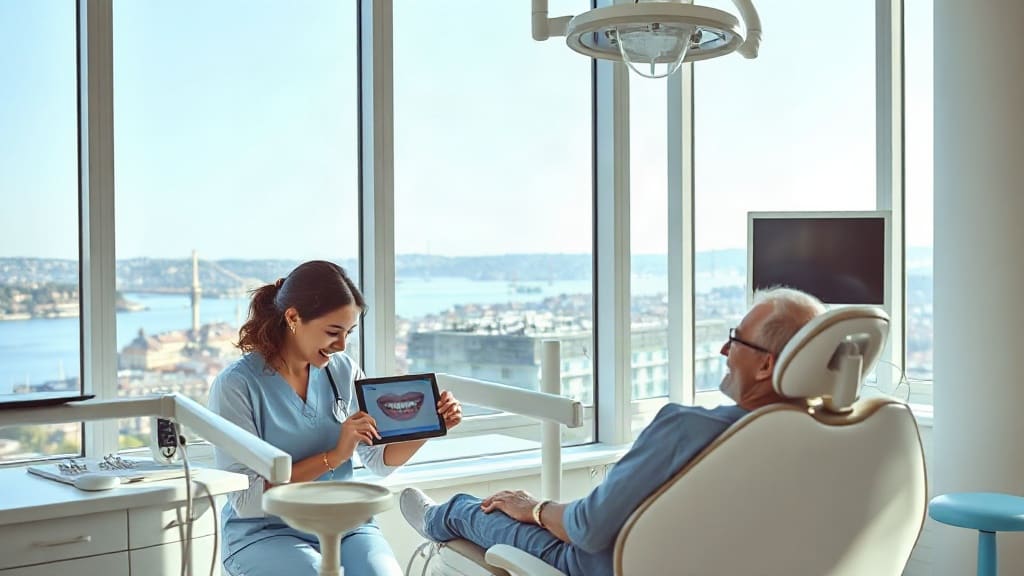
Imagine combining a vacation with a brand-new smile, all while saving thousands of dollars. That's the reality for hundreds of thousands of people who travel to Turkey for dental work every year, a phenomenon often called turkey teeth. But before you book a flight, you need to understand the real costs, how to find a trustworthy clinic, and what the process actually involves. This guide cuts through the hype and gives you the practical information you need to make a smart decision.
The appeal is obvious: turkey teeth cost can be 50% to 70% lower than in the UK, US, or Western Europe. But a low price tag means nothing if the quality is poor or the clinic cuts corners. That's why we've done the research, spoken to patients, and analyzed the market to bring you a clear picture of what to expect. Whether you're curious about veneers, implants, or a full-mouth restoration, you'll find actionable advice here.
What Exactly Are Turkey Teeth?
The term "turkey teeth" might sound a bit odd, but it simply refers to dental treatments performed in Turkey, primarily for international patients. It became popular on social media, where people share their dramatic before-and-after transformations. The most common procedures are:
- Porcelain veneers
- Dental crowns (often zirconium or E-max)
- Dental implants
- Full smile makeovers
- All-on-4 or All-on-6 implant-supported dentures
Turkey has invested heavily in dental technology and training. Many clinics in Istanbul, Antalya, and Izmir boast state-of-the-art equipment, experienced dentists, and English-speaking staff. The combination of lower operating costs and a competitive market means you can get high-quality work for a fraction of the price back home.
Breaking Down Turkey Teeth Cost
Let's talk numbers. The turkey teeth cost varies depending on the clinic's location, the dentist's experience, the materials used, and the complexity of your case. Here's a general price range for popular treatments (as of 2025):
- Porcelain veneers: $150 – $300 per tooth (vs. $800 – $2,500 in the US)
- Zirconium crowns: $200 – $400 per tooth (vs. $1,000 – $3,000 in the US)
- Dental implants (including abutment and crown): $400 – $800 per implant (vs. $3,000 – $6,000 in the US)
- All-on-4 full arch: $4,000 – $8,000 per arch (vs. $20,000 – $30,000 in the US)
These prices often include a package deal: airport transfers, hotel accommodation, and sometimes a personal coordinator. However, always ask for a detailed breakdown. Some clinics quote a low price for the basic procedure but then add on costs for extractions, bone grafts, or temporary teeth.
What Influences the Price?
Several factors affect the final bill:
- Material quality: E-max and zirconium are more expensive than metal-fused porcelain but offer better aesthetics and durability.
- Clinic reputation: Top-rated clinics with international accreditations may charge more, but you're paying for peace of mind.
- Dentist's expertise: A prosthodontist with 20 years of experience will cost more than a general dentist.
- Location: Clinics in central Istanbul or tourist-heavy areas might have higher overheads than those in smaller cities.
- Additional treatments: Root canals, gum treatment, or sinus lifts will increase the total cost.
Always get a written treatment plan with a fixed price before you travel. Avoid clinics that give vague estimates or pressure you to pay everything upfront.
How to Choose Among the Top 10 Dental Clinics in Turkey
With thousands of clinics to choose from, narrowing down the top 10 dental clinics in Turkey can feel overwhelming. Here's a practical approach:
1. Check International Accreditations
Reputable clinics often hold certifications from organizations like the Joint Commission International (JCI), ISO, or the Turkish Dental Association. These aren't guarantees of perfection, but they show a commitment to standards.
2. Read Real Patient Reviews
Look beyond the clinic's website. Check independent platforms like Trustpilot, Google Reviews, and dental tourism forums. Pay attention to reviews that mention aftercare, communication, and how the clinic handled complications. Be wary of clinics with only 5-star reviews and no negative feedback—it might be filtered.
3. Ask About the Dentists' Credentials
Don't be shy. Ask for the names of the dentists who will treat you, their qualifications, and years of experience. Many top clinics have dedicated international patient departments and will happily provide this information.
4. Evaluate Communication and Transparency
From your first inquiry, notice how the clinic communicates. Do they answer your questions clearly? Do they provide a detailed treatment plan? A good clinic will ask for your X-rays or dental records before giving a quote. If they promise a full set of veneers without seeing your teeth, that's a red flag.
5. Consider the Warranty and Aftercare
What happens if a veneer chips or an implant fails after you return home? Top clinics offer warranties ranging from 2 to 10 years on their work. They should also provide a clear aftercare plan and be available for follow-up questions. Some have partner clinics in your home country for emergency care.
6. Visit the Clinic's Social Media (But Critically)
Instagram and TikTok are full of stunning transformations, but remember that social media shows the highlights. Look for videos of the actual clinic, the staff, and the sterilization process. A clinic that is proud of its facility will show it.
The Dental Tourism Process: Step by Step
Understanding the journey helps you prepare mentally and logistically. Here's what a typical turkey teeth trip looks like:
- Initial consultation (online): You send photos and X-rays. The clinic sends a preliminary treatment plan and price quote.
- Booking and travel: You agree on dates and pay a deposit (usually 10-20%). The clinic arranges your airport transfer and hotel.
- First appointment: The dentist examines you, takes new X-rays or 3D scans, and finalizes the treatment plan. Sometimes they adjust the plan based on your actual condition.
- Treatment phase: Depending on the procedure, this can take 3 to 7 days. For veneers, they prepare your teeth, take impressions, and place temporary veneers. For implants, they place the implant posts and provide temporary teeth if needed.
- Final fittings: You return for the permanent restorations. The dentist checks the fit, bite, and aesthetics, then cements them.
- Aftercare instructions: You receive guidance on oral hygiene and a schedule for follow-up. You may need to return in 3-6 months for a check-up (some clinics include this).
Plan for at least one week in Turkey. For complex cases like full-mouth implants, you might need two trips: one for the surgical phase and another for the final teeth after healing.
Common Risks and How to Avoid Them
Dental tourism is generally safe, but it's not without risks. Here's what to watch out for:
- Overly aggressive tooth preparation: Some clinics shave down healthy teeth too much for veneers. A good dentist preserves as much natural tooth as possible.
- Poor quality materials: Cheap veneers may look unnatural or stain quickly. Ask for the brand and origin of the materials.
- Infection control issues: Always check that the clinic follows strict sterilization protocols. Instruments should be autoclaved, and the dentist should wear gloves and a mask.
- Lack of aftercare: If something goes wrong after you leave, you need a clinic that will support you remotely or cover repairs.
- Unrealistic expectations: Social media filters can make veneers look perfect. Discuss your desired shape and shade thoroughly with the dentist.
To minimize risks, never choose a clinic based solely on price. A $100 veneer is suspiciously cheap. Quality materials and lab fees alone cost more than that.
What to Pack and Prepare Before You Go
Beyond your passport and toothbrush, consider these essentials:
- Medical history: Bring a list of medications, allergies, and any existing dental records.
- Comfortable clothing: You'll spend hours in the dental chair, so wear something relaxed.
- Payment method: Many clinics accept credit cards, but some prefer cash or bank transfer. Clarify this beforehand.
- Travel insurance: Standard travel insurance may not cover dental treatment, but it can cover other medical emergencies during your trip.
- A list of questions: Write down everything you want to ask the dentist. It's easy to forget once you're in the chair.
Real Patient Stories: Learning from Experience
Sarah, a 34-year-old teacher from London, traveled to Istanbul for 10 zirconium crowns. "I was terrified at first," she says. "But the clinic was spotless, the dentist explained everything, and I saved nearly £8,000. The temporaries felt a bit odd, but the final crowns are amazing." Her advice: "Don't rush the decision. I talked to three clinics before choosing one."
On the other hand, Mark, a 45-year-old from Texas, had a less positive experience. "I went with the cheapest quote, and I regret it. The veneers looked bulky and unnatural. I had to pay another dentist back home to redo them." His lesson: "Spend a bit more for a reputable clinic. It's worth it."
These stories highlight the importance of research and not compromising on quality for a bargain.
Is Turkey Teeth Right for You?
Dental work in Turkey is an excellent option if you:
- Need extensive work that would be unaffordable at home.
- Are willing to travel and take time off for treatment and recovery.
- Do thorough research and choose a well-reviewed clinic.
- Understand that follow-up care may be remote.
It might not be ideal if you:
- Have complex medical conditions that require close monitoring.
- Prefer to have your regular dentist handle everything.
- Cannot commit to the travel time or the possibility of a return visit.
Ultimately, the decision is personal. But with the right preparation, a trip for turkey teeth can be a life-changing investment in your smile and confidence.
Frequently Asked Questions
How long do turkey teeth last?
With proper care, porcelain veneers and crowns can last 10 to 15 years or more. Dental implants can last a lifetime, though the crown on top may need replacement after 10-15 years. Regular dental check-ups and good oral hygiene are essential.
Is it safe to get dental work in Turkey?
Yes, if you choose a reputable clinic with proper accreditations and experienced dentists. Thousands of international patients receive safe, high-quality treatment every year. However, you must do your research and avoid clinics that seem too good to be true.
What is included in a typical turkey teeth package?
Most packages include the dental treatment, airport transfers, hotel accommodation, and sometimes a personal coordinator. Some clinics also include meals or a city tour. Always confirm exactly what's covered in writing.
Can I get a payment plan for dental work in Turkey?
Some clinics offer financing options or allow you to pay in installments. However, many require full payment before or on the day of treatment. Discuss payment terms during your initial consultation.
What if I have a problem after I return home?
Top clinics provide a warranty and will often cover the cost of repairs if the issue is due to their workmanship. They may also have partner dentists in your country. Always ask about the aftercare policy before committing.
https://focusdentalturkey.co.uk/turkey-teeth/
https://focusdentalturkey.co.uk/turkey-teeth/
https://focusdentalturkey.co.uk/top-10-dental-clinics-in-turkey/