
There are albums that define a genre, and then there are albums that quietly invent one while everyone else is still catching up. The Units' Digital Stimulation falls firmly into the latter category. Released in 1980, this record is a masterclass in what would eventually be called synthpunk: a collision of punk's urgent, DIY ethos with the cold, mechanical pulse of early electronic music. For anyone who thinks punk and synthesizers don't mix, this album is a rude awakening.
Most music histories place the birth of synthpunk in the late 1970s, with bands like The Screamers, Suicide, and DEVO leading the charge. But The Units, hailing from San Francisco, took the idea further than almost anyone. They didn't just use synthesizers as a gimmick or an add-on; they built their entire sound around them, stripping away guitars almost entirely and replacing them with buzzing, stabbing, and sometimes eerie electronic textures. The result is a sound that feels both primitive and futuristic, a perfect reflection of the cultural anxiety and technological optimism of the era.
The Birth of a Synthpunk Landmark
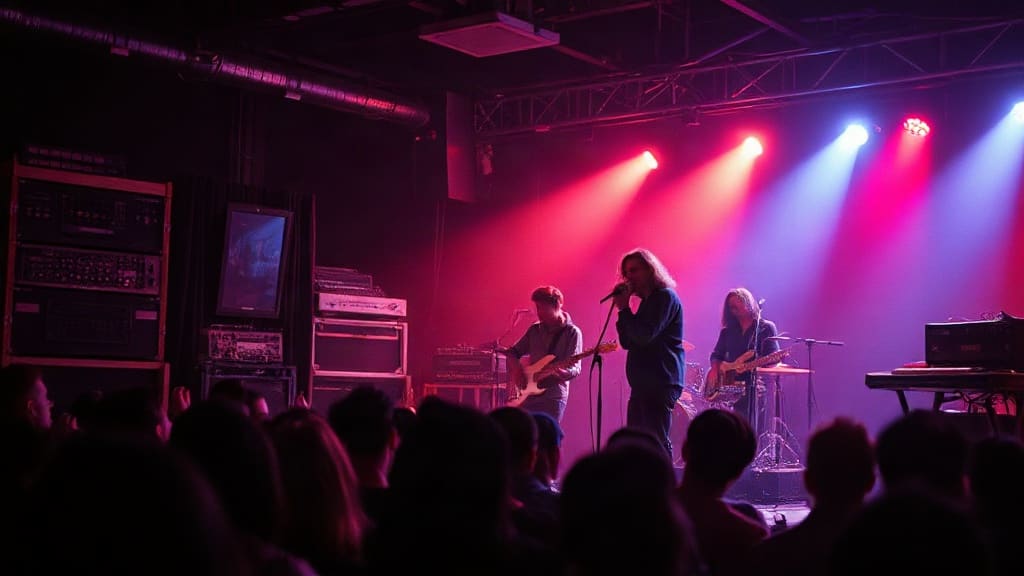
The Units formed in 1978, at a moment when punk's initial explosion was fragmenting into a thousand different directions. While many bands were doubling down on raw guitar aggression, The Units saw an opportunity in the new wave of affordable synthesizers hitting the market. They were among the first to realize that these machines could be just as confrontational as a distorted guitar. Their early live shows were legendary: a wall of synthesizers, aggressive vocals, and a stage presence that owed more to performance art than rock and roll. It was this energy they captured on Digital Stimulation.
The album was originally released on the band's own label, a testament to their DIY punk roots. It didn't sell in huge numbers at the time, but it became a cult classic, passed around on cassette tapes and later rediscovered by a new generation of electronic and punk musicians. Tracks like "High Pressure Days" and "Warm Moving Bodies" became underground anthems, their robotic grooves and paranoid lyrics perfectly capturing the mood of a generation living under the shadow of the Cold War and the rise of personal computing.
What Makes Digital Stimulation So Special?
The genius of Digital Stimulation lies in its balance. The Units never let the technology overshadow the songs. Beneath the layers of analog synths and drum machines, there are real hooks, real melodies, and a real punk sneer. The lyrics are often cynical and observational, touching on themes of alienation, media saturation, and the dehumanizing effects of technology. In that sense, the album was prophetic. Listening to it today, in an age of social media and constant connectivity, the themes feel more relevant than ever.
Musically, the album is a masterclass in tension and release. Songs like "Cannibals" build slowly, adding layers of percussion and synth stabs until they explode into a danceable, almost funky groove. Others, like "The Right Man," are more straightforward punk rockers, but with the guitars replaced by distorted synth riffs that sound like they're being played through a broken amplifier. It's a sound that would influence countless bands, from The Faint to LCD Soundsystem, though few have ever matched its raw power.
The Legacy of The Units
The Units never achieved mainstream success, and they disbanded in the mid-1980s after a few more releases. But their influence has only grown over time. The term "synthpunk" is now used to describe a whole wave of bands that emerged in the late 1990s and early 2000s, many of whom cite The Units as a direct inspiration. The album has been reissued multiple times, each time finding a new audience eager to discover this lost gem.
Part of the appeal is the album's sheer originality. It doesn't sound like anything else from its era, or any era, really. It's a record that exists outside of time, a weird and wonderful artifact from a moment when the rules of rock music were being rewritten. For anyone interested in the intersection of punk and electronic music, Digital Stimulation is essential listening. It's not just a historical curiosity; it's a vital, thrilling piece of music that still sounds fresh over four decades later.
Why Synthpunk Still Matters
The story of The Units is a reminder that innovation often happens on the fringes, far from the spotlight. While the mainstream music industry was busy pushing polished new wave bands, The Units were in a basement somewhere, wiring up synthesizers and creating something genuinely new. Their music was a reaction to their environment, a way of processing the rapid technological changes that were reshaping society. And that's why synthpunk still matters today. We're living through another period of massive technological upheaval, and the questions The Units were asking back in 1980 are still unanswered. How do we stay human in a world of machines? How do we maintain our individuality in the face of mass media? These are the questions that synthpunk, at its best, forces us to confront.
So put on Digital Stimulation, turn it up loud, and let the robotic rhythms and paranoid lyrics wash over you. It's a trip back in time, but it's also a message from the future. The Units may be gone, but their music is more alive than ever.
Frequently Asked Questions
What is synthpunk?
Synthpunk is a subgenre of punk rock that emerged in the late 1970s, characterized by the use of synthesizers and electronic instruments instead of, or in addition to, traditional guitars. It combines the raw energy and DIY ethos of punk with electronic sounds, often creating a cold, mechanical, and sometimes danceable aesthetic.
Who were The Units?
The Units were an American synthpunk band formed in San Francisco in 1978. They were pioneers of the genre, known for their aggressive use of synthesizers and their theatrical live performances. They released several albums and EPs before disbanding in the mid-1980s, but their influence has endured.
Why is Digital Stimulation considered a classic?
Digital Stimulation is considered a classic because it perfectly captures the spirit of synthpunk. It's a bold, original album that blends catchy melodies with experimental electronic sounds, all delivered with punk attitude. Its themes of alienation and technology are more relevant today than ever, and its influence can be heard in many modern bands.
Are there any other bands like The Units?
Yes, several bands share a similar sound or were influenced by The Units. The Screamers, Suicide, DEVO, and early Human League are often mentioned in the same breath. More recently, bands like The Faint, LCD Soundsystem, and Adult. have carried on the synthpunk tradition.
Where can I listen to Digital Stimulation?
The album has been reissued on vinyl and CD and is available on all major streaming platforms. It's also worth checking out some of the band's other releases, such as their debut EP and the album New Way to Move, to get a fuller picture of their sound.