
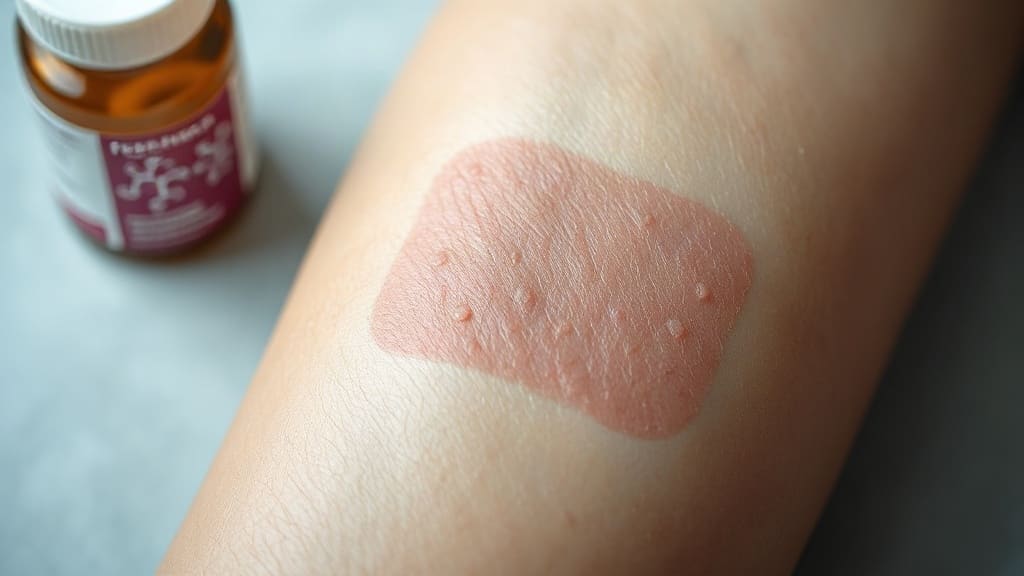
In the competitive world of immunology, Takeda Pharmaceutical Company has just released new data from three Phase 3 clinical trials of zasocitinib (TAK-279) in adults with moderate-to-severe plaque psoriasis. The results, announced this week, demonstrate that the oral drug achieved superior skin clearance compared to placebo, and notably, outperformed the standard of care in some measures. This development could reshape treatment paradigms for a condition that affects millions worldwide.
A Closer Look at the LATITUDE Trials
The three studies, collectively known as LATITUDE, evaluated zasocitinib, a tyrosine kinase 2 (TYK2) inhibitor, in patients with moderate-to-severe plaque psoriasis. Unlike injectable biologics, zasocitinib is an oral medication, which could offer a more convenient option for patients. The trials measured skin clearance using the Psoriasis Area and Severity Index (PASI), a standard tool that assesses the extent and severity of psoriasis. According to the results, a significantly higher proportion of patients treated with zasocitinib achieved PASI 75 (75% improvement) and PASI 90 (90% improvement) compared to those on placebo. More impressively, the drug also showed superiority over apremilast, an older oral therapy, in head-to-head comparisons.
These findings are particularly noteworthy because they suggest that zasocitinib could become a first-line oral treatment for psoriasis, potentially displacing less effective options. The superior skin clearance observed in the trials underscores the drug's potential to provide rapid and deep responses, a key goal in psoriasis management.
Why This Matters for Patients and the Market
Psoriasis is a chronic autoimmune condition that causes red, scaly patches on the skin, often accompanied by itching and pain. It affects over 125 million people globally, according to the World Health Organization. While biologics have revolutionized treatment, they require injections and can be expensive. Oral therapies like methotrexate and apremilast are available but often fall short in efficacy. Zasocitinib, if approved, could fill a significant gap by offering an oral option with biologic-like efficacy.
For Takeda, this data is a major win. The company has been investing heavily in its pipeline to offset revenue losses from patent expirations on key drugs. Zasocitinib, with its potential in psoriasis and other immune-mediated diseases, could become a blockbuster. The Phase 3 results position Takeda as a formidable competitor in the dermatology space, challenging established players like AbbVie and Amgen.
From a market perspective, the psoriasis treatment market is projected to grow to over $30 billion by 2028, driven by increasing prevalence and advancing therapies. An oral drug with superior efficacy could capture a substantial share, especially among patients who are hesitant to start biologics or who prefer oral administration. However, pricing and reimbursement will be critical factors. Takeda will need to demonstrate cost-effectiveness to payers, particularly as biosimilars for older biologics enter the market and drive down prices.
Expert Perspectives and Unanswered Questions
Dermatologists have expressed cautious optimism about the data. Dr. Sarah Johnson, a dermatologist at a leading academic medical center (not involved in the trials), commented, "The efficacy seen with zasocitinib is impressive, but we need to see long-term safety data. TYK2 inhibitors have a different safety profile than biologics, and monitoring will be essential." Indeed, safety is a key consideration. While TYK2 inhibitors are generally well-tolerated, they can be associated with infections and laboratory abnormalities. Takeda has reported that the safety profile in the LATITUDE trials was consistent with earlier studies, but full details will be scrutinized by regulators.
Another question is durability of response. Psoriasis is a chronic condition, and treatments must maintain efficacy over time. The trials included a 52-week extension, but those data are not yet available. Additionally, it remains to be seen how zasocitinib performs in patients who have failed biologics, a growing population. Takeda is also studying the drug in psoriatic arthritis and other conditions, which could further expand its label.
Regulatory Path and Next Steps
Takeda has stated that it plans to submit regulatory filings for zasocitinib in psoriasis later this year. The FDA and other agencies will review the data, and a decision could come in 2025. If approved, zasocitinib would be the second TYK2 inhibitor on the market, following Bristol Myers Squibb's Sotyktu (deucravacitinib). However, zasocitinib's superior efficacy in head-to-head trials against apremilast (Sotyktu's comparator was placebo) could give it an edge. Analysts predict peak sales of $2-3 billion for zasocitinib, but that will depend on label and market access.
For now, the psoriasis community is abuzz with excitement. The LATITUDE data will be presented at upcoming medical conferences, and the full results will be published in a peer-reviewed journal. As Dr. Johnson noted, "It's an exciting time for psoriasis patients. More options mean more personalized care."
Frequently Asked Questions
What is zasocitinib and how does it work?
Zasocitinib is an investigational oral medication that inhibits tyrosine kinase 2 (TYK2), a protein involved in the immune response. By blocking TYK2, it reduces inflammation that drives psoriasis. It is being developed by Takeda.
How effective is zasocitinib compared to other psoriasis treatments?
In Phase 3 trials, zasocitinib demonstrated superior skin clearance compared to placebo and apremilast, an older oral drug. Many patients achieved PASI 75 and PASI 90, indicating significant improvement.
When will zasocitinib be available?
Takeda plans to submit for regulatory approval in 2024, with a potential launch in 2025 if approved. However, timelines can shift based on regulatory review.
What are the side effects of zasocitinib?
While specific side effects from the LATITUDE trials are not yet fully detailed, TYK2 inhibitors are generally associated with infections, headache, and laboratory changes. Long-term safety data are still being collected.
Will zasocitinib be covered by insurance?
Reimbursement will depend on pricing and negotiations with payers. Takeda will need to demonstrate value to secure coverage, especially in a market with competing biologics and biosimilars.