
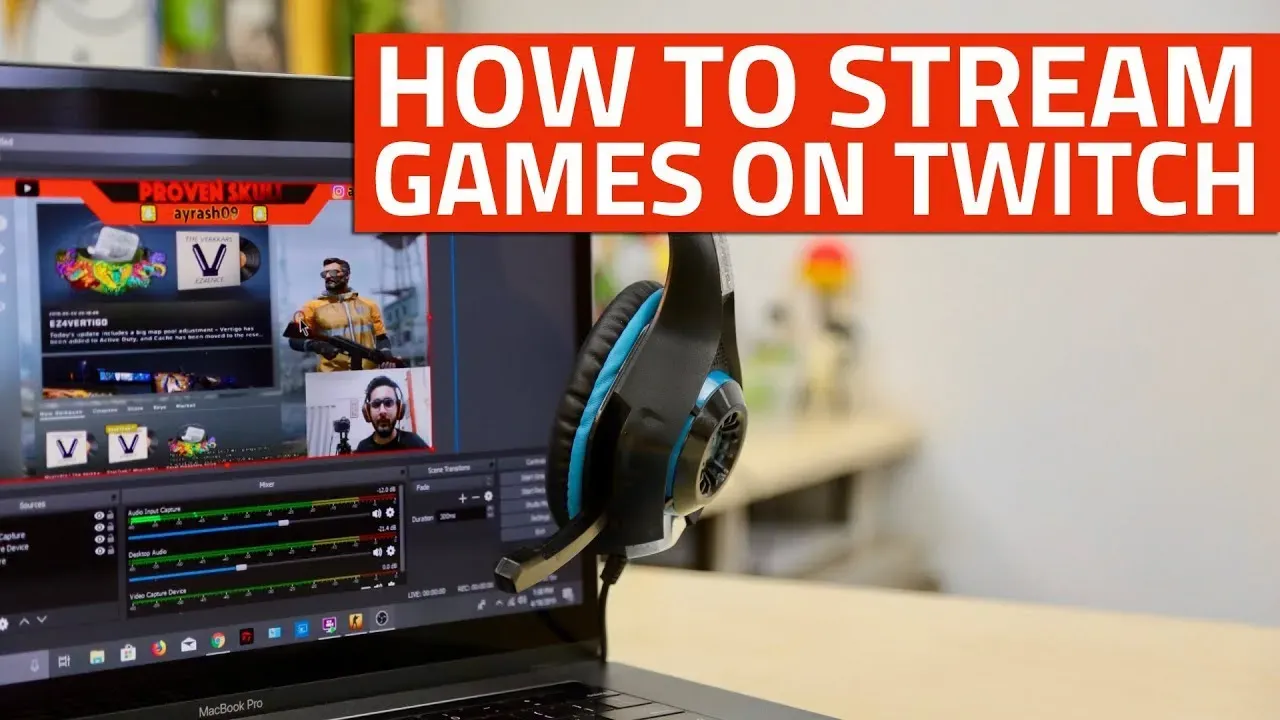
Start streaming your favorite games and discover how simple it can be to turn casual play into a steady, engaging broadcast. With the right setup and a clear plan, you can master live game streaming and build a routine that attracts viewers. This guide covers practical tips for a clean, immersive experience, including how to stream gameplay efficiently using OBS for beginners. From gear choices to scene layout and audio balance, you’ll learn to present yourself so your stream feels polished rather than improvised. Even on a modest budget, you can start streaming games with a solid gaming streaming setup and still deliver professional results.
Beyond the exact phrasing, think of this journey as launching a game broadcast, a live gameplay channel, or building a reliable streaming studio. This perspective uses related terms such as live broadcasting of gameplay, game streaming setup, and beginner-friendly tools to help search engines understand the topic. You might explore OBS for beginners or Streamlabs as practical options, focusing on how to optimize layout, audio, and overlays for clarity. The emphasis is on the process of bringing your gaming moments to an audience, rather than chasing a single keyword, which is where true LSIs strengthen SEO over time.
Start streaming your favorite games: a beginner's guide to building a solid gaming streaming setup
If you’ve ever watched a friend play and thought you could do that, you can start streaming your favorite games with a practical, affordable setup. The path to a clean, engaging stream begins with a clear plan, a modest investment, and a routine you can maintain.
Your gaming streaming setup doesn’t need to break the bank. At minimum, a capable computer or console, a reliable internet connection with sufficient upload speed (5 Mbps for 1080p60 as a baseline), a dependable microphone, a webcam if you want a face cam, basic lighting, and streaming software like OBS or Streamlabs. A comfortable desk and chair complete the package and help you stay consistent during long sessions.
With OBS for beginners, you can create two essential scenes—one for gameplay and one for you on camera—tweak the audio so your voice sits above game sound, and test your encoder settings to strike a balance between image quality and frame rate. A simple overlay and your social handle can signal professionalism, and running a private test ensures you’re ready before going live.
Elevating your live game streaming: mastering OBS for beginners and how to stream gameplay
To level up, focus on live game streaming fundamentals: pick a platform, set expectations, and configure a workflow that keeps your show smooth. OBS for beginners shines here, letting you build scenes, capture game audio and voice, and push content to your chosen platform with predictable results. Whether you’re streaming on Twitch, YouTube, or another service, the basics stay the same: capture gameplay, manage audio, and present a coherent stream.
Understanding how to stream gameplay goes beyond gear. Plan a lightweight content strategy, keep a consistent schedule, and engage with your chat to build a community. Use related topics like 'start streaming games' and 'how to stream gameplay' in your titles and descriptions to improve discoverability, and remember to monitor your bitrate and internet stability as your audience grows. Growth also comes from moderation, clear rules, and collaborating with other creators.
Finally, test, iterate, and optimize. Do regular test streams to check audio sync, framing, and overlays. Fine-tune your bitrate based on upload speed, and consider a gradual upgrade path—from a mid-range capture card to higher-quality mics and lighting—as your channel scales. With a solid plan for live game streaming and a consistent routine, you’ll turn viewers into a loyal community and keep them coming back for your next session.
Frequently Asked Questions
What gear and steps do I need to start streaming your favorite games using a solid gaming streaming setup and OBS for beginners?
To start streaming your favorite games with a solid gaming streaming setup and OBS for beginners, focus on a balanced baseline and a simple workflow: - Hardware and connection: a capable computer or console, reliable internet with at least 5 Mbps upload for 1080p60 (more is better). - Audio and video: a USB condenser microphone for clear voice, optional webcam, and basic lighting to keep you visible. - Software: install OBS for beginners or Streamlabs; create at least two scenes (game capture and camera) and configure a clean audio mix with the mic slightly louder than in-game audio. - Encoding and output: choose a reasonable encoder (x264 or hardware) to balance quality and CPU load; set a practical bitrate based on your platform. - Testing and going live: run a private test to check audio sync, framing, and overlays; when ready, start streaming your favorite games with an introduction and engage chat. - Growth: as you improve, upgrade gear like a capture card for consoles, a higher-quality mic, and a nicer webcam.
What are the essential steps to start streaming gameplay and ensure stable live game streaming on a budget?
Even on a budget, you can learn how to stream gameplay effectively. Here are essential steps: - Baseline gear: solid internet connection, a reliable USB microphone, a basic webcam with decent lighting, and a user-friendly streaming tool (OBS or Streamlabs) for beginners. - Setup in OBS: build two scenes (game and camera); balance audio so your voice stands out and your game audio doesn’t overpower you. - Settings for quality: aim for 720p or 1080p, with a bitrate that fits your upload speed (roughly 6–8 Mbps for 1080p) and adjust as needed. - Testing: run a private test stream to verify audio levels, framing, and overlays; test your internet stability and latency. - Content plan: start streaming gameplay with a simple routine and clear introductions; engage viewers in chat to build community. - Budget tips: upgrade later with a mid-range capture card for console games, a better mic, and improved lighting as you grow.
| Topic | Key Points | Notes |
|---|---|---|
| What you need to start streaming your favorite games | - Stable setup matters more than expensive gear - Minimum: capable computer or console - Reliable internet with upload speed (aim at least 5 Mbps for 1080p at 60fps) - A microphone you can rely on (USB condenser mic can work well) - A webcam (optional but effective for building connection) - Basic lighting to keep you visible and professional - Streaming software (OBS or Streamlabs) - A comfortable, ergonomic desk setup | Tip: Prioritize reliability and comfort over chasing top-tier gear. Validate your setup with test streams. |
| Gear for different budgets | - On a tight budget: mid-range PC, good USB microphone, basic webcam, and reasonable lighting can suffice - If you can invest more: consider a capture card for console streaming, a better microphone, and a higher-resolution webcam - Overall aim: improve viewer experience without unnecessary spending | Budget-conscious path: focus on the basics first; upgrade based on impact on viewer experience. |
| Understanding your streaming platform and encoding settings | - Choose a platform and adjust settings accordingly - OBS remains the go-to for many beginners and seasoned streamers (scenes, overlays, audio mixers) - Streamlabs offers a friendlier onboarding with built-in widgets - Core idea: capture your game, capture your voice, manage audio levels, push feed to platform | Core concepts: capture game + voice, balance audio, and publish to your chosen platform. |
| Optimizing your OBS setup for beginners | - Create at least two scenes: game scene and camera scene - Clean audio mix with microphone louder than background game audio - Balance quality and performance: use x264 preset or hardware encoders if available - Add a simple overlay (social handle) and consider a chat box - Run a local test stream to verify audio sync and framing | Test locally before going live to ensure a smooth broadcast. |
| The art of starting streaming: flow, bitrate, and testing | - Plan a lightweight content strategy for early sessions - Introduce yourself, explain what you’ll stream, invite chat to participate - Engage by asking questions and responding to comments - Test your internet stability and bitrate - A typical stable 1080p stream uses ~6–8 Mbps video plus audio; adjust per upload speed and platform requirements - Auto-tuning modes exist on some platforms, but manual tweaks often yield better results | Consistency and audience engagement drive early growth. |
| Your gaming streaming setup and environment | - Keep a clean background or use a simple virtual background if supported - Lighting is essential to avoid flat, dark video; two lights help a lot - Cable management reduces interruptions and presents a professional look | A professional-looking setup enhances viewer perception and reduces distractions. |
| Content, consistency, and community growth | - Decide what to stream (latest releases, a specific game, or varied titles) - Consistency matters more than occasional long streams; a predictable schedule helps retention - Engage with chat, shout-outs to newcomers, and regular segments (Q&A, live tips) - Collaborate with other streamers to extend reach | A steady routine and community engagement build a loyal audience over time. |
| Common pitfalls and how to avoid them | - Audio misconfiguration: monitor and adjust levels to prevent game audio from drowning the mic - Dropped frames/stuttering from heavy load or aggressive encoding; scale down resolution/frame rate if needed - Monitor CPU/GPU usage and adjust OBS settings accordingly | Anticipate issues and adjust settings early to maintain a smooth stream |
| Budget-friendly paths and platform variations | - On a tight budget or using a console: focus on stable internet, clear mic, and reliable capture method for console games - For console-first streaming: invest in a mid-range capture card and a reputable USB microphone - Start with a basic webcam and lighting for a presentable look - As your channel grows, allocate funds for better capture cards, higher-end mic, and improved lighting | Upgrade path focused on impact areas; scale with growth. |
| Testing and going live | - Run a private test: check audio levels, camera angle, and overlays - Record a short test clip to review framing and mic balance - Schedule a test live session with close friends for feedback - Gather feedback to improve pacing and layout before your first public stream | Practice runs minimize first-stream jitters and set a confident launch. |
| Moderation, safety, and community norms | - Establish chat rules, appoint moderators, and use platform tools to filter offensive language or spam - Build a positive community to support long-term streaming success | A healthy community sustains growth and encourages participation. |
| The long game: growth, searchability, and SEO-friendly content | - Use consistent titles, thumbnails, and descriptions reflecting focus keywords - Include focus keywords naturally in stream descriptions and video summaries across platforms - Build a library of past streams, clips, and highlights for discoverability - Over time, growth comes from search and recommendations | SEO-friendly content helps viewers discover your streams beyond live sessions. |
Summary
Start streaming your favorite games is a journey that blends gear, software, and storytelling. With a solid setup, practical OBS or Streamlabs knowledge, and a habit of posting consistently, you can grow a community of viewers who look forward to your next session. Remember: use the gear you have, test often, and stay engaged with your audience. The moment you press go live, you join a vibrant, evolving ecosystem where your passion for gaming becomes something others can enjoy too. Start streaming your favorite games, stay curious, and enjoy the process of building your own streaming journey.