
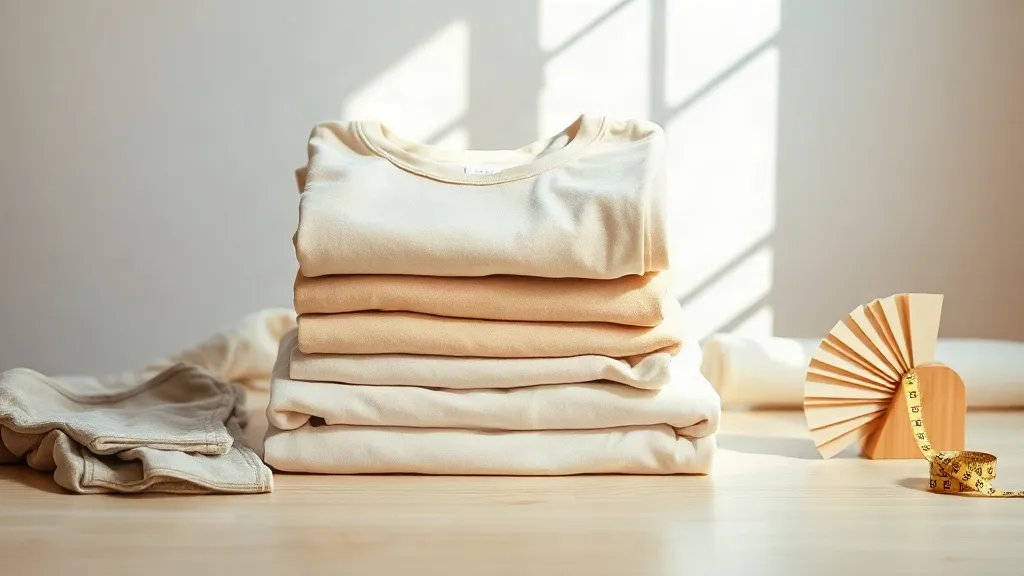
Anyone who has placed a custom print order knows the quiet anxiety of the unboxing. You approved the artwork, paid the deposit, waited two weeks, and now you are holding a finished piece that looks nothing like the mockup because the blank underneath was inconsistent. Seams ran crooked. Sizing drifted between colors. The fabric took ink in patches. That is the moment most people start paying attention to what they should have scrutinized first: the base garment itself. This is exactly the problem smart blanks are designed to solve, and understanding why they matter will change how you plan every print run going forward.
What Makes a Blank Smart
The word smart here is not marketing fluff. It describes a category of blank apparel built specifically for decoration rather than for the retail rack alone. A standard blank is manufactured to look good on a hanger. A smart blank is engineered so that screen printing, embroidery, DTG, and heat transfer all behave predictably on it. The difference shows up in small details: tighter weave consistency, controlled shrinkage, stable dye lots, and seams that sit flat under a squeegee.
In practice, that means fewer rejected units, less reprinting, and a finished product that matches your proof the first time. For a small brand placing a 50-piece order, a batch of rejects can wipe out the entire margin. For a print shop running hundreds of units weekly, inconsistent blanks create scheduling chaos. Either way, the blank is not a commodity. It is the foundation of the whole job.
The Quality Signals That Actually Matter
Not every supplier uses the same standards, and the label rarely tells you the full story. When you are evaluating blanks, focus on the factors that directly affect decoration outcomes.
Fabric Weight and Hand Feel
A blank that is too light will show print texture through the back and may distort under heat. One that is too heavy can feel stiff and resist fine detail. Look for a weight that matches your end use. Everyday tees tend to sit in a comfortable mid range, while premium retail pieces often go heavier for drape and durability. Ask for a sample and feel it before committing to a full run.
Shrinkage Control
If a blank shrinks after the first wash, your carefully positioned chest print moves up and your size chart becomes a lie. Pre-shrunk and ring-spun options reduce this risk considerably. Always confirm the stated shrinkage rate and wash a sample yourself. It takes one afternoon and saves a customer complaint later.
Color Consistency Across Dye Lots
This is the silent killer of multi-stage projects. You print 40 shirts in March and 40 more in May, and the navy is visibly different. A reliable supplier tracks dye lots and can tell you whether a reorder will match. If they cannot answer that question clearly, treat it as a warning.
Seam Construction
Double-needle stitching, clean shoulder taping, and flat side seams all matter when ink or thread sits on top of them. A wavy seam will produce a wavy print edge. Run your hand along the seams of any sample before you approve it.
Why Smart Blanks Suit Different Decoration Methods
Decoration methods put very different demands on a garment, and a good blank accommodates more than one.
- Screen printing: needs a smooth, consistent surface so the squeegee lays down even ink. Loose weaves cause dot gain and blurry edges.
- Direct-to-garment: relies on a pre-treatment that bonds to the fiber. Blends and inconsistent fabric finishes can cause fading or cracking after washing.
- Embroidery: requires stable fabric that will not pucker under dense stitch counts. Thin or stretchy blanks distort the design.
- Heat transfer and vinyl: demand heat tolerance and a flat surface. Uneven thickness leads to partial adhesion and peeling.
When a blank is built with decoration in mind, you can switch methods between projects without re-sourcing your entire supply. That flexibility is worth more than a few cents per unit.
How to Evaluate a Supplier Before You Commit
Most buyers learn this the hard way. Here is a practical sequence that avoids the expensive lesson.
- Request physical samples in the exact colors and sizes you plan to use, not just one hero color.
- Wash one sample at the temperature your customers will realistically use, then measure it against the original.
- Print or embroider a small test batch and inspect edges, adhesion, and color accuracy.
- Ask directly about dye lot tracking and reorder matching.
- Confirm lead times for repeat orders, not just first orders.
A supplier who answers these questions with specifics is worth keeping. Vague reassurance about quality is not the same as a documented process.
Where Smart Blanks Fit in a Real Business
Consider a small apparel label doing event merchandise. They need 120 shirts in three colors, printed with a detailed design, delivered in ten days. With inconsistent blanks, they would order extras to cover rejects, push the timeline, and still risk mismatched shades. With a consistent base, they order closer to actual demand, print once, and ship on schedule. The savings are not just financial. They are reputational.
The same logic applies to corporate gifting, team uniforms, and promotional runs where the buyer is not present to inspect the product. In those cases, the blank is doing the brand's work quietly. A well-made base makes even a simple one-color print look considered and premium.
Common Mistakes to Avoid
Buying on price alone is the most frequent error. A blank that costs a little less but produces a 10 percent reject rate is more expensive than the alternative. Skipping the sample stage is the second. And ignoring wash testing is the third, because most quality failures appear after the customer takes the garment home, not in your studio.
Another overlooked point is size grading. A blank that fits well in medium but runs short in extra large will create returns you did not budget for. Check the full size run, not just the middle.
Frequently Asked Questions
What exactly are smart blanks compared to regular blank shirts?
They are blank garments manufactured with decoration in mind. That means tighter fabric consistency, controlled shrinkage, stable dye lots, and flat seams so printing and embroidery behave predictably. A regular blank is made primarily for retail display.
Are smart blanks suitable for small orders or only bulk production?
They work for both. Small brands benefit most because a single rejected unit hurts more when your total order is small. Bulk buyers benefit from lower reject rates and more reliable reorder matching.
How do I know if a blank will shrink after washing?
Ask for the stated shrinkage rate and then verify it yourself. Wash a sample at a realistic temperature, dry it the way a customer would, and measure it against the original. Pre-shrunk and ring-spun options generally hold their size better.
Can the same blank be used for screen printing and embroidery?
Often yes, provided the fabric is stable enough to hold dense stitching without puckering and smooth enough for even ink coverage. Confirm with a small test batch before committing to a large run.
Why does dye lot consistency matter for repeat orders?
Because a reorder printed months later can arrive in a visibly different shade if the fabric comes from a new dye lot. A supplier who tracks lots and confirms matching saves you from mismatched sets and unhappy customers.