
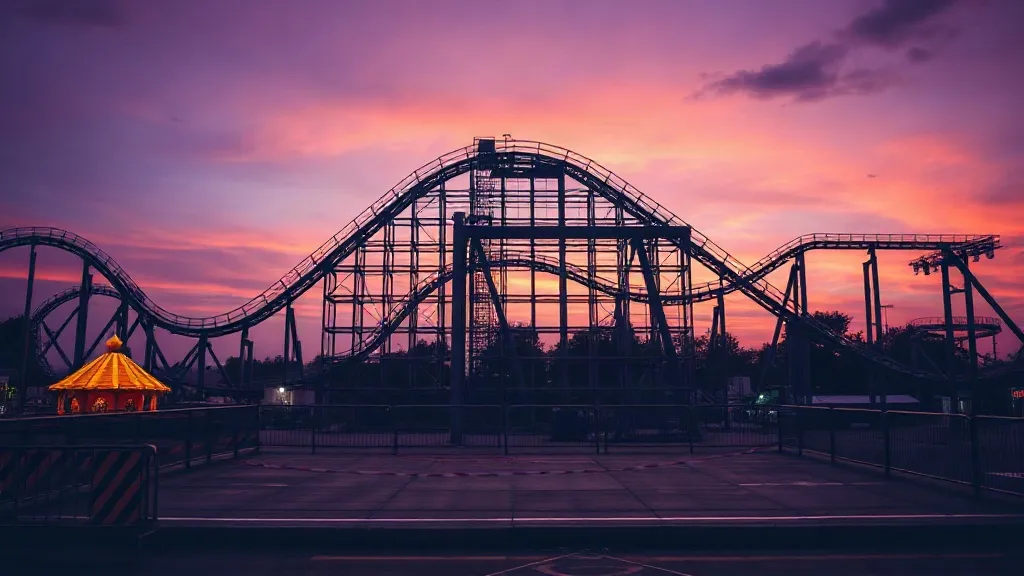
The amusement park industry was shaken this week when a fatal incident occurred at Six Flags Over Georgia, leaving one person dead and several others injured. The event took place on the Goliath roller coaster, a popular attraction known for its steep drops and high speeds. In the aftermath, Six Flags Entertainment Corporation has temporarily closed nine rides across six of its parks as a precautionary measure, pending thorough safety inspections. While authorities have not yet determined the cause of the death, the incident has raised questions about ride safety protocols and the broader implications for the theme park business.
What Happened at Six Flags Over Georgia?
Details are still emerging, but reports indicate that the incident occurred on the Goliath roller coaster at the Austell, Georgia park. The ride, which reaches speeds of up to 70 mph and features a 170-foot drop, is one of the park's flagship attractions. Emergency responders were called to the scene, but one person was pronounced dead, and several others sustained injuries. The exact nature of the injuries has not been disclosed, and the cause of the death remains under investigation.
Six Flags Over Georgia released a statement expressing condolences to the family and confirming that they are cooperating fully with local authorities. The park remained open, but the Goliath ride was immediately closed. In a related move, the company announced that similar rides at other Six Flags parks would be temporarily shuttered as a precaution. This includes nine rides across six parks, though the specific rides and parks have not all been named. The decision reflects a cautious approach, ensuring that no similar incidents occur elsewhere.
The Goliath Roller Coaster: A Profile
Goliath, a Bolliger & Mabillard (B&M) hypercoaster, debuted at Six Flags Over Georgia in 2006. It stands 200 feet tall, with a first drop of 170 feet and a top speed of 70 mph. It is a steel coaster with a classic out-and-back layout, featuring airtime hills and high-speed turns. Over the years, it has been a favorite among thrill-seekers, consistently ranking in industry polls. However, like all high-intensity rides, it undergoes regular maintenance and inspections. The incident has prompted scrutiny of the ride's maintenance records and operational procedures.
Immediate Aftermath: Ride Closures and Investigations
Following the incident, Six Flags moved swiftly to close not only Goliath but also other similar rides across its portfolio. According to a company spokesperson, the closures are a precautionary measure to allow for a comprehensive review of safety systems. The affected parks include Six Flags Over Georgia, Six Flags Great Adventure, Six Flags Magic Mountain, Six Flags Fiesta Texas, Six Flags Great America, and Six Flags America. The rides in question are primarily large-scale coasters, though the exact models have not been specified.
Local authorities, including the Cobb County Police Department and the Georgia Department of Labor's amusement ride safety division, have launched an investigation. They will examine the ride's mechanical systems, operational logs, and witness accounts. The National Transportation Safety Board (NTSB) is not typically involved in amusement ride incidents, but the state's oversight will be thorough. The park has pledged full cooperation.
Business Implications for Six Flags
This incident comes at a challenging time for Six Flags. The company has been navigating the post-pandemic recovery, with fluctuating attendance and financial pressures. In 2023, Six Flags merged with Cedar Fair, creating a combined entity that operates 42 parks across North America. The merger aimed to streamline operations and enhance profitability, but integrating two large companies is never seamless. Now, the incident threatens to disrupt operations and potentially impact revenue.
Ride closures, even temporary, can lead to reduced guest satisfaction and lower per-capita spending. Moreover, the negative publicity could deter visitors, especially families with young children. The stock market reaction was immediate: shares of Six Flags Entertainment Corp. dipped slightly following the news, though they recovered somewhat as the company emphasized its commitment to safety. Analysts will be watching closely to see if attendance drops in the coming weeks.
Beyond the immediate financial impact, the incident may prompt a broader review of safety regulations. Amusement parks are largely regulated at the state level, with varying standards. Some advocates argue for federal oversight, but the industry has historically resisted such moves, citing a strong safety record. According to the International Association of Amusement Parks and Attractions (IAAPA), the odds of being seriously injured on a fixed-site ride are about 1 in 15.5 million. However, incidents like this one remind the public that risks exist, however small.
Safety Protocols in the Amusement Park Industry
Amusement rides are subject to rigorous safety standards. Manufacturers like B&M design rides with multiple redundant safety systems, including restraints, brakes, and sensors. Parks conduct daily inspections before opening, and more thorough maintenance occurs weekly, monthly, and annually. In the U.S., state agencies often oversee ride safety, conducting their own inspections. For instance, Georgia's amusement ride safety program requires annual permits and inspections for each ride.
Despite these measures, accidents can happen. Mechanical failures, operator errors, and rider behavior are common factors. In this case, it is too early to determine the cause. The investigation will likely focus on whether the ride was functioning properly, if safety restraints were used correctly, and if there were any pre-existing conditions. The findings will be crucial for Six Flags and the industry as a whole.
What This Means for Park Visitors
For thrill-seekers, the incident is a sobering reminder that amusement rides, while engineered for safety, are not without risk. It is essential to follow all safety instructions, secure restraints properly, and report any discomfort or concerns to staff. If you have plans to visit Six Flags or any amusement park soon, check the park's website or social media for updates on ride availability. The closures are temporary, but they may affect your itinerary.
Six Flags has stated that it will reopen the rides only after ensuring they meet all safety standards. The company is also offering counseling services to employees and guests affected by the incident. As a gesture of goodwill, some parks may offer refunds or rebooking options for guests who had planned to ride the closed attractions. It's advisable to contact customer service if you have specific concerns.
The Road Ahead: Rebuilding Trust
Six Flags has faced its share of challenges in recent years, from financial restructurings to the pandemic. This incident adds another layer of complexity. How the company handles the aftermath will be critical. Transparent communication, thorough investigations, and visible safety enhancements can help rebuild trust. The amusement industry as a whole will be watching, as any major incident can lead to increased regulatory scrutiny and changes in public perception.
In the long term, Six Flags may need to invest more in safety technology and training. Some parks have adopted advanced monitoring systems that track ride performance in real-time, predicting maintenance needs before failures occur. Such investments could prevent future incidents and demonstrate a commitment to guest safety. However, they come at a cost, and the company must balance safety with profitability.
Frequently Asked Questions
What exactly happened on the Goliath roller coaster?
Authorities have not released specific details, but the incident resulted in one fatality and several injuries. The ride was immediately closed, and an investigation is underway to determine the cause.
Which rides and parks are affected by the closures?
Nine rides across six Six Flags parks have been temporarily closed. This includes Goliath at Six Flags Over Georgia and similar high-thrill coasters at other locations. The company has not disclosed the full list, but it is likely to include other B&M hypercoasters.
Is it safe to visit Six Flags parks right now?
Yes, the parks remain open, and other rides are operating normally. The closed rides are undergoing inspections. Guests should check the park's website for the latest updates on ride availability.
How common are fatalities on amusement park rides?
Fatalities are extremely rare. According to industry data, the odds of a serious injury on a fixed-site ride are about 1 in 15.5 million. However, any incident is one too many, and parks continually work to improve safety.
What compensation can affected guests expect?
Six Flags has not announced a blanket compensation policy, but guests with tickets for closed rides may be eligible for refunds or alternative arrangements. It's best to contact the park directly for specific inquiries.