
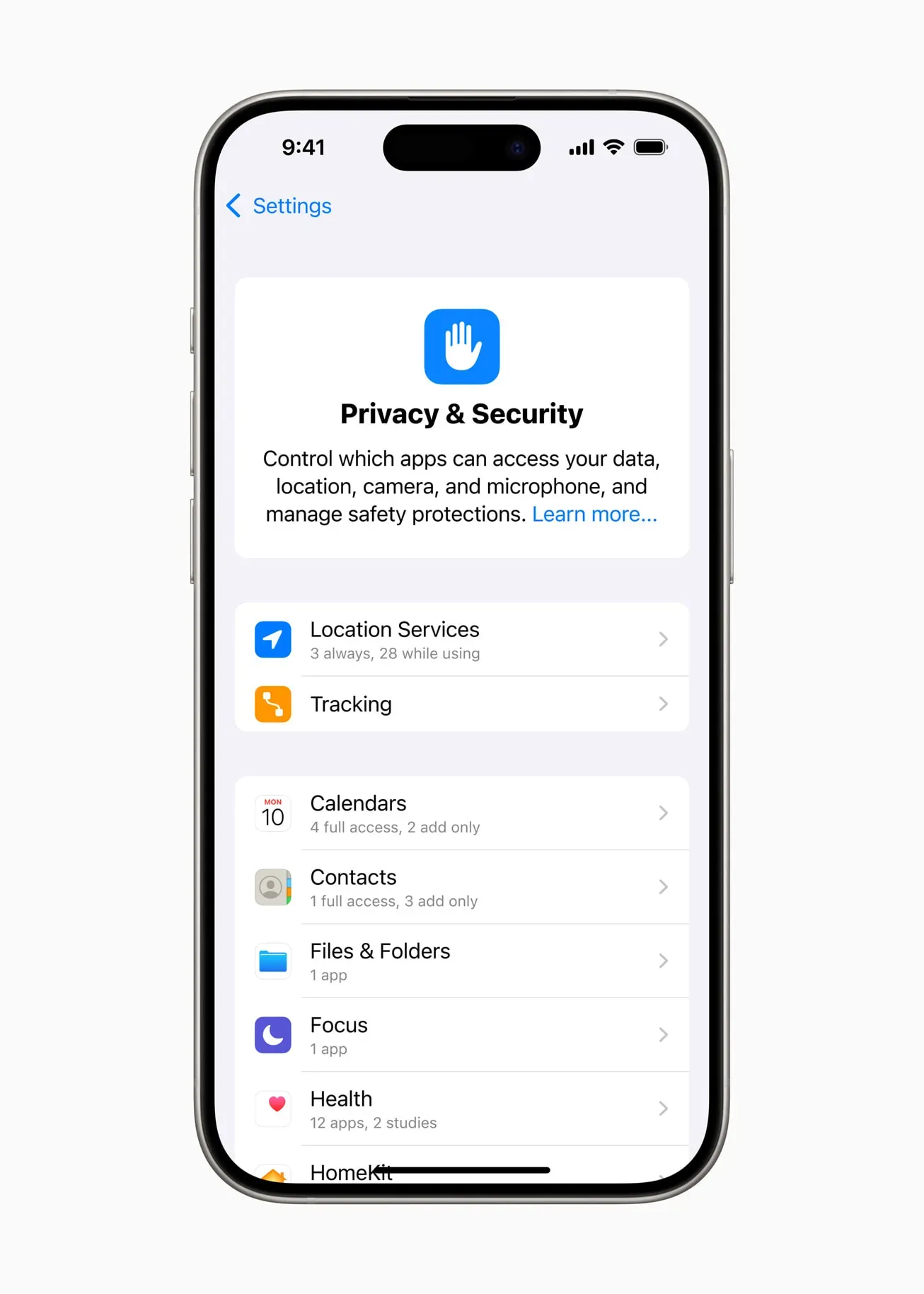
Security and Privacy Apps are redefining how individuals protect their digital lives, turning security from a niche concern into everyday practice, guiding people to act with awareness and intention. These tools blend encryption, threat monitoring, and permissions control to help you manage risk on the go, and they are especially effective when you rely on mobile data protection apps to shield sensitive information on smartphones, tablets, and wearables. For desktop users, privacy apps for desktop offer anti-tracking, secure browsing, and password management, creating a complementary layer that reduces exposure across laptops and workstations, and extends privacy into work networks and shared devices. Together, these solutions help you keep secure data on mobile devices and at rest, so personal files, messages, and backups stay private even if a device is lost or stolen, or compromised by malware. By choosing reputable tools, enabling strong authentication, and adopting a layered protection strategy, you can build a resilient privacy posture that supports safer online interactions and more confident data sharing in both personal and professional life.
Security and Privacy Apps: Layered Protection for Mobile Data and Desktop Privacy
Security and Privacy Apps create a layered shield that spans mobile and desktop ecosystems. On mobile, mobile data protection apps help safeguard personal information and minimize what apps can access, while on desktop, privacy protection software reduces online tracking and protects files. Together, these tools act as data security apps that guard data at rest and in transit, offering a cohesive defense across sites, apps, and services.
On mobile devices, the focus is on controlling app permissions, encrypting data, and securing communications—embodied in the promise to keep data secure on mobile devices. On desktop, the emphasis shifts to anti-tracking, robust password management, and full-disk encryption. This cross-cutting approach ensures you have a strong privacy posture wherever you work or browse.
A layered approach—pairing Security and Privacy Apps on both mobile and desktop—offers the best odds of preventing data breaches and reducing exposure to online threats. This integrated strategy aligns with practical daily use, balancing security with usability across your digital life.
Choosing and Using Security and Privacy Apps: Filters, Audits, and Cross-Platform Harmony
Selecting the right tools requires focusing on encryption, transparent data handling, and cross-platform compatibility. Look for data security apps that provide strong encryption, secure storage, and cross-device syncing, alongside privacy protection software with clear third-party security audits. For many users, evaluating privacy apps for desktop that integrate with browsers and email clients is essential for a seamless privacy experience.
Practical usage tips help you derive real value from these tools. Audit permissions on mobile to limit access, enable strong authentication and password management, and ensure backups are encrypted. Use end-to-end encrypted communications for sensitive conversations, keep software up to date, and review privacy policies to understand data collection and retention. With cross-platform harmony, you can maintain a consistent privacy standard across devices while relying on independent reviews and credible certifications.
Frequently Asked Questions
What makes Security and Privacy Apps essential for securing data on mobile devices, and which features define top mobile data protection apps?
Security and Privacy Apps reduce risk by protecting data on mobile devices, guarding data at rest and in transit, and preventing unauthorized access. When evaluating mobile data protection apps, look for: • Strong encryption for stored data and communications • Access control with biometrics and multi-factor authentication • Privacy controls to audit and limit app permissions • Secure communications with end-to-end encryption for messages and calls • Safe browsing, anti-tracking, and malware protection • Encrypted backups and device-wide protection • Transparent privacy disclosures and independent security audits. To maximize protection, regularly audit permissions, enable 2FA, use a password manager, keep software updated, and review app privacy policies.
How do privacy protection software for desktop differ from mobile data protection apps, and why should you use privacy apps for desktop to curb online tracking?
Desktop privacy protection software focuses on privacy controls, anti-tracking, browser hardening, and secure integration with desktop apps, complementing mobile data protection apps. Key benefits of privacy apps for desktop include reduced online tracking, anti-fingerprinting features, cookie management, encrypted backups, and secure password management across your PC or Mac. Features to prioritize include: • Anti-tracking, anti-fingerprinting, and cookie controls • Privacy-conscious browser configurations and sandboxing • Encrypted backups and seamless password management that works with browsers and files • End-to-end encryption options for desktop messaging and file transfers • Secure, cross-platform syncing for a consistent privacy experience. Choose tools with clear privacy policies, independent security certifications, and good interoperability with your browsers and operating systems.
| Aspect | Key Points |
|---|---|
| Definition and Purpose |
|
| Mobile vs Desktop Focus |
|
| Why You Need Both |
|
| Core Capabilities |
|
| Practical Ways to Use Today |
|
| Choosing the Right Security and Privacy Apps |
|
| Myths Debunked |
|
| Daily Privacy Routine |
|
| Real Value of Security and Privacy Apps |
|
Summary
Security and Privacy Apps offer a practical, layered defense for modern digital life. By differentiating mobile data protection apps from desktop privacy tools, you can tailor protection to where threats appear most. A layered approach—protecting both mobile and desktop devices—reduces exposure to data breaches, trackers, and unauthorized access. Core capabilities such as encryption, access control, privacy management, secure communications, anti-tracking, and reliable backups form the backbone of a resilient security posture. When used consistently, these tools help you maintain control over personal information, secure communications, and everyday online activities across devices. By evaluating tools against independent reviews, transparent privacy policies, and cross-platform compatibility, you can build a safer, more private digital routine. Embracing Security and Privacy Apps empowers users to defend what matters and foster a privacy-conscious lifestyle.