
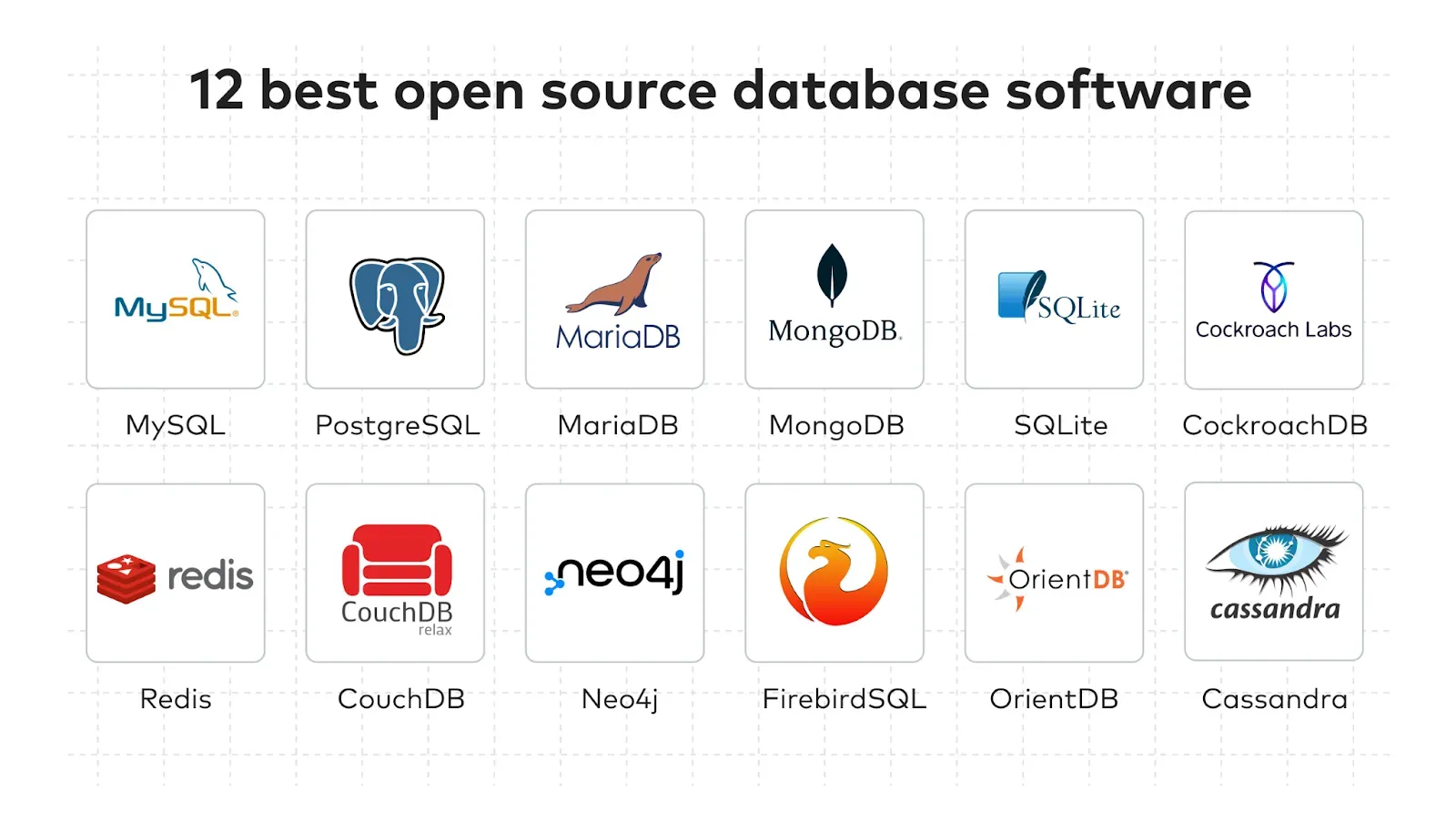
Open-Source Software is transforming how individuals, startups, and enterprises build and deploy technology. These dynamics reveal the benefits of open-source software, including licensing flexibility, collaborative problem solving, and reduced vendor lock-in. However, there are risks that teams must manage through governance, security practices, and ongoing maintenance. A practical path to adoption aligns with existing workflows and compliance requirements, enabling faster value realization. With careful attention to licensing, security, and governance, organizations can maximize value from this model.
Put simply, open source software, also called FOSS, community-driven code, or shared-source projects, drives transparent collaboration across teams. From an LSI perspective, related concepts include transparency, licensing models, and security considerations that influence how organizations approach this paradigm. This approach supports flexibility, supplier independence, and resilient ecosystems of contributors that sustain long-term viability. By aligning governance, licensing clarity, and proactive security practices with business needs, organizations can harness the benefits of this collaborative paradigm.
Open-Source Software: Benefits of Open-Source Software for Cost, Agility, and Innovation
The benefits of Open-Source Software are driving transformation for individuals, startups, and enterprises alike. Open-Source Software delivers cost flexibility and total ownership, since many components are free to use, modify, and distribute. While there are still costs related to integration, support, and maintenance, OSS often reduces upfront licensing expenses and vendor lock-in, enabling teams to scale more freely. Beyond cost, OSS accelerates innovation by providing access to source code, enabling customization, rapid issue resolution, and contributions back to the project. This collaborative model often leads to faster feature delivery and a broader ecosystem of tools and plugins. The transparency of openly available code also builds trust with stakeholders, security researchers, and compliance teams who can observe behavior and verify quality. Finally, OSS supports agility and vendor independence, letting organizations adapt components to changing needs and avoid being constrained by a single supplier. The result is a strong, active community and ecosystem that shortens onboarding time and expands troubleshooting resources.
To maximize these advantages, teams should follow a practical path to getting started with open-source that balances speed with governance. Establish lightweight policies, maintain a Software Bill of Materials (SBOM), and implement ongoing vulnerability scanning to manage licensing and security risk as part of the open-source program. Select projects with active governance and robust communities, and evaluate licensing terms (MIT, Apache 2.0, GPL, copyleft) for compatibility with your product structure and distribution model. Define clear ownership, maintainership, and security champion roles, and set expectations for upgrade cadences and incident response. This governance approach preserves the benefits of open-source adoption while reducing friction, enabling scalable usage across product development, data platforms, and cloud infrastructures. It also encapsulates the core ideas behind how to get started with open-source in a way that aligns with typical teams’ workflows and compliance requirements.
Risks and Practicalities: How to Get Started with Open-Source Software While Mastering Open-Source Licensing and Security
While the benefits are compelling, there are notable risks to consider when adopting Open-Source Software. Security and supply-chain risk can arise from dependencies that carry vulnerabilities if not continuously monitored, especially in projects with many transitive dependencies. Licensing and compliance complexity varies across MIT, Apache, GPL, and copyleft models, which can expose organizations to legal and distribution constraints if not properly understood. Support and maintenance gaps may appear when projects rely on community contributions rather than a dedicated vendor, potentially delaying critical fixes or feature releases. Quality and governance variability also exists—some OSS projects have mature processes, while others lack formal roadmaps or sufficient maintainers. Finally, compatibility and integration risks can surface as runtimes, tooling, or platform versions evolve, sometimes requiring significant refactoring to keep systems current.
If you’re wondering how to get started with open-source in a way that mitigates these risks, a structured plan helps. Begin by defining objectives and the scope of the problem you want to solve, then inventory and assess candidate projects for maturity, community activity, release cadence, and documentation quality. Review licenses and ensure policy alignment with your distribution model and internal guidelines; involve legal or compliance experts when needed. Establish governance and security practices by assigning owners and security champions, maintaining SBOMs, and implementing automated vulnerability scanning and dependency management. Pilot a small, well-scoped project to validate feasibility, performance, and integration considerations, then plan for long-term maintenance, including upgrade strategies and potential vendor support. This practical pathway mirrors the core steps of how to get started with open-source and emphasizes open-source licensing and security as foundational disciplines.
Frequently Asked Questions
What are the benefits of open-source software for organizations (benefits of open-source software)?
Open-Source Software delivers cost flexibility and potential total ownership by reducing upfront licensing costs, while enabling faster innovation through access to source code and contributor collaboration. It also offers transparency and trust since code is publicly inspectable, enhances agility and vendor independence by allowing component swaps, and is supported by a strong community and ecosystem that accelerates onboarding and provides troubleshooting resources and best practices.
How should organizations approach open-source licensing and security when getting started with open-source software (open-source licensing and security and getting started with open-source)?
Adopt a practical, phased approach: define objectives and scope, inventory and assess candidate OSS projects, review licenses and compliance, and establish lightweight governance and security practices (SBOMs, vulnerability scanning, and regular dependency updates). Run a pilot to measure feasibility and impact, plan for long-term maintenance, and document policies for licensing, security, and governance. Key focus areas include ensuring license compatibility and implementing robust licensing and security controls from the outset.
| Aspect | Summary | Key Takeaways |
|---|---|---|
| Benefits of Open-Source Software | OSS offers cost flexibility, accelerated innovation, transparency, agility, and a strong community that supports collaboration and ecosystem growth. | • Reduces upfront licensing costs and vendor lock-in • Accelerates feature delivery and customization through access to source code • Builds trust via transparent security and quality practices • Enables agility and multi-vendor interoperability • Leverages a broad ecosystem and community resources to shorten onboarding and accelerate adoption }...]},{ |
Summary
Open-Source Software table generated to summarize the base content in English. The table captures the major benefits, risks, starter steps, licensing and security considerations, governance, project selection, a practical adoption roadmap, case studies, myths, and best practices, providing a concise, structured reference for OSS decision-making.