
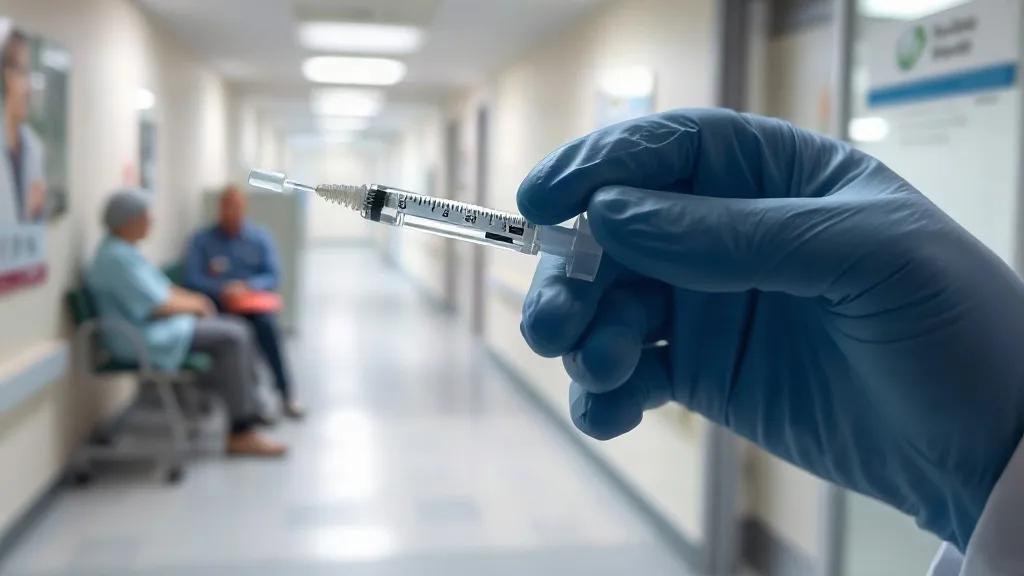
When the first wave of advanced weight loss medications received approval for NHS use, many hoped it would mark a turning point in the fight against obesity. Yet new data suggests that access in Scotland remains extremely limited. According to a BBC investigation, fewer than 800 people in Scotland have received weight loss injections through the NHS. This figure is startlingly low, especially when compared to the scale of obesity in the country, where nearly two-thirds of adults are overweight or obese.
The BBC's findings also reveal that only five of Scotland's 14 health boards currently offer these treatments specifically for weight loss. This means that the majority of health boards are not providing the service, leaving many patients without access to what could be a life-changing intervention.
The Promise of Weight Loss Injections
Drugs such as semaglutide (Wegovy) and liraglutide (Saxenda) have generated significant excitement in the medical community. These medications, known as GLP-1 receptor agonists, work by mimicking a hormone that regulates appetite and food intake. Clinical trials have shown that they can help people lose up to 15% of their body weight when combined with diet and exercise. For individuals struggling with severe obesity, these injections can be transformative, reducing the risk of type 2 diabetes, heart disease, and other obesity-related conditions.
The NHS in England has been quicker to roll out these treatments, with thousands of patients receiving prescriptions through specialist weight management services. In Scotland, however, the picture is quite different. The low number of patients treated suggests that the infrastructure and funding needed to deliver these therapies are not yet in place.
Why Are So Few Scots Getting the Jabs?
There are several reasons for the low uptake. First, not all health boards have the capacity to prescribe these medications. Weight loss injections are typically recommended for people with a BMI of 35 or higher (or 30 with other risk factors) and are meant to be used alongside a reduced-calorie diet and increased physical activity. This requires a multidisciplinary approach, including dietitians, psychologists, and specialist doctors. Many health boards simply lack the resources to set up such services.
Second, there is a question of funding. These medications are expensive, costing several hundred pounds per patient per month. While the NHS has negotiated discounts, the upfront costs can be prohibitive for cash-strapped health boards. In Scotland, where the NHS is already under significant pressure, allocating funds for weight loss injections may not be a top priority.
Third, there may be a hesitancy among some clinicians to prescribe these drugs. Some doctors argue that lifestyle changes should be the first line of treatment, and that medications should be reserved for those who have not responded to other interventions. Others worry about potential side effects, such as nausea, vomiting, and pancreatitis, although these are relatively rare.
The Impact on Patients
For people living with obesity, the lack of access to these treatments can be devastating. Many have tried countless diets and exercise programmes without success. For them, weight loss injections represent a ray of hope. Being told that the treatment is not available can feel like a door slamming shut.
Consider the case of a 45-year-old woman from Glasgow with a BMI of 38. She has struggled with her weight for years and has developed type 2 diabetes. Her GP referred her to a weight management service, but she was told that the waiting list was over a year long and that the service did not prescribe GLP-1 agonists. She cannot afford to pay privately, so she remains in limbo, at risk of further health complications.
This scenario is not uncommon. The BBC's investigation highlights that many patients are being left behind, despite the availability of effective treatments. The disparity between health boards means that where you live can determine whether you can access these drugs, creating a postcode lottery.
What Needs to Happen?
To improve access, several steps are necessary. First, the Scottish Government needs to provide clear guidance and funding to health boards so that they can establish weight management services that include pharmacotherapy. This could involve ring-fenced budgets or national procurement to reduce costs.
Second, health boards should be encouraged to share best practices. Some boards, such as NHS Greater Glasgow and Clyde, have managed to set up services, and their models could be replicated elsewhere. Training for healthcare professionals is also essential, as many GPs may not be familiar with the latest evidence on these medications.
Third, there needs to be a broader conversation about the role of weight loss injections in obesity care. While they are not a magic bullet, they can be a valuable tool when used appropriately. Stigma around obesity and its treatment must be addressed, so that patients feel supported rather than judged.
Looking Ahead
The BBC's findings serve as a wake-up call. With obesity rates continuing to rise, the need for effective interventions is more urgent than ever. The NHS in Scotland must find a way to make these treatments available to those who need them most. Otherwise, the country risks failing a large segment of its population.
Of course, weight loss injections are not the only solution. Prevention, through healthy eating and physical activity, remains crucial. But for those already living with obesity, these medications can be a lifeline. It is time for Scotland to step up and ensure that no one is left behind.
Frequently Asked Questions
What are weight loss injections and how do they work?
Weight loss injections, such as semaglutide (Wegovy) and liraglutide (Saxenda), are medications that mimic the GLP-1 hormone, which regulates appetite and food intake. They work by slowing down digestion and reducing hunger, leading to decreased calorie consumption and weight loss.
Who is eligible for NHS weight loss injections in Scotland?
Eligibility criteria vary, but generally, these treatments are recommended for adults with a BMI of 35 or higher, or a BMI of 30 with weight-related health conditions such as type 2 diabetes. They are prescribed alongside a reduced-calorie diet and increased physical activity.
Why are so few people receiving these treatments in Scotland?
The low uptake is due to a combination of factors, including limited availability of specialist weight management services, funding constraints, and varying policies across health boards. Only a minority of health boards currently offer these treatments for weight loss.
Can I get weight loss injections privately?
Yes, private clinics offer these medications, but they can be expensive, costing several hundred pounds per month. Some people may choose this route if they can afford it, but it is not an option for everyone.
What should I do if I want to access weight loss injections on the NHS?
Speak to your GP about a referral to a weight management service. If your health board does not offer the treatment, you may need to advocate for better access or consider private options if feasible. Joining a support group or campaigning for improved services can also help.