
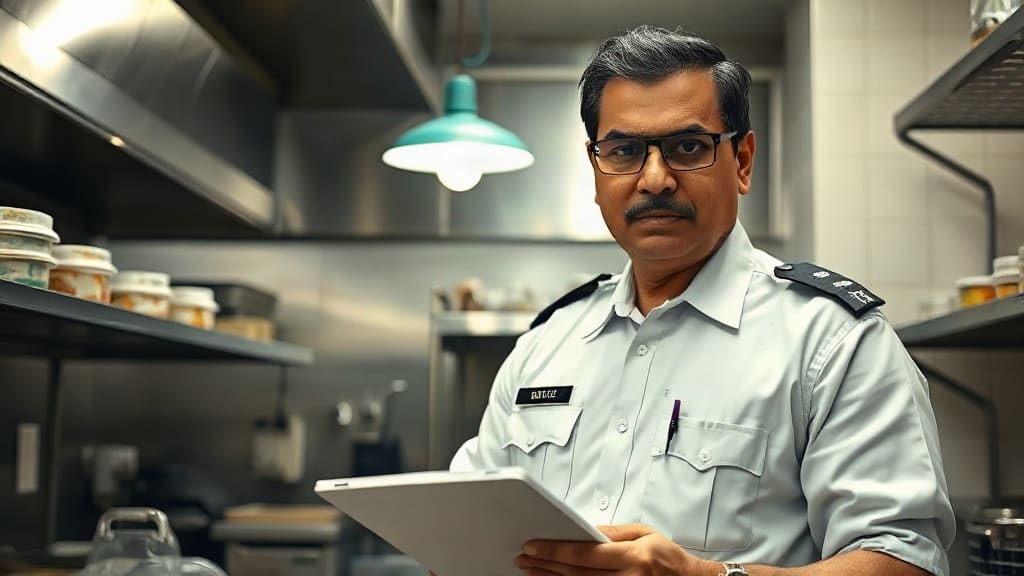
In an era where social media fame often seems reserved for dancers, comedians, and influencers, the latest Indian internet sensation is an unlikely figure: a food safety officer armed with a checklist, a stern expression, and an unwavering commitment to public health. Tukaram Mundhe, a Food Safety Officer in Maharashtra, has become a viral phenomenon after videos of his surprise restaurant inspections began circulating online. His no-nonsense approach, dramatic discoveries, and unapologetic dedication to hygiene have turned him into a household name, sparking debates about food safety standards across the country.
Mundhe's rise to fame is not the result of a carefully crafted PR campaign. Instead, it is the raw, unfiltered reality of his inspections that has captivated millions. Armed with a camera or accompanied by local media, he walks into restaurants, hotels, and street food stalls, and what he finds often shocks viewers. From cockroaches in kitchens to expired ingredients and unhygienic storage practices, his inspections expose the dark underbelly of India's food service industry. His firm, often confrontational style has earned him both praise and criticism, but one thing is certain: he has started a conversation that was long overdue.
The Making of a Viral Sensation
The videos that catapulted Mundhe to fame show him conducting inspections with military precision. Dressed in his official uniform, he arrives unannounced, checks licenses, examines storage areas, and tests food samples. His interactions with restaurant owners range from polite but firm to outright confrontational. In one widely shared clip, he discovers a rat-infested kitchen and immediately orders the establishment to shut down. In another, he finds food being prepared in unsanitary conditions and reprimands the staff on camera. These moments, raw and unscripted, are exactly what social media users crave.
What sets Mundhe apart is not just what he finds, but how he handles it. He does not shy away from confrontation, nor does he accept bribes or excuses. In a country where corruption and lax enforcement are common complaints, his integrity is refreshing. Viewers see him as a hero fighting a system that often turns a blind eye to public health violations. His catchphrases, such as "yeh kya hai?" (what is this?) and "band karo" (shut it down), have become memes, further cementing his status as a pop culture icon.
Why India's Food Safety Crisis Needs a Hero
India's food safety record is, to put it mildly, troubling. The Food Safety and Standards Authority of India (FSSAI) has repeatedly flagged issues ranging from adulteration to poor hygiene in restaurants and street food. A 2019 report by the FSSAI found that nearly 40% of food samples tested failed quality standards. Street food, a beloved part of Indian culture, is often prepared in conditions that would make a health inspector's hair stand on end. Yet, for millions of Indians, these risks are simply part of daily life. The lack of consistent enforcement has bred a culture of complacency among food vendors, who know that the chances of being caught are slim.
Mundhe's inspections are a wake-up call. They show that the problem is not just in remote villages but in urban restaurants and hotels that serve thousands of customers daily. His viral videos have forced people to confront an uncomfortable truth: the food they eat may not be safe. This realization has sparked a demand for more rigorous inspections and harsher penalties for violators. In a sense, Mundhe has become the face of a movement for food safety reform, even if unintentionally.
The Power of Social Media in Driving Accountability
Mundhe's fame is a testament to the power of social media as a tool for accountability. Before the internet, a food safety officer's work was largely invisible to the public. Inspections happened behind closed doors, and reports were filed in dusty government offices. Today, a single video can reach millions within hours, turning a local official into a national figure. This visibility has a dual effect: it pressures authorities to act and empowers citizens to demand better standards.
The viral nature of Mundhe's videos has also inspired other officials to adopt similar tactics. Across India, food safety officers are now documenting their inspections and sharing them online, hoping to replicate his success. This trend, while positive in intent, raises questions about the fine line between genuine enforcement and publicity stunts. Critics argue that some officials may prioritize dramatic footage over thorough inspections, potentially compromising the quality of their work. However, for now, the overall impact seems positive: more inspections, more closures of unsafe establishments, and more awareness among consumers.
The Human Side of the Story
Behind the stern exterior, Mundhe's story is one of dedication and personal conviction. He has spoken about the challenges of his job, including threats from powerful restaurant owners and the emotional toll of witnessing unsanitary conditions. Yet, he remains undeterred. His commitment to public health is rooted in a simple belief: every citizen deserves safe food. This message resonates deeply with ordinary Indians who have long felt powerless against corrupt officials and negligent businesses.
Mundhe's viral fame has also brought him personal challenges. He has faced backlash from some quarters, including accusations of harassment and overreach. Some restaurant owners claim his inspections are unnecessarily aggressive and that he targets small businesses unfairly. These criticisms, however, have done little to dent his popularity. If anything, they have reinforced his image as a fearless crusader willing to take on powerful interests.
What Comes Next?
The long-term impact of Mundhe's viral fame remains to be seen. Will it lead to systemic change in India's food safety enforcement? Or will it fade as another internet sensation? The answer likely lies somewhere in between. While one officer cannot single-handedly fix a broken system, his visibility has created momentum. Consumers are more aware, officials are more active, and politicians are taking notice. There have been calls for stricter food safety laws and increased funding for inspection agencies. Whether these calls translate into action will depend on sustained public pressure.
For now, Tukaram Mundhe continues his inspections, one restaurant at a time. His videos remain a mix of entertainment and education, offering viewers a glimpse into a world they rarely see. He may not have asked for fame, but he has used it to shine a light on an issue that affects every Indian. In doing so, he has become more than a viral star; he has become a symbol of hope for a safer, healthier future.
Frequently Asked Questions
Who is Tukaram Mundhe and why is he famous?
Tukaram Mundhe is a Food Safety Officer in Maharashtra, India, who gained viral fame through videos of his aggressive restaurant inspections. His no-nonsense approach and discovery of severe hygiene violations have made him a social media star and a champion for food safety.
What kind of violations does Tukaram Mundhe typically find during inspections?
Mundhe's inspections often uncover cockroaches, rats, expired food, unclean cooking areas, and improper storage. He also checks for valid licenses and adherence to FSSAI guidelines. His findings highlight widespread negligence in India's food service industry.
Has Tukaram Mundhe's viral fame led to any concrete changes in food safety enforcement?
While specific policy changes are not yet confirmed, his videos have increased public awareness and pressured authorities to act. Other food safety officers have begun sharing their own inspections online, and there is growing demand for stricter enforcement and penalties.
Why do some people criticize Tukaram Mundhe's methods?
Critics argue that his inspections can be overly aggressive and may unfairly target small businesses. Some claim he focuses on creating dramatic footage rather than conducting thorough, fair inspections. However, his supporters believe his tough stance is necessary to force compliance.
How can consumers protect themselves from unsafe food in India?
Consumers can look for FSSAI licenses displayed at restaurants, check hygiene ratings if available, and report violations to local authorities. Supporting initiatives like Mundhe's and demanding accountability from food vendors are also important steps. Awareness and vigilance are key to driving change.