
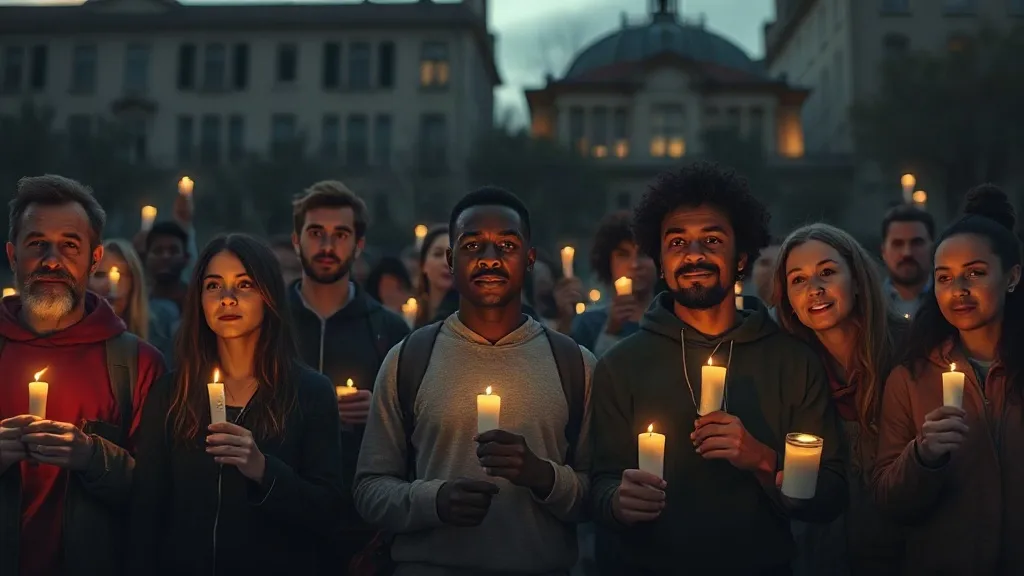
Newly released Home Office statistics have sent a shockwave through communities and policymakers alike: hate crimes in England and Wales have reached their highest level ever recorded. In the year ending March 2026, police logged 146,825 hate offences, a 7% increase from the previous year. But behind that headline figure lies a more troubling story of rising religious hatred, particularly against Muslim and Jewish communities.
The data, published this week, shows that offences targeting Muslims rose by 15%, from 4,479 to 5,132, the largest jump among all monitored categories. Antisemitic hate crimes also climbed by 10%, reaching 3,162 incidents. These are not just abstract numbers; they represent real people facing abuse, intimidation, and violence because of their faith.
The Numbers Behind the Record High
Hate crime in England and Wales has been on an upward trajectory for several years, but the latest figures mark a new peak. The 146,825 offences recorded in the 12 months to March 2026 cover a range of motivations, including race, religion, sexual orientation, disability, and gender identity. While racial hate crimes remain the most common, the sharpest increases were seen in religiously motivated offences.
The 15% rise in anti-Muslim hate crimes is particularly stark. It follows a series of high-profile incidents, including protests outside mosques and online campaigns that have fuelled division. Similarly, the 10% increase in antisemitic incidents comes amid ongoing tensions in the Middle East and a reported surge in online antisemitism.
These figures are not isolated to England and Wales; they mirror trends in other parts of Europe and North America. However, the UK’s comprehensive reporting system, which requires police forces to flag hate crimes, provides a detailed snapshot that other countries often lack.
Why Are Hate Crimes Rising?
Experts point to a combination of factors. First, there is the role of social media and online echo chambers, which can amplify extremist views and normalise hostility towards minority groups. Second, political rhetoric around immigration and national identity has, in some cases, emboldened individuals with prejudiced views. Third, global events, such as conflicts in the Middle East, can trigger spikes in hate crimes against Jewish and Muslim communities.
“We are seeing a perfect storm,” says Dr. Amina Khan, a criminologist at the University of Manchester. “Economic uncertainty, political polarisation, and the rapid spread of misinformation online have created an environment where hate crimes can flourish. The fact that we’re seeing record numbers is a wake-up call.”
It’s also important to note that improved reporting mechanisms may contribute to higher figures. Victims are more aware of their rights and more willing to come forward, and police forces have become better at identifying and recording hate crimes. While this is a positive development, it also means the true scale of the problem may have been underestimated in the past.
The Human Cost
Behind every statistic is a personal story. Take, for example, a 32-year-old Muslim woman from Birmingham who was verbally abused and spat at while walking home from work. She reported the incident to the police, but like many victims, she felt the response was inadequate. “I was told they would look into it, but I never heard back,” she says. “It makes you feel like you don’t matter.”
Such experiences are echoed across the country. Jewish communities have reported a rise in vandalism of synagogues and mezuzahs, while Muslims have faced attacks on mosques and Islamic centres. These acts not only harm individuals but also instil fear in entire communities, leading to increased security measures and a sense of isolation.
What Is Being Done?
The UK government has pledged to tackle hate crime through a combination of law enforcement, community engagement, and education. In 2025, the Home Office launched a new strategy to combat hate crime, including funding for community groups and a review of sentencing guidelines. However, critics argue that these measures are insufficient.
“We need a more robust response,” says David Feldman, director of the antisemitism watchdog group Hope Not Hate. “That means not only punishing perpetrators but also addressing the root causes: inequality, lack of social cohesion, and the spread of extremist ideologies online.”
Some police forces have set up specialist hate crime units and are working with community leaders to build trust. But resources are stretched, and many victims still feel let down by the system. The challenge is to ensure that reporting leads to action and that communities feel protected.
The Role of Technology
Technology plays a dual role in this issue. On one hand, social media platforms have been criticised for failing to curb hate speech and allowing extremist content to spread. On the other, technology can be part of the solution: data analytics can help police identify hotspots and predict where hate crimes are likely to occur, while apps and online portals make it easier for victims to report incidents.
However, relying on technology alone is not enough. “We need a holistic approach,” says Khan. “That includes better education in schools, fostering interfaith dialogue, and ensuring that tech companies are held accountable for the content on their platforms.”
What Can You Do?
If you witness a hate crime, it’s crucial to act. Here are some steps you can take:
- Report it: Contact the police or use a third-party reporting centre. Even if you’re not the victim, you can report what you saw.
- Support the victim: Offer help and let them know they’re not alone. Sometimes a simple gesture of solidarity can make a difference.
- Educate yourself and others: Learn about the issues facing different communities and challenge prejudice when you see it.
- Advocate for change: Support organisations that work to combat hate crime and push for policies that promote equality.
Hate crime is not just a criminal justice issue; it’s a social one. The record numbers should serve as a catalyst for action, not despair. By understanding the data and the stories behind it, we can work towards a society where everyone feels safe and valued.
Frequently Asked Questions
What exactly counts as a hate crime?
A hate crime is any criminal offence that is motivated by hostility or prejudice based on a person’s race, religion, sexual orientation, disability, or gender identity. It can include verbal abuse, physical assault, vandalism, and online harassment.
Why have hate crimes increased so much in the past year?
There is no single cause, but factors include the rise of far-right rhetoric, global conflicts, economic hardship, and the amplifying effect of social media. Improved reporting also plays a role, as more victims come forward.
Are hate crimes against Muslims and Jewish people treated equally by police?
Police are required to treat all hate crimes with equal seriousness. However, community groups have raised concerns about inconsistencies in response and the need for better training. The data shows both communities are facing significant rises, but the increase is sharper for anti-Muslim offences.
What should I do if I experience a hate crime?
Report it to the police as soon as possible. You can also contact organisations like Tell MAMA or the Community Security Trust for support. Preserve any evidence, such as messages or images, and seek medical help if needed.
How can I help reduce hate crime in my community?
Start by being an active bystander: if you see something, say something. Support local interfaith initiatives, educate yourself about different cultures, and vote for policies that promote social cohesion. Small actions can lead to big changes.