
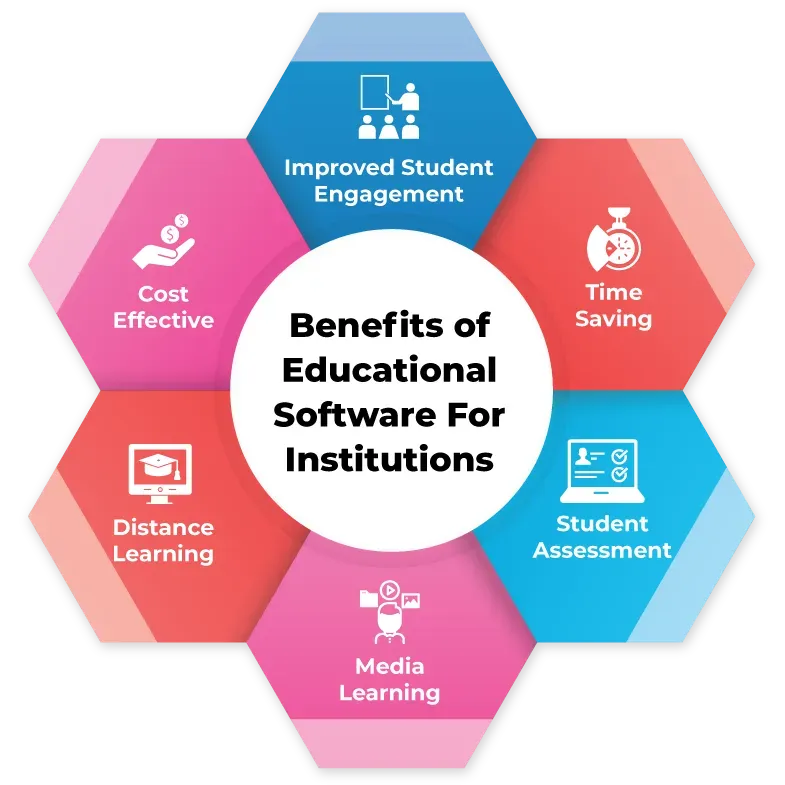
Education software is more than a collection of apps; it's a strategic asset that reshapes how teachers deliver instruction and how students engage with content. When schools invest in education software solutions, they select tools that personalize learning, streamline administration, and extend learning beyond the classroom. The right education software enables teachers to differentiate instruction, supports diverse learners, and brings together edtech tools for teachers, classroom software, and digital learning tools into a cohesive, data-informed learning environment. In this descriptive overview, we’ll outline how to choose software for education that truly empowers both teachers and learners, with practical steps for implementation and adoption. Optimized for search, the opening discussion foregrounds the core benefits of education software and related tools—education software solutions, classroom software, digital learning tools, and others in the educational technology tools family.
Viewed through an LSI lens, the discussion shifts to learning platforms, instructional technology, and classroom ecosystems as the core carriers of digital instruction. Other terms—LMS, educational software suites, and digital education tools—describe the same goal of coordinating content, assessment, and feedback at scale. Ultimately, schools assess education technology tools, open educational resources, and analytics dashboards as interconnected parts of a cohesive instructional technology strategy.
Education Software in Modern Classrooms: Leveraging edtech tools for teachers
Education software is more than a collection of apps; it’s a strategic asset that shapes how teachers deliver instruction and how learners engage with content. In modern classrooms, education software solutions empower educators with edtech tools for teachers, robust classroom software, and rich digital learning tools that support personalized learning, timely feedback, and data-informed decisions. By connecting instruction, practice, and reflection in a cohesive digital environment, schools can differentiate learning paths and extend engagement beyond the classroom.
When selecting tools, prioritize interoperability with learning management systems (LMS) and student information systems (SIS), strong privacy protections, and clear analytics dashboards that translate data into actionable supports. Classroom software with adaptive features and educational technology tools enables teachers to monitor mastery, adjust pacing, and collaborate with families—helping turn ongoing assessment into meaningful feedback and continuous improvement. In this way, education software solutions support both teachers and learners across diverse contexts.
Choosing Education Software Solutions: A Practical Guide to Digital Learning Tools and Classroom Software
Choosing education software solutions requires careful alignment with curriculum standards, equity goals, and teacher workflows. Evaluate features such as accessibility, offline capability, privacy safeguards, and integrations with existing systems. Look for digital learning tools and content hubs that offer high-quality resources, open educational resources (OER), and content creation capabilities that fit well with classroom software and edtech tools for teachers.
To realize impact, implement with pilots, professional development, and governance. Involve educators and learners early, define success metrics, and establish data governance to protect student privacy. A thoughtful rollout of education software solutions—paired with scalable training and ongoing support—can unlock personalized learning, collaboration, and real-time feedback while supporting sustainability and growth.
Frequently Asked Questions
What is Education software and how can it support personalized learning with edtech tools for teachers?
Education software is a cohesive suite of digital tools—including learning management systems (LMS), classroom software, digital learning tools, and analytics—that supports teaching and learning. It enables personalized learning by delivering adaptive tasks, curated resources, and real-time progress data. To implement well, choose tools that integrate with your LMS and SIS, protect student privacy, and provide accessible experiences. For adoption, run a focused pilot with clear success metrics (engagement, mastery), provide professional development, and establish a feedback loop.
What should schools consider when selecting education software solutions to maximize impact with classroom software and digital learning tools?
When selecting education software solutions, prioritize alignment with standards, data privacy (FERPA/GDPR), interoperability, analytics, and high-quality content. Look for easy integrations with LMS/SIS, robust assessment and feedback features, accessibility and offline options, and scalable pricing. An effective adoption plan includes involving teachers and students, running a small pilot, establishing governance, delivering training, and measuring outcomes such as engagement, mastery, and completion rates.
| Key Point | Details |
|---|---|
| Definition of Education software | Digital tools that improve teaching and learning, spanning LMS, classroom software, digital learning tools, assessment platforms, content creation apps, and analytics dashboards. They should align with curricular goals, support equitable access, protect student privacy, and integrate with existing systems such as SIS and other educational platforms, forming ecosystems that connect instruction, practice, feedback, and reflection. |
| Why schools invest | Personalization and differentiation; enhanced collaboration; real-time assessment and feedback; administrative efficiency; accessibility and inclusion. |
| Key features to evaluate | User experience and accessibility; privacy and security; interoperability and integrations; analytics and reporting; assessment and feedback; content quality; collaboration and communication; personalization and adaptive learning; offline and low-bandwidth options; pricing and scalability. |
| Categories of Education software | LMS; classroom software and collaboration platforms; digital learning tools and content creation apps; assessment and feedback tools; student information systems (SIS) and analytics; open educational resources (OER) and content hubs; accessibility-first tools. |
| How to choose for your context | 1) Define learning goals and outcomes; 2) Involve educators and learners early; 3) Pilot and iterate; 4) Prioritize privacy, security, and ethics; 5) Plan for integration; 6) Support and training; 7) Measure impact. |
| Implementation and adoption best practices | Clear rollout plan; professional learning; governance structures; build a feedback loop; ensure equitable access; communicate goals and progress. |
| Practical example | A middle school piloting Education software with a classroom platform integrated to the district LMS, a 6-week pilot, weekly feedback, metrics on engagement and mastery, targeted micro-lessons for struggling students, data-driven instructional adjustments, and district-wide scaling with ongoing PD and privacy review. |
| Future trends | Personalization/adaptive learning; AI-assisted tutoring and feedback; open ecosystems and interoperability; data-informed decision making; inclusive design and accessibility. |
Summary
Education software is a strategic driver of modern learning environments, shaping how teachers deliver instruction and how learners engage with content. As schools navigate digital transformation, thoughtful selection, piloting, and ongoing professional development ensure that Education software supports equitable access, privacy, and interoperability while enhancing personalization, collaboration, and data-informed decision making. By focusing on goals and stakeholder input, districts can deploy Education software that transforms classrooms into dynamic, inclusive spaces where every student can thrive.