
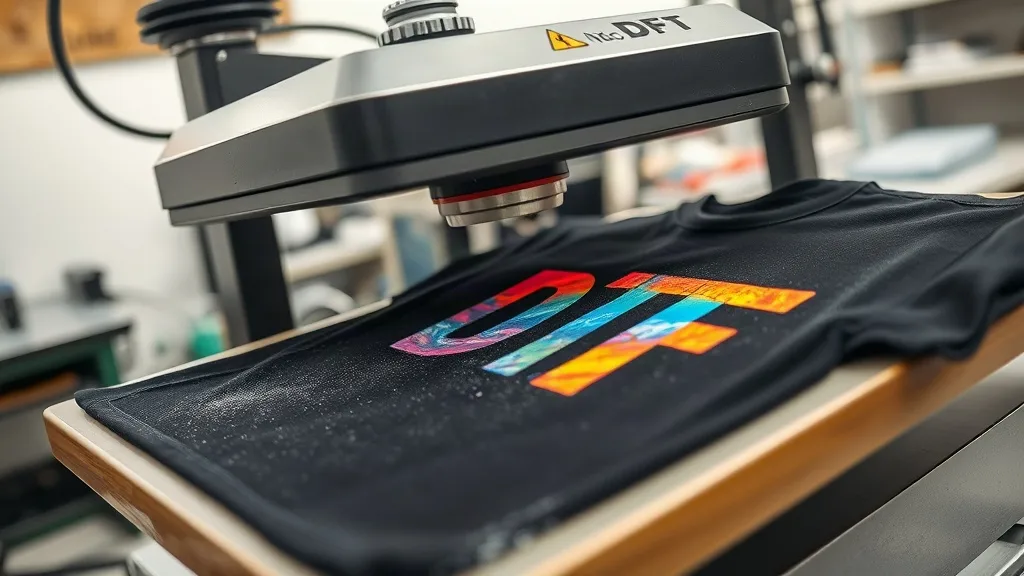
Imagine pressing a button and watching a vibrant, full-color design materialize on a t-shirt in minutes. That's the magic of dtf printing, a technology that's turning heads in the custom apparel world. Unlike traditional methods that require multiple steps and specialized equipment, dtf transfers streamline the process, making it accessible for small businesses, hobbyists, and large-scale operations alike. In this guide, we'll dive deep into what DTF transfers are, how they work, and why they might be the perfect solution for your next project.
What Are DTF Transfers?
DTF stands for Direct-to-Film. It's a printing technique where your design is printed onto a special film, coated with adhesive powder, and then heat-pressed onto a garment. The result is a soft, stretchable, and durable print that can adhere to a wide range of fabrics, including cotton, polyester, blends, and even leather. Unlike DTG (Direct-to-Garment) printing, which requires pretreatment and works best on 100% cotton, DTF transfers offer unmatched versatility.
How DTF Transfers Work: A Step-by-Step Breakdown
Understanding the DTF process helps you appreciate its simplicity and effectiveness. Here's what happens from digital file to finished product:
- Design Preparation: Your artwork is prepared in a graphics program, ensuring it's mirrored and sized appropriately. The printer uses CMYK plus white ink to create vibrant colors.
- Printing onto Film: A DTF printer prints your design onto a PET film. The white ink layer is crucial for opacity on dark fabrics.
- Powder Application: While the ink is still wet, a thermoplastic powder is applied evenly over the design. Excess powder is shaken off.
- Curing: The film passes through a heat source (like a heat press or oven) to melt the powder, creating a adhesive layer that will bond with the fabric.
- Heat Pressing: The film is placed on the garment and pressed with a heat press at specific temperature and pressure for a set time.
- Peeling: After pressing, the film is peeled off (hot or cold peel depending on the film type), leaving the design adhered to the fabric.
This process can be done in-house with a DTF printer and supplies, or you can order pre-made dtf transfers from specialized providers and simply press them onto your products.
Why Choose DTF Transfers? Key Benefits
DTF transfers have surged in popularity for good reason. Here are the standout advantages:
- Fabric Versatility: Works on cotton, polyester, nylon, leather, and more. No need for different techniques for different materials.
- No Pretreatment: Saves time and eliminates the need for expensive pretreatment equipment.
- Vibrant Colors: The white ink base allows for bright, opaque prints on dark garments without fading.
- Durability: When applied correctly, DTF prints withstand repeated washing without cracking or peeling.
- Cost-Effective for Short Runs: Ideal for small batches or one-off custom items, as there's no minimum order quantity.
- Soft Feel: The prints are flexible and stretch with the fabric, providing a comfortable wear.
DTF vs. Other Printing Methods
How does DTF stack up against traditional printing techniques? Let's compare:
DTF vs. Screen Printing
Screen printing is cost-effective for large orders but requires separate screens for each color and is labor-intensive for complex designs. DTF excels in full-color, detailed designs and short runs, with no setup costs.
DTF vs. DTG
DTG works best on 100% cotton and often requires pretreatment. DTF handles a wider range of fabrics and doesn't need pretreatment, though DTG can be faster for single items on cotton.
DTF vs. Vinyl
Heat transfer vinyl (HTV) is great for simple designs but limited in color gradients and fine details. DTF allows for photorealistic images and unlimited colors.
Applications of DTF Transfers
From custom t-shirts to branded workwear, DTF transfers are used in various industries:
- Fashion & Apparel: Create on-demand clothing with intricate designs.
- Sportswear: Add team logos and numbers that stretch with the fabric.
- Corporate Merchandise: Produce branded uniforms, bags, and caps.
- Personalized Gifts: Make custom items for birthdays, weddings, and events.
Getting Started with DTF Transfers: Tips for Success
If you're ready to dive into DTF printing, here are practical tips to ensure quality results:
- Invest in Quality Equipment: A reliable DTF printer and heat press are essential. Don't skimp on these.
- Use Compatible Supplies: Match your film, powder, and ink to your printer for optimal performance.
- Master the Press Settings: Temperature, pressure, and time vary by fabric and film type. Always test first.
- Store Transfers Properly: Keep unused films in a cool, dry place to prevent moisture damage.
- Practice Peeling: Learn whether your film requires hot or cold peel to avoid ruining the design.
Frequently Asked Questions About DTF Transfers
How long do DTF transfers last?
With proper application and care, DTF transfers can last 50+ washes without significant fading or cracking. Following washing instructions (inside out, cold water, no bleach) extends longevity.
Can I use DTF transfers on dark colors?
Absolutely! DTF printing uses a white ink base, so designs pop on dark fabrics. The white layer ensures opacity and vibrant colors.
Do I need a special printer for DTF?
Yes, you need a DTF printer that uses DTF inks and can print white. However, you can also order pre-printed transfers from suppliers and just use a heat press.
What fabrics work best with DTF?
DTF works on almost any fabric, including cotton, polyester, blends, leather, and nylon. It's one of the most versatile printing methods available.
Is DTF printing cost-effective for small businesses?
Yes, especially for small batches. There's no minimum order, and you can print on demand, reducing inventory waste.
Final Thoughts
DTF transfers are a game-changer for anyone in the custom apparel business. Whether you're a startup or an established brand, the flexibility, durability, and vibrant results make it a worthy addition to your production toolkit. By understanding the process and following best practices, you can deliver high-quality products that impress customers and keep them coming back. So why not give DTF a try? Your next custom creation could be just a press away.