
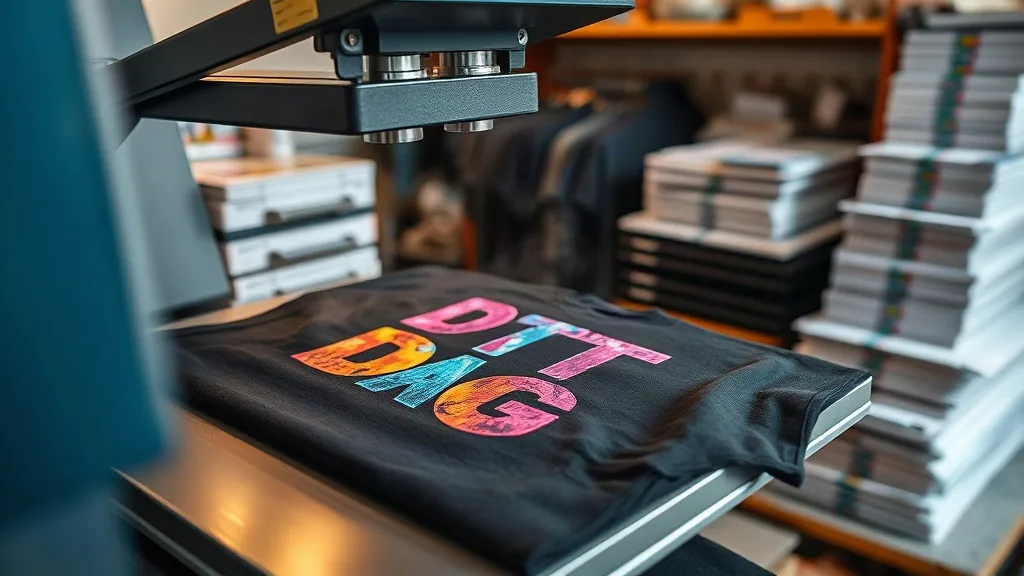
When it comes to custom apparel printing, one technology has been making waves for its versatility and stunning results: dtf transfers. Unlike traditional methods that require specific fabrics or complex setups, DTF (Direct to Film) printing offers a straightforward way to transfer intricate designs onto a wide range of materials. Whether you're a small business owner looking to offer custom t-shirts or a hobbyist wanting to personalize gifts, understanding DTF transfers can open up a world of creative possibilities. In this guide, we'll walk you through everything you need to know about DTF transfers, from the basic process to advanced tips, so you can achieve professional-quality results right from your home or workshop.
What Are DTF Transfers?
DTF transfers are a type of heat transfer that involves printing a design onto a special film, coating it with adhesive powder, and then using a heat press to apply it to a garment. The magic of DTF lies in its ability to bond with both natural and synthetic fabrics, including cotton, polyester, and blends. This sets it apart from other methods like DTG (Direct to Garment) or sublimation, which often have limitations on fabric types. With dtf transfers, you can print on dark colors, light colors, and even unusual materials like canvas or leather with remarkable detail and vibrancy.
The process begins with a digital design, which is printed onto a PET film using specialized DTF inks. These inks are typically pigment-based and include a white layer that allows the design to show up on dark garments. After printing, a thermoplastic powder is applied to the wet ink, and the film is cured. Once cured, the transfer is ready to be applied using a heat press. The result is a soft, stretchable, and durable print that can withstand repeated washing without cracking or fading.
The DTF Printing Process Step by Step
To truly appreciate DTF transfers, it helps to understand each stage of the process. Here's a breakdown of the steps involved:
- Design Preparation: Start with a high-resolution image. Since DTF can reproduce fine details, ensure your design is at least 300 DPI. Remember to mirror the image horizontally before printing, as the film will be flipped when applied.
- Printing: Load the PET film into a DTF printer. The printer lays down a layer of white ink first (if needed), followed by the colored inks. This white base is crucial for opacity on dark fabrics.
- Powder Application: While the ink is still wet, apply the thermoplastic powder evenly over the printed area. Shake off any excess.
- Curing: Place the film in a curing oven or under a heat source to melt the powder. This creates a adhesive layer that will bond with the fabric.
- Transfer: Set your heat press to the recommended temperature (usually around 160°C or 320°F) and pressure. Place the transfer on the garment and press for 10-15 seconds.
- Peel: After pressing, allow the transfer to cool completely before peeling off the film. This cool peel method ensures the design stays intact.
Each step requires attention to detail, but with practice, you can streamline the process and produce consistent results. Many professionals find that DTF transfers offer a sweet spot between the quality of screen printing and the convenience of digital printing.
Why Choose DTF Transfers Over Other Methods?
If you're wondering whether DTF is right for your projects, consider these advantages:
- Fabric Versatility: Works on cotton, polyester, blends, and even treated leather. No need for pre-treatment like with DTG.
- Vibrant Colors: DTF inks produce bright, opaque prints that pop on any background.
- Durability: When applied correctly, DTF prints resist cracking, peeling, and fading, even after multiple washes.
- Cost-Effective for Small Runs: Unlike screen printing, which requires setup costs per color, DTF is economical for short runs and one-offs.
- No Weeding: Unlike vinyl, there's no tedious weeding process, saving time and reducing waste.
- Soft Hand Feel: The prints are thin and flexible, so they don't feel heavy or plastic-like.
These benefits make DTF a favorite among custom apparel businesses, especially those that offer personalized products. For instance, a small shop selling custom baby onesies can use DTF to print intricate patterns without worrying about the fabric type. Similarly, a sports team wanting matching jerseys with names and numbers can rely on DTF for quick turnaround and vibrant results.
Common Challenges and How to Overcome Them
While DTF is user-friendly, beginners often encounter a few hurdles. Here are some common issues and solutions:
1. Adhesive Powder Not Sticking
If the powder doesn't adhere to the ink, it could be due to insufficient ink coverage or improper curing. Ensure your printer is laying down enough ink, and check that the powder is applied immediately after printing while the ink is wet. Also, verify that the powder is fresh and stored in a dry environment.
2. Transfer Peeling After Wash
This usually happens when the transfer wasn't pressed at the correct temperature or pressure, or if the garment wasn't properly pre-pressed to remove moisture. Always pre-press the garment for a few seconds to eliminate wrinkles and moisture. Use a heat press with consistent pressure, and follow the recommended settings for your specific film and powder.
3. Colors Appearing Dull
Dull colors can result from incorrect color profiles or inadequate white ink. Make sure your printer's ICC profile is set correctly for DTF printing. Also, ensure the white ink layer is thick enough, especially on dark garments. Sometimes, increasing the number of white ink passes can enhance opacity.
4. Film Sticking to the Press
If the film sticks to the heat press, it might be because the transfer was pressed for too long or at too high a temperature. Reduce the time or temperature slightly, and consider using a Teflon sheet or parchment paper between the press and the transfer.
By troubleshooting these issues, you'll quickly become proficient in DTF printing. Many online communities and forums offer additional support, and you can find plenty of tutorials on YouTube to guide you through specific problems.
Applications of DTF Transfers Beyond T-Shirts
While t-shirts are the most common canvas for DTF, the technology extends to many other items. Here are some creative applications:
- Hoodies and Sweatshirts: DTF works well on heavier fabrics and can handle large designs without feeling stiff.
- Tote Bags: Personalize canvas bags with logos or artwork for a unique accessory.
- Denim Jackets: Add patches or full-back designs to denim for a custom look.
- Sportswear: Jerseys, leggings, and performance wear benefit from DTF's stretchability and durability.
- Home Decor: Create custom pillow covers, aprons, and even wall hangings.
- Promotional Items: Businesses can print logos on uniforms, hats, and promotional giveaways.
The possibilities are nearly endless, limited only by your imagination. As the technology continues to evolve, we can expect even more innovative uses.
Tips for Achieving Professional Results with DTF Transfers
To get the best outcomes, follow these expert tips:
- Invest in Quality Equipment: A reliable DTF printer and heat press are essential. Cheaper models may lead to inconsistent results.
- Use High-Quality Inks and Films: Not all DTF supplies are created equal. Choose reputable brands to ensure vibrant colors and durable prints.
- Maintain Your Printer: Regular cleaning and maintenance prevent clogged nozzles and ensure smooth printing.
- Test Before Production: Always do a test print on a scrap fabric to check colors, adhesion, and feel.
- Store Transfers Properly: Keep unused transfers in a cool, dry place to prevent the powder from absorbing moisture.
- Follow Wash Instructions: Advise customers to wash garments inside out in cold water and avoid fabric softeners to prolong the life of the print.
By adhering to these practices, you'll consistently produce DTF transfers that look professional and stand the test of time.
Frequently Asked Questions About DTF Transfers
How long do DTF transfers last?
When applied correctly and cared for properly, DTF transfers can last as long as the garment itself. They resist cracking and fading for 50+ washes. However, improper washing (hot water, harsh detergents) can shorten their lifespan.
Can I use DTF transfers on 100% polyester?
Yes, DTF works beautifully on polyester. In fact, it's one of the few methods that adheres well to polyester without the dye migration issues seen with some other techniques. Just ensure you use low-temperature adhesive powder to avoid scorching.
Do I need a special printer for DTF?
You can convert a standard inkjet printer to use DTF inks, but for best results, a dedicated DTF printer is recommended. These printers are designed to handle the white ink and powder workflow efficiently.
What is the difference between DTF and DTG?
DTG (Direct to Garment) prints directly onto the fabric, while DTF prints onto a film first and then transfers to the fabric. DTF is more versatile with fabrics and often produces more vibrant colors on dark materials. DTG requires pre-treatment and works best on 100% cotton.
Can I stretch DTF prints?
Yes, DTF prints are stretchable and flexible, making them ideal for activewear. However, excessive stretching beyond the fabric's limits may cause cracking, so it's best to choose designs that don't require extreme elongation.
With this comprehensive guide, you're now equipped to dive into the world of DTF transfers. Whether you're looking to start a business or simply want to create custom items for personal use, DTF offers a reliable and creative avenue. Remember to practice, experiment, and enjoy the process of bringing your designs to life.