
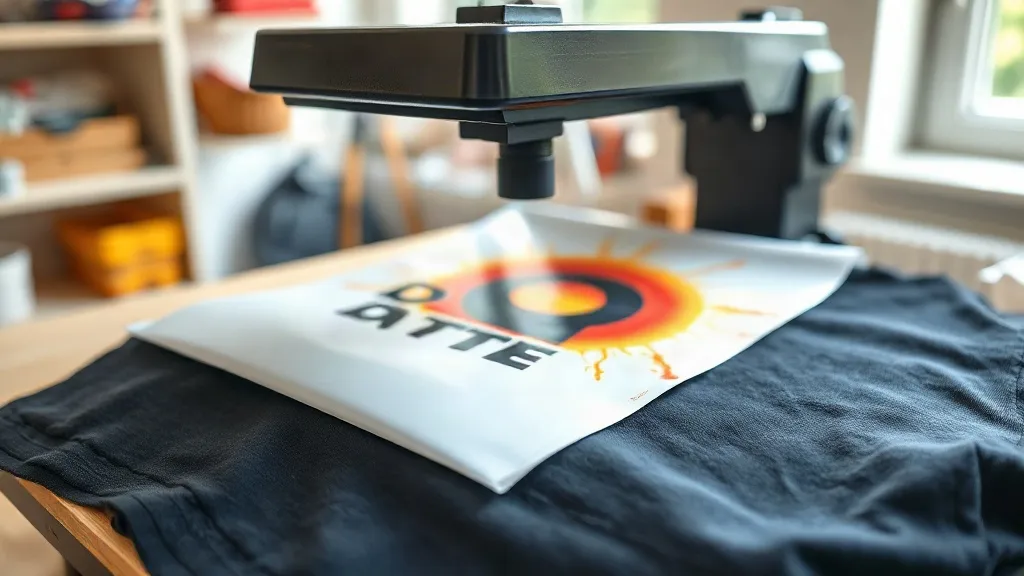
If you have ever tried to print a detailed, multi-colored design onto a dark t-shirt using traditional heat transfer paper, you know the frustration: cracking, fading, and that plastic-y feel. Enter dtf transfers, a game-changing technology that has taken the custom apparel world by storm. Unlike vinyl or sublimation, DTF (Direct to Film) printing offers unparalleled versatility, allowing you to transfer intricate designs onto almost any fabric, including cotton, polyester, and blends, without the need for pre-treatment or special coatings. In this guide, we will dive deep into what makes dtf transfers so special, how to use them effectively, and why they might just become your new favorite printing method.
What Are DTF Transfers?
DTF stands for Direct to Film. The process involves printing a design onto a special PET film using water-based inks, then applying a powder adhesive to the wet ink. Once the powder is cured, the film can be stored and later heat-pressed onto a garment. The result is a soft, stretchable print that bonds permanently to the fabric. Unlike DTG (Direct to Garment) which requires the garment to be pre-treated and is limited to cotton, DTF works on virtually any material. This opens up a world of possibilities for printing on nylon, leather, and even treated wood.
Why Choose DTF Transfers Over Other Methods?
There are several compelling reasons to consider dtf transfers for your next project:
- Versatility: Works on both light and dark garments, and on a wide range of fabrics.
- Durability: The prints resist cracking, peeling, and fading even after multiple washes.
- Detail: You can print fine lines, gradients, and photographic images with stunning clarity.
- No Weeding: Unlike vinyl, there is no tedious weeding process, saving you hours of labor.
- Cost-Effective: For small to medium runs, DTF can be more affordable than screen printing, especially for multi-color designs.
How to Apply DTF Transfers: Step-by-Step
Applying dtf transfers is straightforward, but following the correct steps ensures a professional, long-lasting result. Here is a detailed walkthrough:
1. Prepare Your Workspace and Materials
You will need a heat press, the DTF transfer itself, a garment, and a protective sheet (like parchment paper or Teflon). Ensure your heat press is set to the recommended temperature, usually between 325°F and 350°F (160°C to 175°C). Pre-press the garment for a few seconds to remove moisture and wrinkles.
2. Position the Transfer
Place the DTF transfer onto the garment with the printed side facing up. If your design is on a roll, cut it to size, leaving a small border. Use heat-resistant tape to hold it in place if needed.
3. Apply Heat and Pressure
Cover the transfer with your protective sheet. Press with medium to heavy pressure for 10-15 seconds. The exact time may vary depending on your press and the film manufacturer's instructions, so always test first.
4. Peel the Film
DTF transfers can be peeled either hot or cold. Most modern films are designed for cold peel, meaning you wait until the transfer cools down completely before peeling. This prevents the ink from stretching or smearing. Peel slowly and evenly.
5. Post-Press for Durability
For added durability, especially on stretchy fabrics, cover the print again and press for another 5-10 seconds. This helps the adhesive fully bond with the fibers.
Common Mistakes to Avoid with DTF Transfers
Even though DTF is forgiving, certain errors can ruin your print. Watch out for these:
- Insufficient Pressure: Without enough pressure, the transfer may not adhere properly, leading to peeling.
- Wrong Temperature: Too hot and the film may melt or the ink may scorch; too cold and the adhesive won't activate.
- Peeling Too Soon: If you peel while hot, the design can distort. Always check the film's peel type.
- Not Pre-Pressing: Moisture in the fabric can cause steam pockets, resulting in poor adhesion.
DTF vs. Other Printing Methods: A Quick Comparison
To help you decide, here is how DTF stacks up against DTG, screen printing, and vinyl:
- DTF vs. DTG: DTF works on more fabrics and doesn't require pre-treatment, but DTG can be more cost-effective for large runs on 100% cotton.
- DTF vs. Screen Printing: Screen printing is cheaper for bulk orders of simple designs, but DTF wins for complex, multi-color designs and small batches.
- DTF vs. Vinyl: Vinyl is limited to simple shapes and requires weeding; DTF handles full-color images with ease.
Tips for Long-Lasting DTF Prints
To ensure your DTF prints survive countless washes, follow these care tips:
- Wash the garment inside out in cold water.
- Avoid using bleach or fabric softeners.
- Tumble dry on low heat or hang dry.
- Do not iron directly on the print.
Frequently Asked Questions About DTF Transfers
Can I use DTF transfers on 100% polyester?
Absolutely. DTF transfers adhere well to polyester and polyester blends. However, because polyester is heat-sensitive, you should use a lower temperature (around 300°F) and test on a scrap piece first to avoid scorching.
How long do DTF transfers last?
With proper application and care, DTF transfers can last as long as the garment itself. They are known for their durability and resistance to cracking and fading, often outlasting vinyl and some screen prints.
Do I need a special printer for DTF?
Yes, DTF printing requires a dedicated DTF printer that uses specialized water-based inks and a powder shaker. However, if you don't want to invest in the equipment, you can purchase ready-to-press DTF transfers from suppliers like dtf transfers.
What is the difference between DTF and DTG?
DTF involves printing onto a film and then transferring to the garment, while DTG prints directly onto the garment. DTF works on more fabric types and doesn't require pre-treatment, but DTG can be more efficient for large orders on cotton.
Can I stretch DTF prints?
DTF prints have some stretchability, but they are not infinitely elastic. For highly stretchy fabrics like spandex, choose a DTF film designed for stretch and apply with a post-press to enhance flexibility.
Whether you are a hobbyist or a professional decorator, dtf transfers offer a versatile, durable, and high-quality solution for bringing your designs to life. With the right techniques and a bit of practice, you can achieve stunning results that impress your customers and elevate your brand.