
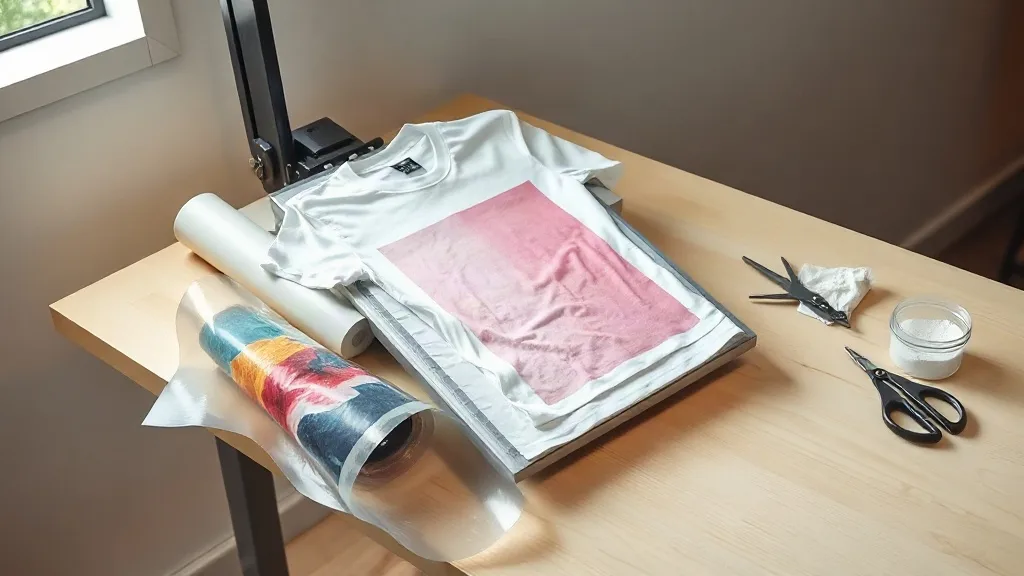
Walk into almost any small print shop these days and you will probably spot a roll of film and a heat press running hotter than it used to. That shift is largely thanks to dtf transfers, a printing method that lets almost anyone put a full-color, photo-quality design onto a cotton t-shirt without owning a screen printing setup or a closet full of vinyl rolls. If you have been curious about the method but not sure where the real pitfalls are, this guide walks through what matters in practice rather than what the marketing pages promise.
What a DTF Transfer Actually Is
Direct-to-film printing starts with a digital printer that lays pigment ink onto a special PET film. While the ink is still wet, a layer of hot-melt adhesive powder is applied and cured. What you end up with is a flexible, pre-printed sheet that can be stored for months and pressed onto fabric on demand. The film is the carrier, the powder is the glue, and the heat press is the only equipment you need at the point of sale.
The appeal is simple. Unlike vinyl, you are not weeding tiny letters out of a sheet. Unlike sublimation, you are not limited to polyester or light-colored garments. Unlike screen printing, you are not paying for a screen per color. A single dtf sheet can carry a photograph, a gradient, a dozen spot colors, or a design with fine white highlights, and it will press onto cotton, blends, canvas, and even some synthetics.
The Film, the Powder, and the Press
Three components decide whether your finished transfer looks crisp or muddy. The film needs to release cleanly, the powder needs an even coat, and the press needs consistent pressure. Most complaints about DTF come down to one of those three, not to the concept itself. If a design looks faded after washing, for example, the problem is usually under-cured powder or too little pressure during the press, not the ink.
Why So Many Shops Are Switching
The economics are hard to ignore for anyone doing short runs. A shop that prints ten shirts a week for a local team cannot justify screen setup costs, and vinyl layering for a multi-color logo is slow and error-prone. With DTF, the design is printed once, and each garment gets the same transfer pressed on in under a minute.
There is also the storage question. A box of transfers takes up far less space than racks of vinyl or a wall of screens, and it does not expire the way some plastisol inks do. For home-based sellers working out of a spare room, that footprint matters more than most people admit.
- No color limits and no per-color screen fees
- Works on cotton, poly blends, and most dark fabrics
- Designs can be printed ahead of time and pressed on demand
- No weeding, so fine details and small text stay intact
- Easy to outsource if you do not want to own a printer
What to Check Before You Buy Transfers
Not all transfers are created equal, and the differences show up after the first wash, not on the day of the press. When you are evaluating a supplier, look at a few specific things.
Ink Coverage and White Layer
Ask how the white layer is built. A proper DTF transfer uses a white ink base behind the color so the design stays vivid on dark shirts. If the white is too thin, the garment color will bleed through and the print will look washed out. If it is too thick, the transfer feels like a plastic patch. Good suppliers balance this, and many will send a sample so you can feel the difference yourself.
Powder Quality and Cure
The adhesive powder is what makes the transfer stick and survive washing. Cheap powder can leave a gritty texture on the surface or fail to bond at the edges, which is where peeling usually starts. A simple test is to press a sample, let it cool completely, and then stretch the fabric. If the edges lift, the powder or the press settings are off.
Film Release
After pressing, the film should peel away cleanly, either while hot or after cooling, depending on the film type. If the design tears or the ink pulls away with the film, the press temperature or dwell time needs adjusting. Reputable suppliers publish recommended settings for their specific film, and it is worth following them rather than guessing.
Pressing Settings That Actually Work
Most DTF failures trace back to the press, not the transfer. Temperature, pressure, and time all need to be consistent, and the fabric type changes the equation. As a starting point for cotton and cotton blends, many shops run around 150 to 160 degrees Celsius for 10 to 15 seconds to pre-press the garment, then press the transfer for another 10 to 15 seconds, and finally peel and do a short second press with a cover sheet.
Pressure matters as much as heat. A press that is too loose will not push the powder into the fabric fibers, and the transfer will sit on top like a sticker. A press that is too tight can cause the ink to spread or the film to wrinkle. If you are unsure, press a test shirt and check the edges first, since that is where problems appear earliest.
- Pre-press the garment for a few seconds to remove moisture and wrinkles
- Place the transfer with the printed side down on the fabric
- Press with firm, even pressure for the recommended time
- Peel the film according to the supplier's instructions
- Cover with parchment or a cover sheet and press again briefly
Wash Durability: Setting Realistic Expectations
A well-pressed DTF transfer on a properly prepared garment will typically hold up through dozens of wash cycles, but it is not indestructible. Washing inside out in cold water and tumble drying on low will extend the life of any heat-applied print. Avoid ironing directly over the design, and skip the bleach, which breaks down the adhesive over time.
If a customer reports peeling after a few washes, the cause is usually one of three things: the garment was not pre-pressed and moisture got trapped, the press was too cool, or the transfer was pressed over a seam or zipper. Tracking those details on your first few orders will save you a lot of refunds later.
Finding a Reliable Supplier
If you are searching for dtf transfers near me, the honest answer is that physical distance matters less than turnaround time and consistency. Many shops now order transfers online and have them delivered in a few days, which is often faster than driving to a local printer who may not stock the film you need.
What to look for instead: clear specifications on film type and powder, sample packs so you can test before committing, reasonable turnaround on gang sheets, and a supplier who answers questions about press settings. A shop that can explain why their white layer is built a certain way is usually a shop that has done the testing for you.
Common Questions From New DTF Users
Can I press DTF transfers onto polyester?
Yes, but with a lower temperature. Polyester can scorch or develop a sheen if pressed too hot, so drop the temperature by around 10 degrees and keep the dwell time short. Always test on a scrap piece of the same fabric before pressing a finished garment.
Do I need a commercial heat press or will a home iron work?
A home iron can work for occasional personal projects, but it is difficult to get even pressure and consistent temperature across the whole design. For anything you plan to sell, a proper heat press is the safer investment, even an entry-level model.
How long can I store unused transfers?
Stored flat, away from heat, moisture, and direct sunlight, most transfers stay usable for several months. Humidity is the main enemy, so keep them in a sealed bag if you live in a damp climate.
Why does my transfer look dull after washing?
Dullness usually points to under-curing, low press pressure, or washing at high heat. Try pressing a sample with slightly more pressure and a longer dwell time, then wash it inside out in cold water to see if the result improves.
Is DTF cheaper than screen printing?
For small runs, yes. For large runs of a single design, screen printing usually wins on per-unit cost. The break-even point depends on your volume and how many colors the design uses, so it is worth pricing both methods for your specific order before deciding.
DTF is not a magic solution, but it has lowered the barrier to entry for anyone who wants to print full-color designs on demand. Get the press settings right, buy from a supplier who can explain their materials, and test before you sell, and the method will hold up well in day-to-day production.