
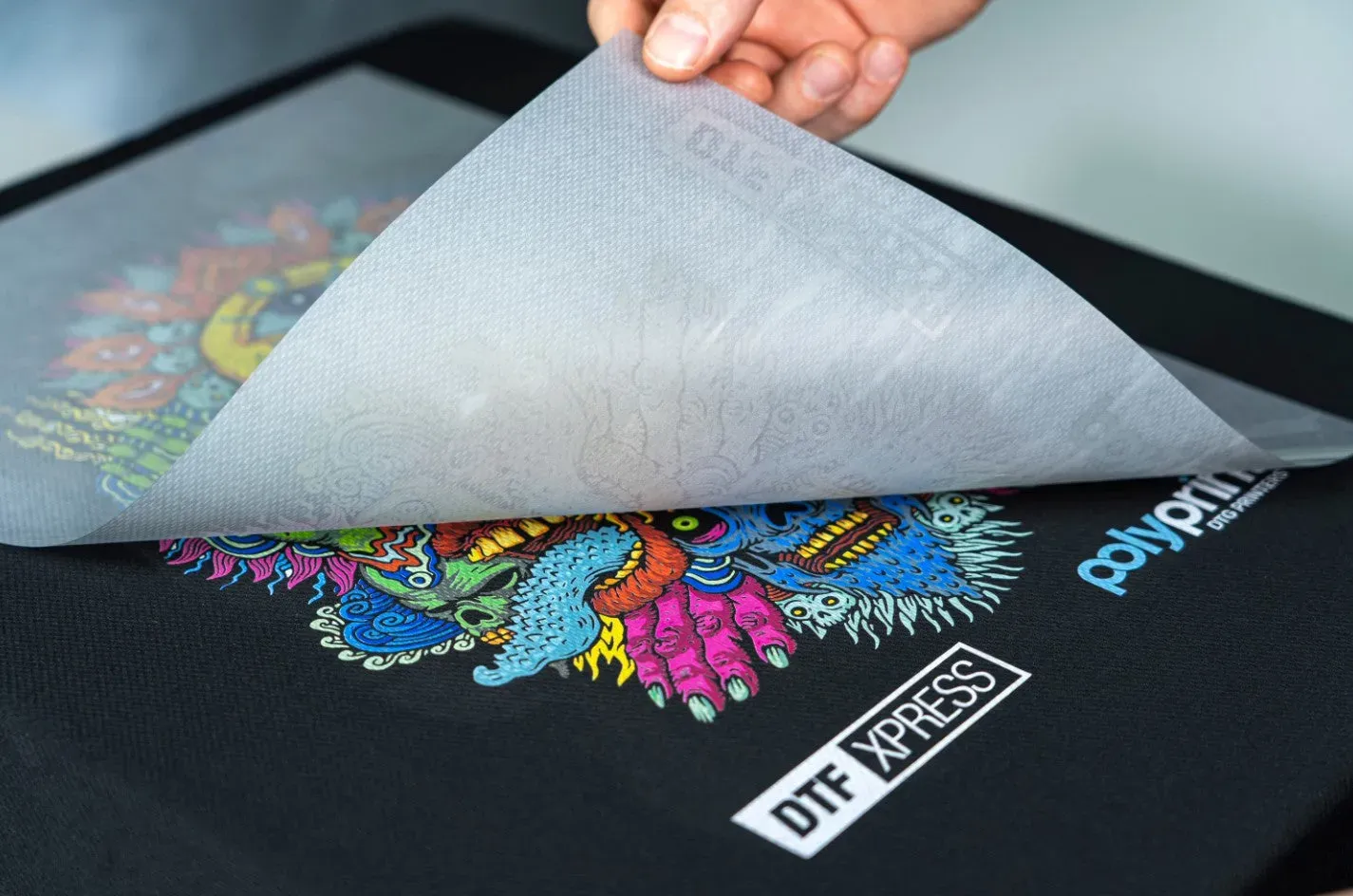
DTF transfers on dark fabrics demand careful planning to keep colors bold on black and navy garments. A well-executed white underbase for DTF is essential to provide opacity and prevent muted tones, especially for DTF printing on black t shirts. This guide focuses on color accuracy in DTF printing and practical steps to maintain faithful reproduction across fabrics. We’ll cover common pitfalls, troubleshooting DTF transfers, and best practices for consistent results. With a repeatable workflow, you can achieve crisp imagery on dark fabrics and expand your DTF capabilities.
Viewed through an alternative lens, the same workflow describes direct-to-film deployment on dark garments, where an opaque white layer creates a clean stage. In this framing, color integrity hinges on substrate prep, ink formulation, and precise curing, all while maintaining edge fidelity. Consider terms like underbase opacity, color management, and transfer reliability when working with black fabrics, navy fibers, or blends. A consistent print routine—calibrated color profiles, test swatches, and careful drying—helps translate digital design into durable, vibrant results. Ultimately, mastering this approach means treating each fabric as a distinct canvas and choosing the right settings to prevent halos and cracking.
DTF transfers on dark fabrics: mastering the white underbase for vibrant color
On dark fabrics, the white underbase is not optional — it serves as the bright, opaque canvas that allows every color layer to render true to the design. Without a solid underbase, tones can look muted, edges can blur, and details can disappear into the fabric’s own hue. Understanding how the underbase interacts with the fabric is essential for crisp imagery and reliable adhesion when printing on black and navy garments.
To achieve vibrant results, start with a repeatable underbase process. Focus on proper white ink formulation, accurate viscosity, and controlled layering. Ensure the underbase extends slightly beyond the color layer so edges stay sharp, and implement a consistent cure protocol to preserve opacity and prevent color shifting during heat transfer.
Optimizing white underbase for true color in DTF on dark garments
The white underbase is the foundation of color accuracy on dark substrates. A well-executed underbase prevents fabric color from interfering with the design, maintaining brightness and detail across the print. Practical practices include layering in thin passes, carefully controlling opacity, and ensuring the underbase coverage overlaps the color layer to avoid haloing.
For best results, calibrate the underbase process as part of a broader color-management workflow. Use the correct underbase thickness, extend coverage to deter edge bleed, and verify that curing is complete before laying down color. Regular testing helps you detect subtle shifts early and keep color intent intact.
Achieving color accuracy in DTF printing on black t shirts
Color accuracy in DTF printing on dark garments depends on how the white underbase, ink choices, and fabric interact. Since perceived color is a composite of the design, the base underprint, and the garment, deliberate color management is essential from design to print. Begin with a color-conscious approach to artwork and printer profiling to preserve hues as intended.
Implement a color-management workflow that uses CMYK or RGB-to-CMYK conversion aligned with device ICC profiles. Regular printer calibration, testing with target charts, and fabric-specific ICC profiles help stabilize gray balance, black points, and color gamut. Don’t skip color tests; small adjustments to gamma or saturation can dramatically improve on-dark readability and overall fidelity.
Troubleshooting DTF transfers on dark fabrics: common issues and fixes
Even with a solid workflow, issues can arise. Ghosting, misregistration, and haloing often trace back to underbase opacity or alignment problems. When colors appear faint or edges blur, increase underbase density slightly and recheck the garment alignment before pressing. A stable platen and garment jig can reduce variability and improve registration on dark substrates.
Washing can introduce color shift or edge degradation if curing or material compatibility is off. Revisit transfer conditions: ensure complete curing of both underbase and color layers, adjust curing temperature and time as needed, and verify fabric compatibility with the ink system. If cracking or peeling occurs, reduce underbase thickness and extend drying time to improve adhesion and durability.
Color management workflows: calibrating ICC profiles for dark fabrics
A robust color-management workflow hinges on substrate-specific ICC profiles and regular calibration. Tailor profiles to different dark fabrics (e.g., 100% cotton vs. blends) to keep colors consistent across orders. Use target charts and gray-balance verification to verify that the printer reproduces design intent on the actual substrate.
Integrate color tests into batch runs, printing small reference sheets that you compare against your digital reference. This practice helps you catch deviations in black-point, saturation, or hue before large runs. By maintaining disciplined profiling and device calibration, you preserve color accuracy in DTF printing on dark fabrics across production cycles.
Workflow best practices: transfer settings, curing, and post-transfer care for dark fabrics
A repeatable transfer workflow minimizes variables and stabilizes results. Establish consistent transfer parameters—temperature, time, and pressure—for your dye-sub or DTF transfer films. Layer order should be white underbase first, then the color layer, with careful handling to prevent misregistration on dark garments.
Post-transfer care and documentation complete the loop. Record exact settings that yielded successful results for each fabric and color combination, and share guidelines for customers on washing and drying to preserve vibrancy. By documenting testing outcomes, curing discipline, and edge handling techniques, you can scale production while maintaining professional finishes on dark fabrics.
Frequently Asked Questions
Why is the white underbase for DTF essential when performing DTF transfers on dark fabrics?
The white underbase is foundational for DTF transfers on dark fabrics. It provides opacity to keep colors true to design, improves adhesion, and prevents color from bleeding into the fabric. Practical steps include using the correct white ink formulation, calibrating underbase thickness to avoid cracking or light opacity, ensuring the underbase slightly extends beyond the color layer to prevent halos, and enforcing proper curing times to maintain adhesion.
How can you optimize color accuracy in DTF printing on dark fabrics?
To optimize color accuracy in DTF printing on dark fabrics, start with color-accurate designs and convert them to a working color space that matches your printer profile. Regularly calibrate the printer, build ICC profiles for the specific substrate, run color test prints, and adjust gamma, black point, and saturation as needed. Consider high-contrast color choices to maintain vibrancy against dark backgrounds.
What should you consider when doing DTF printing on black t shirts to maintain color vibrancy?
When printing on black t shirts, ensure the white underbase provides sufficient opacity before applying color. Use high-contrast color choices, verify color management workflows, maintain appropriate underbase thickness, and perform test prints to validate alignment and color appearance on the black fabric.
What are the most common troubleshooting DTF transfers issues on dark fabrics and how can you fix them?
Common issues include ghosting or faint colors (fix by increasing underbase opacity and verifying alignment), color shift after washing (recheck color profile and curing, possibly adjust curing temperature), cracking or peeling of the white underbase (reduce underbase thickness and ensure full curing), bleed on dark fabrics (check ink compatibility and fabric pre-wash), and misregistration (use stable platens and alignment marks, verify transfer placement).
What is a practical, repeatable workflow for DTF transfers on dark fabrics to ensure consistent results?
Adopt a repeatable workflow: design with a white underbase layer indicated in the file, print white underbase first followed by the color layer, ensure proper drying between layers, cure underbase fully before color application, follow transfer parameters (temp, time, pressure) validated by tests, and provide post-transfer care instructions to maintain color and adhesion.
What practical tips help with the white underbase on dark fabrics during DTF transfers?
Practical tips include layering the underbase with multiple thin passes for better opacity and reduced cracking, extending opacity around fine edges to prevent haloing, ensuring the underbase cures fully before the color layer, and adjusting color grading to account for the white underbase so final colors appear bright and true on dark fabrics.
| Topic | Key Points |
|---|---|
| White Underbase: Foundation of Opacity and Color |
|
| Color Management on Dark Fabrics |
|
| Printer & Substrate Considerations |
|
| Workflow for Consistent Results |
|
| Common Issues & Troubleshooting |
|
| Practical Tips for White Underbase |
|
| Quality Assurance & Testing |
|
| Closing Thoughts |
|
Summary
HTML table explaining key points about DTF transfers on dark fabrics.