
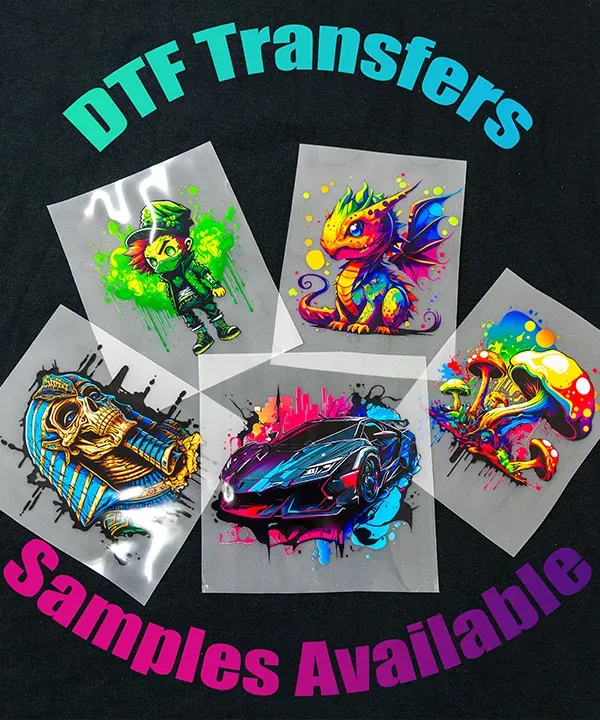
DTF transfers have transformed how apparel makers, crafters, and small print shops bring artwork to fabric. This approach blends direct-to-fabric printing with practical workflows to deliver vibrant, durable results and high-quality DTF prints. For those wondering how to achieve professional results without the complexities of traditional screen printing, the DTF printing process provides a clear path. From design to film, powder, and heat press, the workflow supports small runs and easy customization, with DTF transfer paper helping ensure fidelity. If you’re evaluating methods, you’ll find that DTF transfers offer compelling color, cost efficiency, and wash-fast durability—especially when comparing DTF vs screen printing.
In broader terms, this textile-transfer method uses a printed film that is adhered to fabric with heat and pressure. Called digital textile printing on a practical scale, the process replaces longer set-up workflows with a streamlined pathway for short runs. People often discuss how this technique compares with direct-to-garment approaches, highlighting strong color reproduction on blends and durable results across fabrics. If you’re planning a production line, consider equipment, substrate compatibility, and finish quality, including how the white underbase and curing steps affect longevity. Overall, the technique is a versatile option for custom apparel, merch, and limited-edition releases when speed and fidelity matter.
DTF Transfers in the Direct-to-Fabric Printing Workflow
DTF transfers have emerged as a cornerstone of direct-to-fabric printing, delivering a flexible path for apparel producers, crafters, and small-batch print shops. By integrating DTF transfers into the workflow, you can achieve vibrant designs on a wide range of fabrics without the complexity of traditional screen printing. This guide outlines the full DTF printing process, from concept to finished garment, so you can consistently hit professional results.
In practice, DTF transfers enable full-color reproduction with strong opacity on cotton, poly blends, and blends alike. The workflow encompasses design, film printing, adhesive powder application, curing, transfer with heat, and post-press finishing. When executed well, the result is durable, high-quality DTF prints that hold up to repeated washing while remaining adaptable for small runs.
Key Steps in the DTF Printing Process for Consistent Results
The DTF printing process begins with thoughtful design and color preparation in CMYK, with a white channel added when printing on dark fabrics or layered colors. Proper color management at this stage sets the foundation for faithful reproduction and reduces surprises later in production.
Next comes printing on the film or transfer medium, followed by a powdering step where adhesive powder bonds to the ink as it remains tacky. After a brief cure, the transfer is aligned on the garment and applied with a heat press, then peeled hot or cold according to the product guidelines. A post-press finish may further enhance durability and wash-fastness.
Materials and Equipment for High-Quality DTF Prints
To achieve high-quality DTF prints, assemble a reliable toolkit: a DTF-capable printer with CMYK inks (and optional white), a PET transfer film designed for DTF, adhesive powder, and a sturdy heat press with adjustable temperature, time, and pressure. Some suppliers refer to the combination of film, ink, and powder as “DTF transfer paper,” though many operators rely on specialized transfer films for optimal results.
Additional essentials include pre-press gear, testing swatches, garment pressing pillows, and substrates like cotton and cotton blends, as well as polyester blends. Regular calibration and testing help ensure consistent color and adhesion across batches, contributing to consistently high-quality DTF prints.
DTF Transfer Paper vs Film: What to Choose for Best Results
Terminology in the DTF space can be confusing, with references to transfer film and transfer paper—both serving a similar purpose in the workflow. The critical factor is compatibility among film quality, adhesive powder, curing requirements, and heat-press parameters. Selecting the right medium influences color transfer, opacity, and the final hand feel of the print.
Practical guidance includes running trials on representative fabrics, verifying alignment, and documenting optimal settings for your chosen film and powder. By testing early and iterating, you can establish reliable conditions that yield strong, durable transfers and minimize misprints.
Color Management and Achieving High-Quality DTF Prints
Color fidelity is central to professional direct-to-fabric printing. Regular printer calibration, ICC profiles tailored to your film, ink set, and fabric type can dramatically improve color accuracy and repeatability. Ensuring proper white underbase coverage on darker fabrics is essential for vibrant color reproduction.
Managing color also means controlling the impact of fabric color and texture. Lighter fabrics may require different presets than dark fabrics, and smoother textiles yield more predictable results. Building a routine of test swatches and color gates helps you reproduce high-quality DTF prints consistently across jobs.
DTF vs Screen Printing: When Direct-to-Fabric Wins
DTF transfers often offer advantages over traditional screen printing, especially for small to mid-sized runs and complex artwork. Direct-to-fabric printing can handle gradients and photographic imagery with less setup than screens, while remaining compatible with a broader range of fabrics, including blends.
For many projects, DTF provides faster turnaround, easier customization, and a softer hand on the garment. Compared to screen printing, the DTF workflow can lower per-unit costs for short runs and reduce setup time, making it a compelling choice when flexibility and speed matter.
Frequently Asked Questions
What are DTF transfers and how do they relate to direct-to-fabric printing?
DTF transfers are designs printed onto a PET transfer film and then heat-pressed onto fabric. This is a core part of the DTF printing process and is closely related to direct-to-fabric printing. The film-and-press workflow delivers vibrant color, good opacity on dark fabrics (with a white underbase), and broad fabric compatibility (cotton, blends, polyester). It’s especially suited for small runs and on‑demand apparel thanks to its flexibility and easier setup.
What is the DTF printing process from design to finished garment?
Design in CMYK with a white channel for dark fabrics, then print onto a DTF transfer film using a compatible printer and inks. Apply adhesive powder and cure the film, pre-press the garment to remove moisture, and transfer with a heat press at the recommended temperature, time, and pressure. Peel the film hot or cold as directed, and finish with a light post-press if needed. This describes the DTF printing process end-to-end.
Can DTF transfers produce high-quality DTF prints on a wide range of fabrics?
Yes. DTF transfers can deliver high-quality DTF prints on cotton, cotton blends, and polyester blends when proper color management is used. A white underbase on dark fabrics, correct curing, and optimized ink and film settings help achieve vibrant, durable results across many substrates while maintaining a soft hand.
Should I use DTF transfer paper or film for my project?
Most DTF workflows rely on transfer film plus adhesive powder rather than traditional transfer papers. Some suppliers call the combination “DTF transfer paper,” but the key is film quality, adhesive powder, and proper curing and heat-press parameters. Align the film, ink, powder, and press settings to achieve consistent, high-quality DTF prints.
How does DTF compare with screen printing for small runs?
DTF transfers offer fast setup, lower upfront costs, and easy customization, making them ideal for small-to-medium runs and on-demand designs. Screen printing excels for large runs with high unit throughput but requires screens and longer setup. For many small orders, DTF vs screen printing is the practical choice due to flexibility and speed.
What practices help ensure durability and wash-fastness of DTF transfers?
Key practices include proper pre-press to remove moisture, using the correct temperature, time, and pressure for your film and powder, thorough curing, and allowing the garment to cool before washing. Provide clear care guidelines to end users, and consider a light post-press after cooling for additional durability. Following these steps helps maintain the longevity of DTF transfers.
| Aspect | Key Points |
|---|---|
| What are DTF transfers? | Direct-to-Fabric transfers are designs printed onto a film that’s later transferred to fabric via heat. They enable vibrant color reproduction, compatibility with cotton and poly blends, and easy customization for small runs. This approach covers the full workflow from design to the final application on the garment. |
| The DTF printing process in a nutshell |
|
| Materials and equipment you’ll need |
|
| DTF transfer paper vs film terminology | In practice, systems use a transfer film and adhesive powder; some suppliers call the combination “DTF transfer paper.” The key is to understand your specific setup—film quality, powder, curing requirements, and heat-press parameters—to achieve reliable results. |
| Color management and achieving high-quality DTF prints |
|
| Adhesion, durability, and wash-fastness |
|
| DTF transfers vs other printing methods |
|
| Applications, cost considerations, and scalability |
|
Summary
DTF transfers offer a flexible, scalable path to vibrant, durable designs across a wide range of fabrics. This descriptive overview covers the direct-to-fabric workflow from design to heat-press transfer, highlighting color management, curing, and material choices that drive quality. By selecting suitable films and powders and following best practices for color accuracy and adhesion, apparel producers, crafters, and small-batch shops can achieve professional results without the complexities of screen printing. DTF transfers deliver a soft hand feel, broad fabric compatibility, and efficient customization, making them a powerful option for growing product lines and meeting tight turnaround times.