
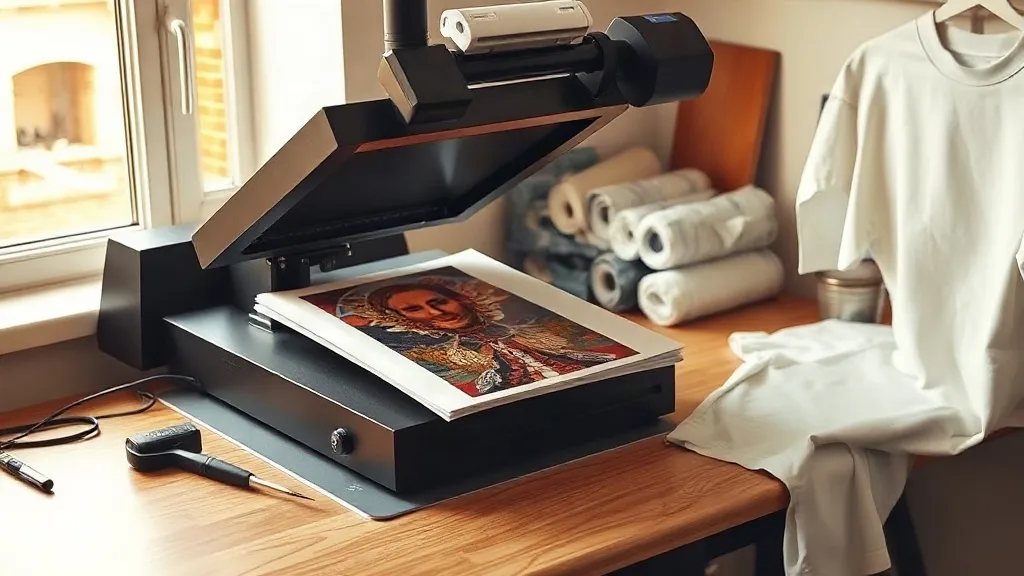
Walk into any small print shop these days and you will probably spot a heat press sitting next to the vinyl cutter, with a stack of film sheets waiting on the counter. Direct-to-film printing has quietly become the go-to method for shops that need full-color garment decoration without investing in a six-figure screen printing setup. If you are still weighing whether dtf transfers deserve a permanent spot in your production line, this guide is written from the perspective of someone who has spent plenty of afternoons peeling film and troubleshooting press settings.
Why DTF Earned a Place in Small Shops
Screen printing rewards volume. A 200-piece order with two colors is a dream job for a manual press. But a customer who wants twelve hoodies with a full-color illustration, a photo, or a gradient logo is a different story. Setting up screens for that job eats hours and burns material before you print a single saleable piece. Vinyl cutting handles simple shapes well, but complex artwork with fine detail or photographic shading is off the table.
dtf printing fills that gap neatly. The artwork is printed onto a film, coated with a powdered adhesive, and cured. When you are ready to decorate a garment, you press the film onto the fabric, let it cool, and peel. There is no weeding, no color separation, and no minimum order. For a shop that takes a mix of one-offs and small runs, that flexibility matters more than raw speed.
The other advantage is fabric range. Cotton, polyester, blends, canvas totes, and even some nylon jackets can take a DTF transfer with the right settings. That versatility lets you say yes to jobs you might otherwise turn away.
Getting the File Right Before You Print
Most DTF failures trace back to the artwork, not the press. A few habits will save you a lot of wasted film.
- Work at 300 DPI at final print size. Upscaling a 72 DPI web image produces a transfer that looks soft on fabric even when the film itself is sharp.
- Keep important detail away from the edge of the film. You need a small margin for trimming and for the adhesive to bond cleanly.
- Set a white underbase deliberately. DTF prints white ink behind the color layers, and how thick that base is affects both opacity and hand feel.
- Flatten transparency and spot colors before export. Surprises at this stage are cheap to fix; surprises on press are not.
If a customer sends a logo pulled from a business card photo, ask for a vector file before you quote. Spending ten minutes on file hygiene beats reprinting an order because the text came out fuzzy.
Press Settings That Actually Work
Every press and every film brand behaves a little differently, so treat any published number as a starting point rather than gospel. That said, a few ranges hold up across most setups.
Temperature and Time
Most DTF films press in the 150 to 165 degree Celsius range for 10 to 15 seconds. Cotton tends to sit at the lower end, polyester at the higher end. Too hot and the film can curl or the adhesive can scorch; too cool and the transfer peels at the corners after a few washes.
Pressure and Peel
Medium pressure is usually enough. You want the film in full contact with the fabric, not crushed into it. After pressing, let the garment cool for a few seconds before peeling. Cold peel gives a cleaner edge on most films, though some brands specify warm peel. Check the supplier's instructions and test on scrap fabric first.
The Second Press
Many shops skip the post-press step and then wonder why transfers lift in the wash. A short second press of 5 to 8 seconds with a cover sheet or parchment protects the print and locks the adhesive into the fibers. It takes almost no time and noticeably improves durability.
Choosing a Supplier and Sourcing Locally
Film quality varies more than most beginners expect. Cheap film can produce transfers that crack after a handful of washes, or adhesive that fails to bond on synthetic fabrics. When you are evaluating a supplier, ask for sample sheets and press them onto the fabrics you actually sell. A supplier who will not send samples is telling you something.
Turnaround matters as much as quality. If you are quoting a job for Friday, a supplier shipping from overseas is not going to help. Searching for dtf transfers near me is a sensible first move, because a local or regional printer can often turn around gang sheets in a day or two and will answer the phone when a press setting goes sideways. For shops that print their own film, keeping a roll of quality film and a reliable powder on the shelf is its own kind of insurance.
If you are comparing options and want to see how a dedicated DTF service structures its offerings, it is worth looking at how dtf specialists handle gang sheets, sizing, and delivery windows before you commit to a long-term supplier.
Pricing and Positioning in Your Shop
DTF pricing is straightforward once you know your costs. A gang sheet lets you nest multiple designs on one film, which drops the per-piece material cost significantly. Factor in film, powder, ink, labor for trimming, and press time.
A simple approach is to price by the transfer size rather than the garment. A small chest logo and a full back print carry very different material costs, and customers understand that. Many shops set a base price for the first transfer and a smaller add-on for additional pieces in the same order. That structure encourages larger orders without discounting your labor into oblivion.
Positioning matters too. DTF is not the cheapest method per unit at high volume, so do not try to compete with screen printing on a 500-piece run. Compete on flexibility, speed, and the ability to handle artwork that other methods cannot touch.
Common Mistakes and How to Avoid Them
After enough orders, patterns emerge. These are the ones that cost the most time.
- Pressing on a damp garment. Moisture traps steam under the film and ruins the bond. Pre-press the shirt for a few seconds to remove moisture.
- Forgetting to trim the film close to the design. Excess film leaves a visible border and a stiffer edge.
- Using a teflon sheet directly on the film without checking the supplier's guidance. Some films want a cover sheet, some do not.
- Skipping wash testing on new fabric blends. A five-minute test saves a refund conversation later.
Frequently Asked Questions
Can DTF transfers be applied to dark and light garments equally well?
Yes. The white ink base in a DTF transfer provides opacity, so the same artwork works on black, navy, or white fabric. You may need to adjust the white layer thickness for very dark colors to avoid a slightly gray cast on light garments.
How long do DTF transfers last after washing?
With correct press settings and a proper post-press, most transfers hold up through dozens of wash cycles. Turn garments inside out, wash cold, and avoid high heat in the dryer. Durability depends heavily on film quality and fabric type, so test your specific combination.
Do I need a special press for DTF?
No. A standard heat press with adjustable temperature and pressure works fine. What matters is consistent pressure across the platen and an accurate temperature reading. A press with uneven heat will produce inconsistent results no matter what film you use.
Is it worth printing my own film instead of ordering transfers?
It depends on volume and workflow. Printing in-house gives you same-day turnaround and full control, but requires a dedicated printer, powder handling, and curing equipment. For shops doing occasional orders, ordering gang sheets from a specialist is usually more economical.
What file format should I send to a transfer supplier?
Send a high-resolution PNG or a vector PDF at final print size, with transparency handled and colors flattened. Include a note about the intended fabric and size so the supplier can set the white base appropriately.