
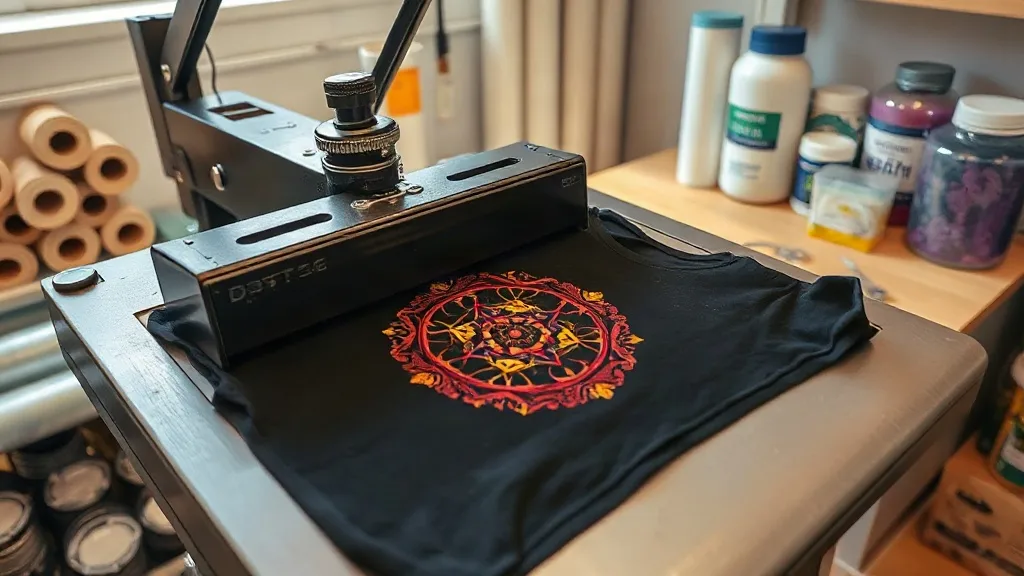
In the dynamic world of custom apparel, staying ahead of the curve means embracing technologies that offer both quality and versatility. One such innovation that has taken the industry by storm is dtf printing. If you're a small business owner, a hobbyist, or simply someone who loves creating unique clothing, understanding DTF transfers can open up a world of possibilities. Unlike traditional methods like screen printing or heat transfer vinyl, DTF transfers provide a seamless way to print intricate designs on a variety of fabrics without the limitations of color or material.
Imagine being able to print a full-color photograph onto a cotton t-shirt, a polyester jersey, or even a canvas tote bag with just a heat press. That's the power of DTF transfers. This technology has quickly become a favorite among print shops and DIY enthusiasts because it eliminates the need for multiple screens, weeding, and layering. In this article, we'll dive deep into what DTF transfers are, how they work, and why they might be the perfect solution for your next project. Whether you're looking to expand your product line or just want to make custom gifts for friends, DTF transfers offer a level of freedom that few other methods can match.
What Are DTF Transfers?
DTF stands for Direct to Film. It's a printing process where your design is printed onto a special PET film using water-based pigments. The design is then coated with a hot-melt adhesive powder, cured, and ready to be transferred onto fabric using a heat press. The result is a soft, stretchable, and durable print that bonds permanently to the fabric.
What sets DTF apart from other methods is its ability to work on almost any fabric type, including cotton, polyester, nylon, leather, and even blends. You don't need to pre-treat the fabric, and there's no color limitation. This makes DTF transfers incredibly versatile for both small-scale custom jobs and large production runs.
One of the biggest advantages of DTF transfers is the ability to print white ink underneath colors, which means your designs will pop even on dark garments. This is something that other methods like DTG (Direct to Garment) struggle with, as they often require a white base layer that can feel thick and stiff. DTF prints are thin and flexible, moving with the fabric without cracking or peeling.
Another key benefit is the cost-effectiveness. Since you don't need screens or vinyl, setup costs are minimal. You can print one-off designs or short runs without breaking the bank. This makes DTF transfers ideal for small businesses that want to offer custom apparel without a huge investment.
How DTF Transfers Work: A Step-by-Step Guide
Understanding the DTF process can help you appreciate the technology and maybe even inspire you to try it yourself. Here's a breakdown of the steps involved:
- Design Preparation: Create your artwork in a graphic design software and mirror it horizontally. This is crucial because the film will be flipped when pressed.
- Printing: Using a DTF printer, the design is printed onto a PET film with special inks. The printer lays down a white ink layer first, followed by CMYK colors.
- Powdering: While the ink is still wet, a hot-melt adhesive powder is applied evenly over the print. The excess powder is shaken off.
- Curing: The film is then heated to melt the powder, creating a dry, tacky surface that will bond to the fabric.
- Transfer: The cured film is placed on the garment and pressed with a heat press at a specific temperature and pressure for a set time.
- Peeling: After pressing, the film is peeled off (hot or cold peel depending on the film type), leaving the design bonded to the fabric.
Each step requires attention to detail, but once you get the hang of it, the process is straightforward and repeatable. Many DTF printers on the market are designed for ease of use, making it accessible for beginners.
Why Choose DTF Transfers Over Other Printing Methods?
When you're deciding on a printing method, several factors come into play: cost, durability, color vibrancy, and fabric compatibility. DTF transfers excel in all these areas. Let's compare DTF with some common alternatives.
DTF vs. Screen Printing
Screen printing is great for large orders of simple designs, but it requires separate screens for each color, which can be costly and time-consuming for multi-color designs. DTF, on the other hand, can print full-color designs in one go without any setup fees. For small batches or intricate designs, DTF is more economical and faster.
DTF vs. Heat Transfer Vinyl (HTV)
HTV is popular for its simplicity, but it's limited to solid colors and simple shapes. Weeding intricate designs can be tedious. DTF transfers allow you to print complex, multi-color designs without any weeding. Plus, DTF prints are more durable and stretchable, making them ideal for athletic wear.
DTF vs. DTG
DTG (Direct to Garment) is another digital printing method that works well on cotton, but it often requires pre-treatment and can struggle with polyester. DTF works on a wider range of fabrics and doesn't need pre-treatment. DTF prints also tend to be more vibrant on dark colors.
Overall, DTF transfers offer a balance of quality, versatility, and cost that is hard to beat.
Applications of DTF Transfers
DTF transfers are not just for t-shirts. Their versatility means they can be used on a wide array of items. Here are some popular applications:
- Apparel: T-shirts, hoodies, jeans, jackets, and sportswear.
- Accessories: Tote bags, hats, backpacks, and socks.
- Home Decor: Pillow covers, blankets, and curtains.
- Promotional Items: Corporate uniforms, event merchandise, and giveaways.
Because DTF transfers adhere to so many surfaces, you can experiment with different products to expand your offerings. For example, you could create custom pet bandanas or personalized laptop sleeves. The possibilities are endless.
Tips for Getting the Best Results with DTF Transfers
To ensure your DTF transfers look professional and last long, follow these tips:
- Use high-quality films and powders: Cheaper materials can lead to poor adhesion and fading.
- Preheat your garment: This removes moisture and wrinkles, ensuring a smooth application.
- Adjust pressure and temperature: Follow the manufacturer's recommendations for your specific film and fabric.
- Test on scrap fabric: Before pressing your final product, do a test to dial in your settings.
- Wash inside out: To prolong the life of your print, wash garments inside out in cold water and avoid bleach.
By paying attention to these details, you'll achieve vibrant, long-lasting prints that impress your customers.
Frequently Asked Questions About DTF Transfers
How durable are DTF transfers?
DTF transfers are highly durable. When applied correctly, they can withstand dozens of washes without cracking, peeling, or fading. The key is to follow proper washing instructions, such as washing inside out in cold water and avoiding harsh chemicals.
Can I use DTF transfers on dark fabrics?
Absolutely. DTF transfers are especially effective on dark fabrics because the white ink layer provides a bright base for the colors. This ensures your design stands out vividly, even on black or navy garments.
Do I need a special printer for DTF transfers?
Yes, you need a DTF printer that uses DTF inks and can handle the film. However, if you don't want to invest in a printer, you can buy pre-printed DTF transfers from suppliers and apply them with a heat press.
What fabrics work best with DTF transfers?
DTF transfers work on almost any fabric, including cotton, polyester, nylon, leather, and blends. They are particularly good for fabrics that are difficult to print on with other methods, such as polyester and synthetic blends.
How do I store unused DTF transfers?
Store unused DTF transfers in a cool, dry place away from direct sunlight. Keep them in a sealed bag to prevent dust and moisture from affecting the adhesive powder. Properly stored transfers can last for several months.
As you can see, DTF transfers are a game-changer in the custom apparel industry. Whether you're a seasoned professional or just starting out, incorporating dtf transfers into your workflow can elevate your creations and set you apart from the competition. With their unmatched versatility, durability, and vibrant colors, it's no wonder that DTF is quickly becoming the go-to method for printing on fabrics. So why not give it a try? Your next custom project could be your best one yet.