
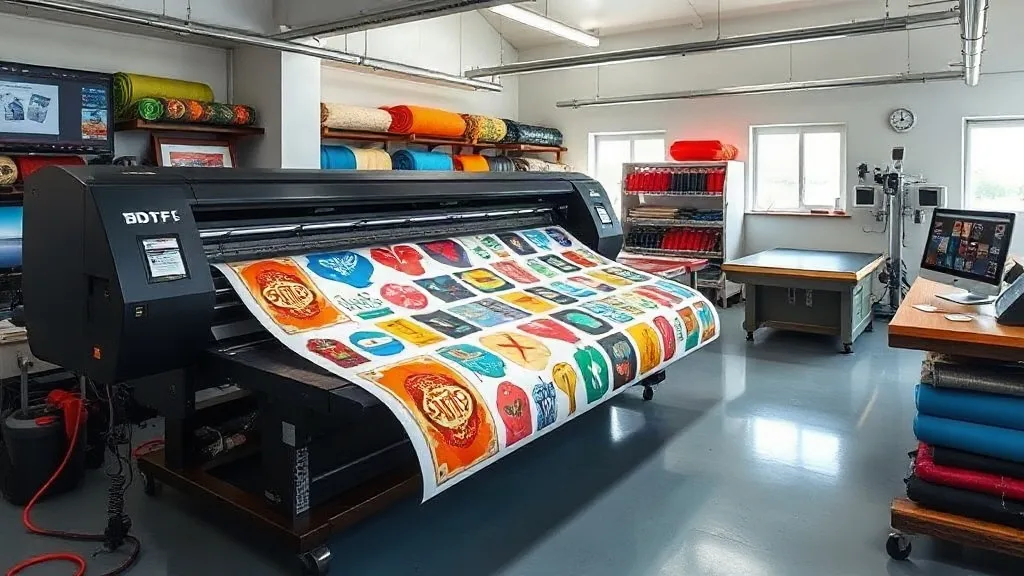
Custom apparel printing has always been a balance between quality, speed, and cost. Whether you run a small print shop or design on-demand merchandise, the method you choose can make or break your margins. In recent years, DTF Gangsheet printing has emerged as a game-changer, offering a way to produce vibrant, durable transfers without the overhead of traditional screen printing. But what exactly is a gangsheet, and why should you care? Let’s break it down.
What Is a DTF Gangsheet?
DTF stands for Direct-to-Film, a printing technology where designs are printed onto a special film, coated with adhesive powder, and then heat-pressed onto fabric. A gangsheet takes this a step further: it’s a large sheet (often 22 or 24 inches wide and up to several feet long) that holds multiple designs arranged efficiently. Think of it as a digital canvas where you place all your graphics for a production run, maximizing space and minimizing waste.
The beauty of a gangsheet is that you can mix and match different designs, sizes, and quantities on a single sheet, regardless of color complexity. Unlike screen printing, which requires separate screens for each color, DTF printing handles full-color images with ease. This makes gangsheets ideal for small businesses that need variety without huge setup costs.
Why DTF Gangsheets Are a Smart Choice for Your Business
If you’re still on the fence about incorporating DTF gangsheets into your workflow, consider the practical benefits. Here are a few reasons why they’re worth a closer look.
Cost-Effective for Short Runs
Traditional printing methods like screen printing have high setup costs, making short runs expensive. With DTF gangsheets, you pay for the film and ink, but there’s no need for screens or plates. You can print a single gangsheet with 20 different designs, and the cost per transfer drops significantly. This is perfect for limited-edition drops, sample packs, or personalized orders.
No Color Limitations
DTF printing uses CMYK and white ink to produce full-color images, gradients, and photographic details. You’re not restricted to spot colors or simple graphics. Whether your design has intricate shading or bright neon hues, it will come out looking sharp and vibrant on both light and dark fabrics.
Works on Multiple Fabrics
One of the biggest advantages of DTF is its versatility. Unlike heat transfer vinyl (HTV) that adheres best to cotton, DTF transfers bond well to cotton, polyester, blends, and even some synthetic fabrics. This means you can offer your customers a wider range of apparel options without worrying about compatibility.
Efficient Workflow
Using gangsheets streamlines your production process. Instead of printing and cutting each design separately, you arrange everything on one sheet, print it in one go, and then cut out the individual transfers. This saves time and reduces errors. Many print shops use RIP software to automatically nest designs and maximize sheet usage, further improving efficiency.
How to Create a DTF Gangsheet: Step by Step
Ready to give it a try? Here’s a simple guide to creating your first gangsheet.
- Prepare your designs: Make sure each design is high resolution (300 DPI recommended) and in the correct color mode (CMYK). Remove any backgrounds if necessary.
- Choose your sheet size: Common widths are 22" and 24", but length can vary. Consider the dimensions of your heat press and the number of transfers you need.
- Arrange designs: Use design software or a specialized RIP program to place your graphics on the sheet. Leave a small gap between designs for easy cutting. Nest them tightly to save space.
- Print and powder: Print the sheet on DTF film using your DTF printer, then apply adhesive powder while the ink is still wet. Shake off excess powder and cure the sheet under heat.
- Press onto fabric: Cut out each transfer, place it on your garment, and heat press according to the recommended settings (usually 300°F for 10-15 seconds with medium pressure). Peel the film while hot or cold, depending on the film type.
With a bit of practice, you’ll be churning out gangsheets like a pro.
Common Pitfalls and How to Avoid Them
Even though DTF printing is forgiving, there are a few mistakes that can ruin your results. Watch out for these:
- Insufficient powdering: If you don’t apply enough adhesive powder, the transfer may crack or peel. Make sure the ink is evenly coated.
- Wrong pressing parameters: Each film and fabric combination may require slight adjustments. Always do a test press.
- Poor design placement: Overlapping designs or placing them too close to the edge can cause cutting errors. Leave at least 0.25 inches between designs.
- Ignoring film storage: DTF film is sensitive to moisture and dust. Store it in a cool, dry place to prevent issues.
By keeping these in mind, you’ll minimize waste and maximize quality.
Is DTF Gangsheet Printing Right for You?
If you’re a small to medium-sized apparel decorator, a dropshipper, or a designer who wants to offer custom products without inventory, DTF gangsheets can be a cost-effective solution. They’re also great for printing sample packs to showcase your work to potential clients. However, if you’re producing thousands of identical items, screen printing might still be more economical. Assess your volume and variety before committing.
Frequently Asked Questions
What is the difference between DTF and DTG printing?
DTF (Direct-to-Film) involves printing on a film that is then transferred to fabric, while DTG (Direct-to-Garment) prints directly onto the garment. DTF works on more fabric types and often has lower setup costs for small runs, but DTG can be more efficient for 100% cotton items with high detail.
Can I use a DTF gangsheet on dark shirts?
Absolutely. DTF printing uses a white ink base, so colors pop on both light and dark fabrics. Just ensure your design has a white underbase if needed.
How long does a DTF transfer last?
When applied correctly, DTF transfers are highly durable and can withstand 50+ washes without fading or cracking. Proper care (washing inside out, avoiding high heat) extends their life.
Do I need a special printer for DTF gangsheets?
Yes, you need a DTF printer that uses DTF inks and film. However, you can also outsource gangsheet printing to a service bureau if you don’t want to invest in equipment.
What file format should I use for my gangsheet designs?
PNG or TIFF with transparent backgrounds are ideal. Ensure they are high resolution and in CMYK color mode for accurate printing.
DTF gangsheets are more than a trend; they’re a practical tool that can help your business stay competitive. Give them a try and see the difference in your workflow and your bottom line.