
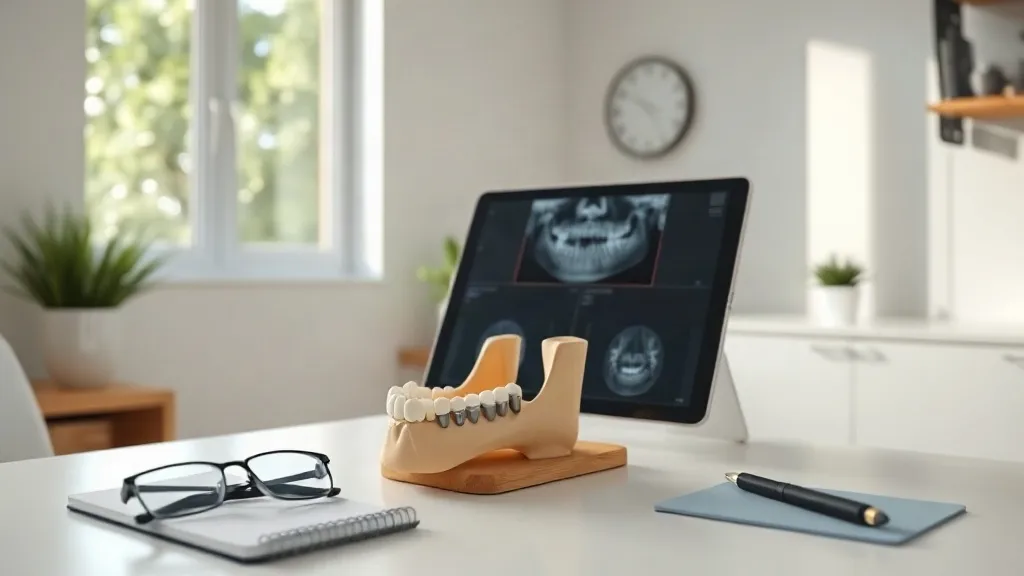
Few dental decisions feel as heavy as replacing a missing tooth or rebuilding an entire smile. That weight is exactly why so many people start researching dental implants turkey packages late at night, comparing screenshots of prices and wondering whether the numbers are real. They usually are real, but they rarely tell the whole story. What follows is a grounded look at how implant treatment works in Turkey, what actually moves the price up or down, and the questions worth asking before you put down a deposit.
Why Turkey Became a Dental Treatment Hub
Turkey's dental sector grew quickly over the past fifteen years, and not by accident. Cities like Istanbul, Antalya and Izmir built clusters of clinics that treat international patients almost exclusively, with translators on staff, airport transfers, and hotel partnerships bundled into the quoted price. The volume of patients passing through these clinics means the surgical teams perform implant placements weekly rather than monthly, and repetition matters in any surgical field.
There is a second factor that gets discussed less often: the Turkish lira. Currency movement has made treatment priced in lira noticeably cheaper for visitors paying in pounds or euros, even as clinical standards have risen. That combination of high case volume and favourable exchange rates is the engine behind the country's reputation, and it is worth understanding because it explains both the genuine bargains and the suspiciously cheap offers.
What a Typical Implant Journey Looks Like
Most international patients follow a two-trip pattern, and knowing this in advance helps you plan annual leave and budget properly.
Trip One: Assessment and Surgery
You arrive, usually with a panoramic X-ray or CBCT scan already sent ahead. The first day involves a clinical examination, a cone beam scan if you have not had one, and a written treatment plan. If your bone volume is adequate, implant placement happens within the first few days. The procedure itself is done under local anaesthetic, takes roughly 30 to 60 minutes per implant, and most patients describe it as less uncomfortable than a difficult extraction.
You then stay in the city for around five to seven days so the clinic can check healing, remove sutures if needed, and fit a temporary prosthesis. Flying home with a fresh surgical site is normal, but book a direct flight where possible and avoid scheduling the return leg the day after surgery.
The Healing Window
Back home, osseointegration takes place: the titanium surface fuses with your jawbone. This period runs three to six months, longer if you needed bone grafting or a sinus lift. During this time you wear a temporary bridge or denture and eat softer food on the treated side. Clinics typically ask for a check-up with a local dentist midway through, which is a reasonable request and one you should agree to before travelling.
Trip Two: Final Restoration
You return for one to two weeks while the permanent crowns or bridge are fabricated and fitted. This is where the aesthetic result is decided, so speak up about shade, shape and bite comfort during try-ins. A good clinic will let you look in the mirror with a temporary version before the final ceramic is milled.
Breaking Down Dental Implants Turkey Cost
When people search for dental implants turkey cost, they are usually chasing a single number. The honest answer is a range, because implant dentistry is modular. You are paying for three separate things: the implant fixture, the abutment that connects it to the crown, and the crown itself. Clinics that quote unusually low figures sometimes price only the fixture, then add the abutment and crown later.
Several variables shift the total:
- Implant brand. European and Swiss systems sit at the top of the range, Korean systems in the middle, and unbranded or clone fixtures at the bottom. Ask for the exact brand and check that it has a documented, internationally available prosthetic line.
- Bone condition. Grafting, sinus lifts or nerve repositioning add surgical time and materials.
- Number of implants. A single implant and a full arch are different projects with different anaesthesia and lab costs.
- Crown material. Zirconia costs more than porcelain fused to metal and looks more natural under light.
- Extras. Sedation, CT scans, medication, transfers and accommodation may or may not be included.
A useful habit is to request a written quote that itemises every component and states clearly what happens if an implant fails within the warranty period. Clinics that answer this question without hesitation are usually the ones worth continuing with.
Full Mouth Dental Implants Turkey: Who Actually Needs This
The phrase full mouth dental implants turkey gets used loosely online, sometimes for cases that only need three or four implants. True full mouth rehabilitation means replacing every tooth in an arch, and there are two main approaches.
All-on-4 and All-on-6
These techniques anchor a fixed prosthesis on four or six implants per arch, often tilting the rear implants to avoid bone grafting. They offer a fixed set of teeth rather than a removable denture, and the surgery can frequently be completed in a single visit. They are not suitable for everyone: bone density, bite force and gum health all influence the decision.
Multiple Individual Implants
Where bone allows and the patient wants maximum independence per tooth, individual implants with separate crowns remain the gold standard. This approach takes longer and costs more, but it preserves natural cleaning access between teeth.
Before committing, ask for the number of implants proposed and the reason for that number. A clinic that recommends the same protocol to every patient is a clinic that is not really assessing you.
How to Vet a Clinic Before You Book
Price comparisons are easy; due diligence is the part most people skip. Start with the dentist's registration and specialisation. In Turkey, dentists must be registered with the local chamber, and oral and maxillofacial surgeons or prosthodontists hold additional qualifications that are relevant to complex cases. Ask for the surgeon's name and check it against the clinic's published team page and professional listings.
Next, look at how the clinic handles complications. Implant failure happens everywhere, in every country, at a rate that reputable studies place in the low single digits. What separates good providers is the plan: free replacement, a defined waiting period, and clear terms about who covers revision surgery. Get this in writing, in a language you read fluently.
Finally, read reviews with a filter. Look for detailed accounts that mention specific staff, dates and follow-up calls. Generic five-star ratings posted in clusters are less informative than a three-star review that explains a scheduling problem and how it was resolved.
Practical Tips for Your Trip
- Send full records ahead: panoramic X-ray, CBCT if available, and photos of your bite.
- Book at least one buffer day after surgery before flying.
- Pack soft foods, a travel pillow and any prescribed medication in your hand luggage.
- Keep a written aftercare sheet with an emergency contact number that works internationally.
- Arrange a local dentist for the mid-healing check before you leave home.
Frequently Asked Questions
How long do I need to stay in Turkey for dental implants?
For a straightforward single implant, plan five to seven days for the surgical trip and one to two weeks for the final crown fitting several months later. Full arch cases sometimes need a slightly longer first stay, particularly if extractions and immediate loading are involved.
Is it safe to fly home a few days after implant surgery?
Most clinicians consider it acceptable once initial healing is underway, usually after four to seven days. Swelling and mild discomfort are normal. If you had grafting or a sinus lift, follow your surgeon's specific advice, as the recommended interval can be longer.
What happens if an implant fails after I return home?
Reputable clinics include a warranty, commonly covering the fixture for several years and the prosthetic work for a shorter period. The practical question is whether the clinic will cover a replacement fixture and whether a local dentist can handle the removal. Confirm both points in writing before treatment begins.
Can I get dental implants in Turkey if I smoke or have diabetes?
Many clinics will still treat you, but with conditions. Smoking significantly raises failure risk and clinics often ask for a cessation period around surgery. Controlled diabetes is usually manageable with adjusted protocols and closer monitoring. Be honest in your medical questionnaire; hiding a condition to secure treatment is a poor trade.
How do I compare quotes fairly when prices differ so much?
Line up the components side by side: implant brand, abutment type, crown material, number of implants, whether grafting is included, and what the warranty covers. A quote that looks 30 percent cheaper often excludes the crown or uses an unbranded fixture. Compare the itemised totals, not the headline number.