
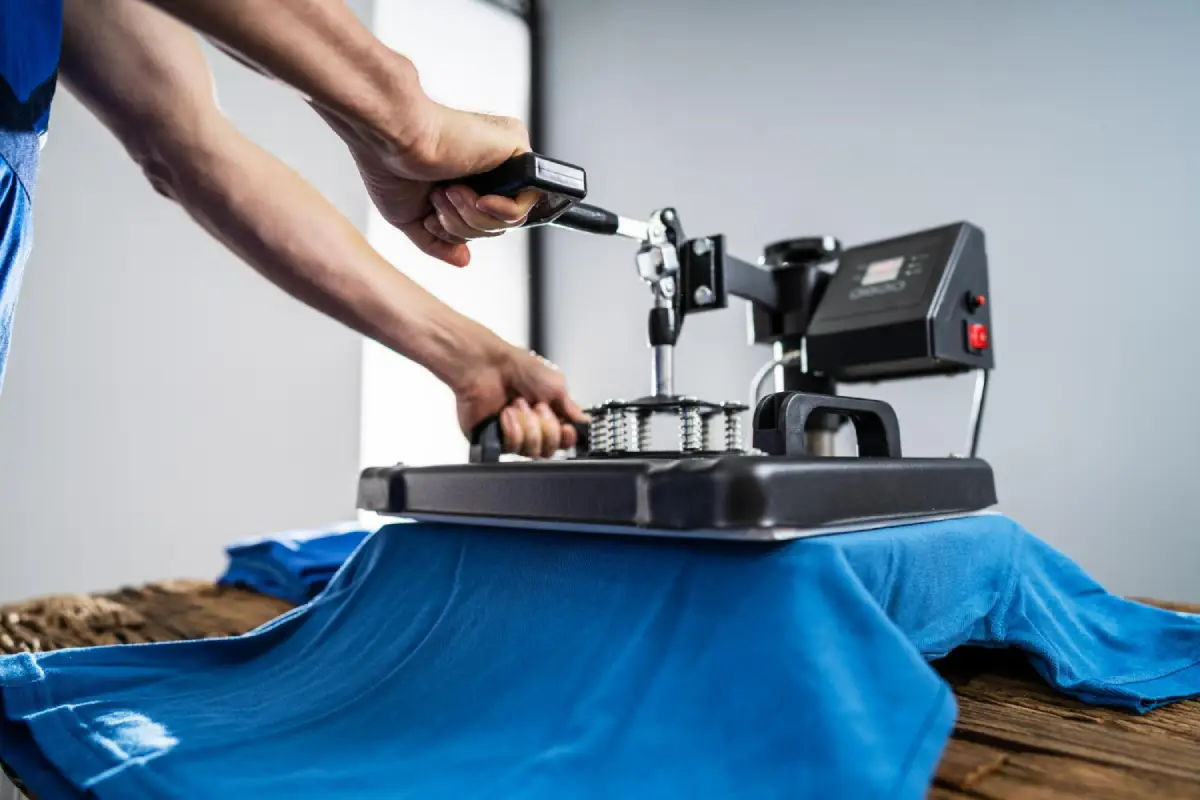
Modern garment decoration has evolved rapidly, making it easier than ever to create vibrant, custom apparel right from your home or workshop. If you have been searching for high-quality dtf printing solutions, you already know how crucial precision and durability are for a lasting print. This innovative technology bridges the gap between complex digital designs and physical fabrics, allowing creators to produce stunning results without the heavy investment of traditional screen printing. Understanding the nuances of this process can transform your business or personal crafting projects from standard to exceptional.
The Evolution of Fabric Customization: Why Choose Film Transfers?
Direct-to-film printing has revolutionized how we think about apparel customization. Unlike older methods that required meticulous weeding or struggled with complex multi-colored gradients, this modern approach prints designs directly onto a specialized film. A unique adhesive powder is then applied, which bonds permanently to the fabric when heated. This means you get a stretchable, durable, and incredibly vivid finish that withstands dozens of washes without cracking or fading.
Succeeding with this technique requires high-quality materials. From the thickness of the film to the melting point of the adhesive powder, every variable impacts the final texture on the shirt. Experienced printers know that skimping on material quality leads to stiff designs that feel uncomfortable against the skin. By focusing on premium components, creators ensure that every piece of clothing feels soft, breathable, and professional.
How to Choose the Best Custom Patches and Transfers
When selecting your production materials, sourcing premium dtf transfers makes all the difference in workflow efficiency. High-grade transfers peel smoothly, whether you prefer hot or cold peel methods, saving valuable production time during busy seasons. If you are running a commercial business or preparing a large batch of merchandise for an event, ready-to-press film sheets eliminate the initial printing and powdering steps entirely, letting you focus solely on the heat press application.
To get the cleanest results when pressing your designs, keep these practical steps in mind:
- Preheat your fabric for five seconds to remove trapped moisture and wrinkles before placing the film.
- Maintain a consistent pressure on your heat press, ensuring even heat distribution across the entire surface.
- Allow the film to reach the recommended temperature before peeling to prevent any edge lifting or tearing.
- Execute a quick second press with a protective sheet to embed the ink deeper into the fabric fibers for maximum longevity.
Finding Reliable Printing Services Locally
For many small business owners, hobbyists, and event organizers, finding quick local production is a top priority. Searching for dtf transfers near me often highlights the need for quick turnaround times and reliable local shipping options to keep projects on schedule. Sourcing your prints from a reliable supplier ensures you can meet tight deadlines without sacrificing the crisp lines and brilliant color accuracy your customers expect.
Working with an established provider also grants access to expert technical support. If you encounter issues like color shifting or poor adhesion, experienced professionals can help tune your press settings, adjust temperature variables, or optimize your artwork files. This professional backup turns a stressful production bottleneck into a smooth, reliable creative process.
Optimizing Your Artwork for Crisp Prints
The final output on your fabric is only as good as the digital file you start with. To achieve retail-quality results, your designs must be saved at a minimum of 300 DPI in a transparent format like PNG or PDF. Lower resolution files cause pixelation and blurry edges, which become highly visible once pressed onto garments. It is also important to design with clean, solid transparency, as any stray pixels or semi-transparent glows can capture the adhesive powder and create unwanted white outlines around your artwork.
Frequently Asked Questions
What fabrics work best with film transfers?
This printing method is incredibly versatile and works perfectly on cotton, polyester, poly-blends, nylon, and even leather. Unlike sublimation, which requires high-polyester light fabrics, film transfers can be applied to both dark and light garments of almost any material composition.
How should I wash garments with these custom prints?
To maximize the lifespan of the printed apparel, turn the garments inside out before washing. Use cold or warm water with a mild detergent on a gentle cycle. Avoid using bleach or fabric softeners, and tumble dry on low heat or line dry for the best long-term results.
Why is my transfer lifting after pressing?
Lifting usually occurs due to insufficient heat, inadequate pressure, or remaining moisture in the fabric. Ensure your heat press is calibrated correctly, pre-press your fabric to eliminate moisture, and verify whether your specific film requires a hot, warm, or completely cold peel.
Elevate Your Apparel Projects Today
Navigating the world of custom garment printing becomes effortless when you partner with trusted experts who prioritize precision and quality. At harwindtf.com, we specialize in delivering professional-grade production materials and exceptional customer support tailored to your unique creative needs. Whether you are building an independent clothing brand or creating custom merchandise for a local gathering, harwindtf.com ensures your designs are sharp, durable, and vibrant. Explore our extensive options today to streamline your production and bring your creative visions to life with absolute confidence.