
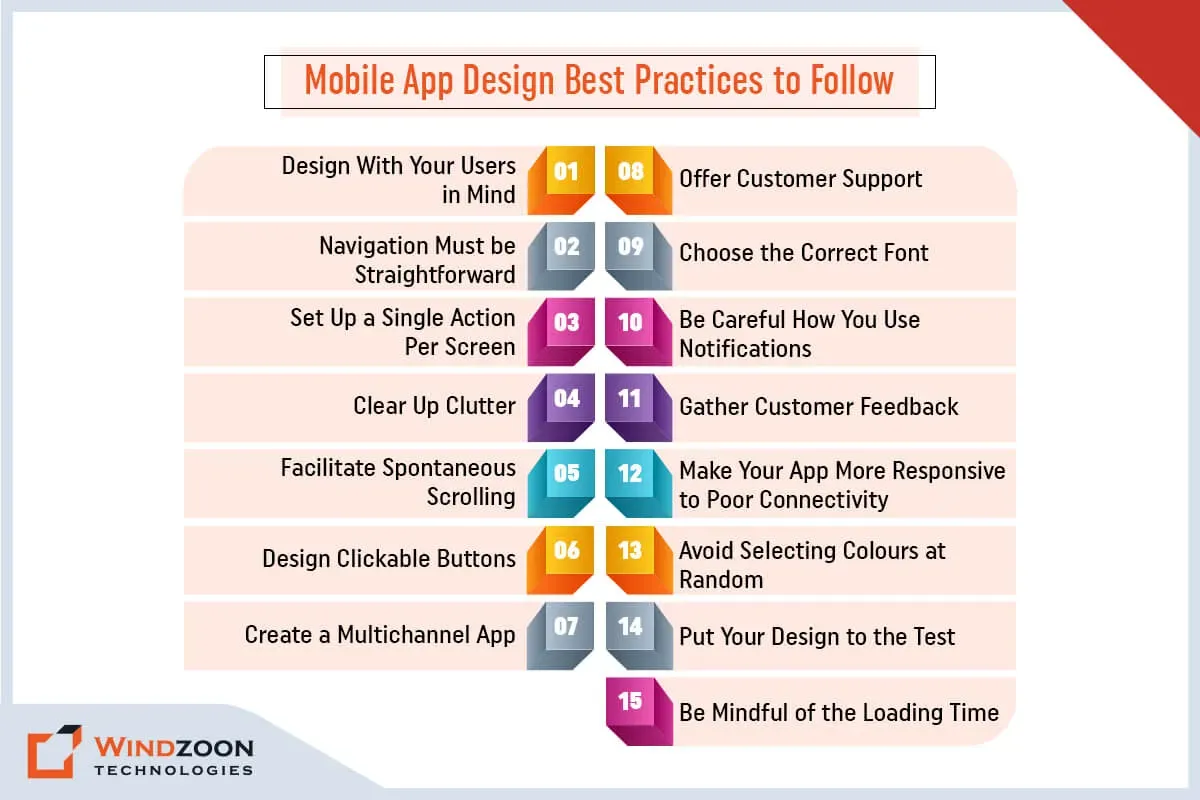
App Design Best Practices shape how users interact with software, guiding everything from onboarding to daily tasks, and they underpin decisions about navigation, feedback, and content layout that align with brand goals, accessibility benchmarks, and business metrics. In a world of short attention spans, delivering intuitive app design and beautiful mobile interfaces is not a luxury but a necessity that boosts usability in app design. This guide translates high-level principles into actionable steps for any platform, aligning with UX best practices for apps while keeping developers and designers focused on meaningful outcomes and measurable success. By prioritizing clarity, consistency, and efficient flows, you can craft a mobile app interface design that reduces cognitive load and invites continued engagement through thoughtful micro-interactions and clear progress feedback. From research to prototyping, these practices balance aesthetics with accessibility, ensuring your product remains usable, delightful, and competitive in a crowded market while supporting inclusive design that serves diverse users.
Seen through an LSI-informed lens, the topic centers on human-centered design that puts real users and their contexts at the heart of every decision. Other terms you might encounter include user-centered design, usable interfaces, efficient workflows, accessible interactions, and responsive behavior across platforms. These phrases all point to reducing friction, improving discoverability, and enabling meaningful tasks with minimal cognitive load. Whether you describe it as task-oriented design, ergonomic interfaces, or mobile usability engineering, the goal remains the same: create experiences that feel natural and trustworthy.
App Design Best Practices: Building Intuitive, Beautiful Mobile Interfaces
Effective app design begins with a deep understanding of users and their tasks. By prioritizing intuitive app design, teams reduce cognitive effort and help users reach goals with fewer clicks. Pairing this clarity with aesthetic choices—such as a restrained color palette, stable typography, and well-ordered layouts—creates beautiful mobile interfaces that feel effortless to use. In practice, this means mapping real user journeys, not just listing features, and designing interfaces that align with how people actually work on mobile devices and within mobile app interface design patterns.
To scale these insights, establish a cohesive design system that enforces visual hierarchy across screens. Use a grid, consistent typography, and accessible color contrast to guide the eye and reduce cognitive load. The goal is to make every interaction predictable and meaningful, supporting usability in app design while maintaining a visually appealing experience. This approach underpins UX best practices for apps by ensuring patterns users recognize across screens, whether on iOS or Android.
UX Best Practices for Apps: Accessibility, Consistency, and Perceived Performance
Accessibility and inclusivity must be baked into every design decision. Use sufficient color contrast, scalable text, and keyboard navigation where appropriate. Provide descriptive labels and clear focus states for interactive elements, so usability in app design is enhanced for users with diverse abilities. Inclusive design not only meets standards—it broadens your audience and improves the overall user experience.
Beyond visuals, focus on real-world testing and iteration. Prototyping early helps validate usability in app design and reveals how people actually move through screens. Combine usability testing with lightweight analytics, and use skeleton screens or progressive loading to preserve perceived speed. This feedback loop embodies UX best practices for apps by turning observations into concrete improvements across the mobile app interface design.
Frequently Asked Questions
How can I apply intuitive app design principles to create beautiful mobile interfaces while following UX best practices for apps?
Start with user research and task mapping to ground your design in real goals, then define personas and measure success by task completion and satisfaction. Use a strong visual hierarchy, restrained color, and accessible typography to craft beautiful mobile interfaces that feel effortless. Build a cohesive design system to ensure consistency across screens and devices, and design for accessibility from the outset. By aligning these steps with UX best practices for apps, you’ll improve usability in app design and create an interface that is both intuitive and visually appealing.
What practical steps ensure usability in app design for mobile app interface design while adhering to UX best practices for apps?
Adopt a mobile-first mindset: start with essential tasks, then prototype early and test with real users to validate flow. Create reusable components, tokens, and motion guidelines to support consistent behavior across screens, and use skeleton loading and performance optimizations to keep perceived speed high. Emphasize clear labeling, accessible color contrast, and descriptive focus states to boost usability in app design for diverse users, ensuring that the mobile app interface design feels reliable and delightful.
| Section | Key Points |
|---|---|
| Introduction |
|
| 1) Start with users and tasks |
|
| 2) Build strong visual hierarchy for beautiful interfaces |
|
| 3) Prioritize consistency and a cohesive design system |
|
| 4) Accessibility and inclusivity are non-negotiable |
|
| 5) Performance, feedback, and perceived speed |
|
| 6) Interaction design that delights without distracting |
|
| 7) Design for mobile-first, then scale |
|
| 8) Prototyping, testing, and iteration |
|
| 9) Real-world examples and practical takeaways |
|
Summary
App Design Best Practices shape how people experience software by blending intuitive usability with visual appeal to create interfaces that feel natural and engaging. This approach emphasizes starting with users and their tasks, building a cohesive design system, ensuring accessibility, and validating decisions through testing. By balancing clarity, aesthetics, performance, and meaningful interactions, teams can reduce cognitive load, accelerate tasks, and boost user satisfaction across devices and contexts. Embrace a mobile-first mindset, prototype early, and iterate with real user feedback to deliver products that feel effortless and trustworthy.