
The Reality of the AI energy crisis
The rapid expansion of artificial intelligence is revolutionizing global industries, but it simultaneously brings a severe hidden cost. We are now facing an unprecedented AI energy crisis. As complex algorithms and machine learning models require immense computational resources, traditional regional power grids struggle to keep up. The global demand for electricity has skyrocketed, forcing technology leaders to urgently seek alternative, sustainable power generation methods to sustain their operations without causing environmental collapse or widespread grid failures.Why massive data centers Require More Power
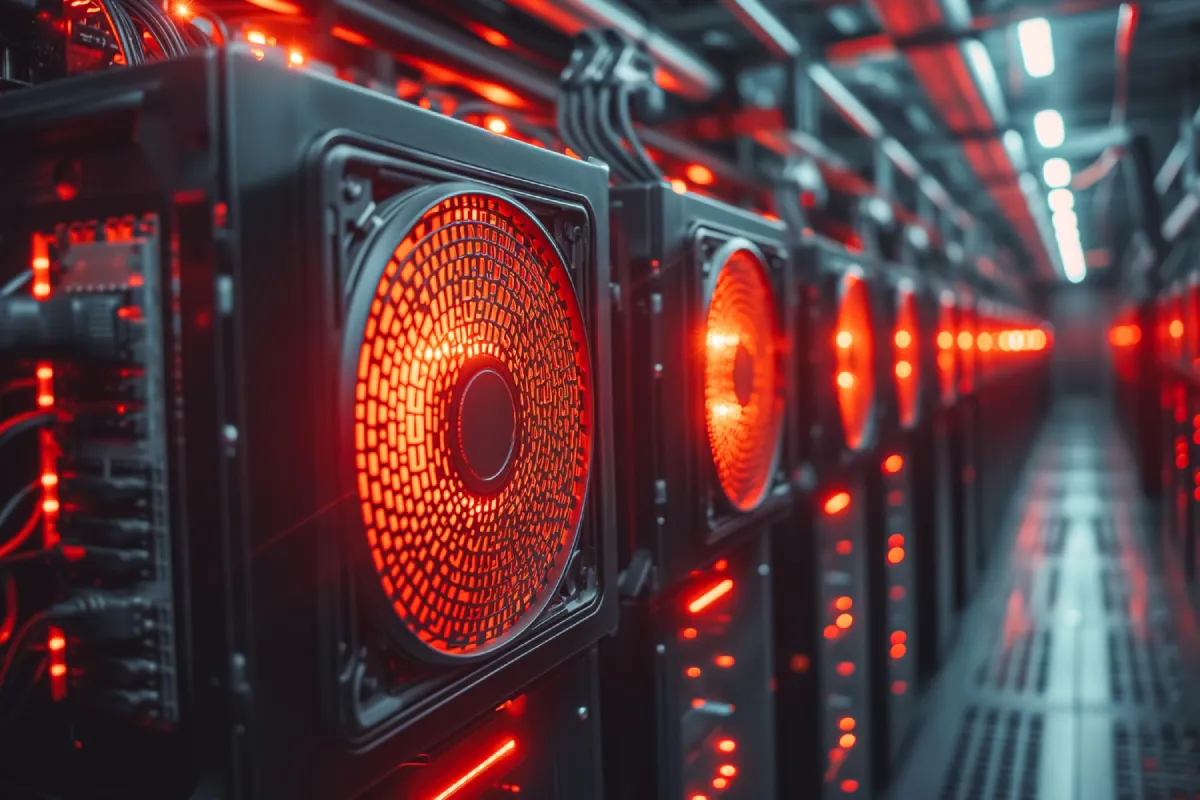
Modern data centers are the fundamental backbone of our modern digital economy, housing thousands of high-performance servers that must run continuously. These massive facilities consume extraordinary amounts of electricity, not only for computation but also for advanced liquid cooling systems. As artificial intelligence models grow exponentially larger, the power density of these facilities increases drastically. The infrastructure needs reliable baseload power that wind and solar struggle to provide without costly battery storage solutions.Understanding advanced small modular reactors
To bridge the gap between high energy demand and clean power generation, the technology industry is turning to small modular reactors. These nuclear devices are smaller and more flexible than traditional power plants. They are designed to be manufactured in centralized factories and transported to operational sites, drastically reducing construction time and costs. By utilizing stable nuclear fission, they offer a continuous, zero-carbon electricity supply.Tech Giants Leading the Nuclear Shift
Recognizing the inherent limitations of current national energy grids, major global technology corporations are actively investing billions in next-generation nuclear technology. By forming strategic partnerships with innovative nuclear startups, these corporate giants aim to deploy customized power solutions directly adjacent to their largest facilities. This calculated strategic pivot ensures a dedicated, uninterruptible power supply, shielding them from local grid fluctuations and energy shortages, while strictly honoring their ambitious corporate sustainability and net-zero carbon emission pledges.Key Operational Benefits of SMR Deployment
Deploying these compact reactors offers multiple strategic advantages beyond just generating raw electrical power. Firstly, they provide absolute energy security, entirely isolating critical technological operations from volatile external fossil fuel supply shocks. Secondly, they have a remarkably small physical land footprint, allowing them to be strategically built much closer to the actual point of need. Furthermore, advanced passive safety mechanisms make them incredibly safe to operate. This reliable, localized clean power is absolutely essential for combating the ongoing AI energy crisis.Navigating Regulatory and Deployment Challenges
Despite their immense technological promise, deploying these compact reactors is not without significant logistical hurdles. Regulatory frameworks governing nuclear energy remain incredibly strict worldwide, requiring lengthy, complex approval processes that can delay commercial deployment by several years. Additionally, the initial capital financial investment is highly substantial, and overcoming public perception regarding long-term nuclear safety remains a critical obstacle. Companies must carefully navigate complex legal landscapes to succeed.Conclusion: Securing the Digital Future
In summary, the exponential global growth of artificial intelligence has inevitably triggered a severe industrial power shortage. To maintain developmental momentum while strictly adhering to crucial environmental sustainability goals, the technology sector's aggressive pivot toward nuclear energy solutions is both necessary and highly innovative. By safely integrating small modular reactors to independently power massive data centers, the industry can definitively overcome the AI energy crisis. This ensures the digital future remains bright.Frequently Asked Questions
What exactly is causing the current power shortage in tech?
The massive computational requirements of training and running advanced artificial intelligence models demand unprecedented, continuous amounts of electricity.
Are compact nuclear reactors genuinely safe to operate?
Yes, they utilize highly advanced passive safety features that automatically cool and shut down the system without human intervention during any emergencies.
Why can't solar and wind fully power these facilities?
These specific facilities require constant, uninterrupted baseload power at all times, whereas renewable sources are highly intermittent and depend heavily on local weather conditions.
How long will it take to deploy these reactors?
While the core technology is advancing rapidly, strict regulatory approvals and manufacturing logistics mean widespread commercial deployment may take several years to fully realize.
Will this specific transition lower the carbon footprint of AI?
Absolutely. Nuclear energy provides zero-carbon electricity, reducing the greenhouse gas emissions associated with massive digital computation.