
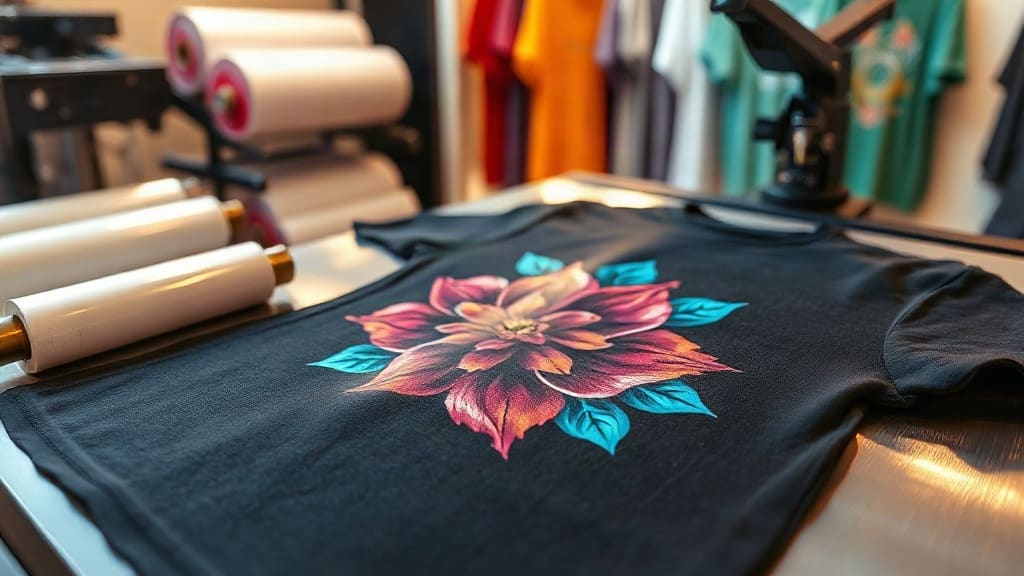
If you have ever wanted to create custom t-shirts, hoodies, or tote bags with vibrant, durable designs, you have probably come across the term DTF. DTF stands for Direct to Film, and it is quickly becoming the go-to method for hobbyists and small business owners alike. Unlike traditional heat transfer vinyl or screen printing, DTF offers a level of detail and color brilliance that is hard to match. But what exactly makes DTF transfers so special, and how can you get started? In this guide, we will walk you through everything you need to know, from the basics of how DTF works to finding DTF transfers near me and achieving professional results at home.
What Are DTF Transfers and How Do They Work?
At its core, a DTF transfer is a printed design on a special film that can be applied to fabric using heat and pressure. The process starts with printing your design onto a PET film using a dedicated DTF printer with specialized inks. While the ink is still wet, a hot-melt adhesive powder is applied to the printed area. The film is then cured, either with heat or by air drying, so the powder melts into a solid layer that will bond to the fabric later.
When you are ready to apply the transfer, you place the film onto your garment with the printed side down, and then press it with a heat press at around 300 to 325 degrees Fahrenheit for about 10 to 15 seconds. After a short cool-down, you peel the film away, leaving behind a vibrant, flexible design that feels soft to the touch and can withstand many washes without cracking or fading.
One of the biggest advantages of DTF over other methods is its versatility. You can use DTF transfers on cotton, polyester, blends, denim, leather, and even some nylon fabrics. There is no need to pre-treat the fabric, and the colors come out bright and opaque even on dark garments. This makes DTF an excellent choice for small runs, custom orders, and one-off projects where screen printing would be too costly or time-consuming.
Why Choose DTF Over Other Printing Methods?
If you are trying to decide between DTF, DTG (direct to garment), sublimation, or traditional vinyl, here is a quick comparison to help you understand where DTF shines.
Vibrant Colors and Fine Details
DTF printing excels at reproducing small text, gradients, and photographic images. The ink sits on top of the fabric rather than being absorbed into it, which means colors stay true and vivid. This is especially important for designs with fine lines or intricate details that might get lost with other methods.
Durability and Washability
A properly applied DTF transfer can last for dozens of washes without significant fading or peeling. The adhesive layer creates a strong bond with the fabric, and the printed film is flexible enough to move with the garment. Many users report that DTF prints outlast vinyl and rival screen printing in terms of longevity.
No Fabric Limitations
Unlike sublimation, which only works on light-colored polyester, DTF works on virtually any color and fabric type. You can print on 100% cotton t-shirts, dark hoodies, canvas bags, and even non-textile surfaces like wood or metal with the right adhesive. This opens up a world of creative possibilities for your projects.
Cost-Effective for Small Batches
Screen printing requires screens, setup fees, and minimum order quantities. DTF transfers, on the other hand, can be produced one at a time or in small batches without any setup costs beyond the transfer itself. This makes DTF an ideal solution for personalized gifts, event merchandise, or testing new designs before committing to a large order.
How to Find Quality DTF Transfers Near Me
Now that you are excited about DTF, the next step is finding a reliable source for your transfers. You might be wondering, "Where can I find DTF transfers near me?" The good news is that DTF has become so popular that many local print shops, sign shops, and even some craft stores now offer DTF printing services. Here are a few ways to locate a supplier in your area.
Search Online Directories and Maps
A quick search on Google Maps or Yelp for "DTF transfers near me" will often bring up local businesses that offer this service. Look for shops with good reviews and examples of their work. If possible, visit the shop in person to see the quality of their prints and ask about turnaround times and pricing.
Check with Local Print and Sign Shops
Many commercial printers have invested in DTF equipment to meet growing demand. Even if a shop does not advertise DTF specifically, it is worth calling and asking. They may be able to produce transfers for you or point you in the right direction.
Attend Craft Fairs and Trade Shows
Vendors at craft fairs, apparel decorating expos, or small business events often offer DTF printing services or sell ready-made transfers. This is a great way to see the quality in person and build a relationship with a local supplier.
Consider Online Suppliers with Fast Shipping
If you cannot find a local source, do not worry. Many online companies specialize in DTF transfers and offer quick turnaround times. Look for suppliers that use high-quality inks and films, offer clear pricing, and have positive customer feedback. Ordering a sample pack is a smart way to test quality before committing to a larger order.
Tips for Applying DTF Transfers Like a Pro
Once you have your transfers in hand, the application process is straightforward, but a few tips can help you get the best results.
Use the Right Heat Press Settings
Most DTF transfers require a temperature between 300°F and 325°F, medium to firm pressure, and a press time of 10 to 15 seconds. Always follow the specific instructions provided by your transfer supplier, as settings can vary slightly based on the adhesive and film used.
Pre-Press Your Garment
Before applying the transfer, press the garment for a few seconds to remove any moisture and wrinkles. This helps the adhesive bond more evenly and reduces the risk of peeling later.
Peel at the Right Temperature
Some DTF transfers are designed for a hot peel, meaning you can remove the film immediately after pressing. Others require a cold peel, where you wait for the transfer to cool down completely before peeling. Using the wrong peel method can ruin the transfer, so pay close attention to the instructions.
Post-Press for Extra Durability
After peeling, place a piece of parchment paper or a Teflon sheet over the design and press again for a few seconds. This helps set the adhesive and gives the print a smoother finish. Some people also recommend a second press with the garment turned inside out for maximum durability.
Common Mistakes to Avoid with DTF Transfers
Even with the best intentions, mistakes can happen. Here are some common pitfalls and how to avoid them.
- Not enough pressure: If your heat press does not apply even pressure, the adhesive may not bond properly. Check your press's pressure settings and make sure the platen is level.
- Peeling too early or too late: Follow the recommended peel temperature and timing. Peeling a hot-peel transfer after it has cooled can cause the adhesive to stick to the film instead of the fabric.
- Using a household iron: While it is possible to apply DTF with an iron, it is difficult to achieve consistent heat and pressure. A heat press is strongly recommended for reliable results.
- Washing too soon: Wait at least 24 hours before washing a garment with a new DTF print. This allows the adhesive to fully cure and improves wash durability.
Creative Ideas for Using DTF Transfers
DTF transfers are not just for t-shirts. Here are some creative ways to use them in your projects or business.
- Custom tote bags and pouches: DTF works beautifully on canvas and cotton bags, making them perfect for personalized gifts or branded merchandise.
- Hats and caps: With a curved heat press attachment, you can apply DTF designs to the front of baseball caps and beanies.
- Denim jackets and jeans: Add bold graphics to denim without the hassle of embroidery. DTF adheres well to denim and can create a vintage or streetwear look.
- Home decor: Apply DTF transfers to pillowcases, aprons, or even fabric banners to add a personal touch to your living space.
- Promotional items: Create custom branded apparel for events, sports teams, or corporate giveaways with minimal setup and cost.
Frequently Asked Questions About DTF Transfers
How long do DTF transfers last on a shirt?
With proper application and care, a DTF transfer can last for 50 or more washes without significant fading or cracking. Washing the garment inside out in cold water and avoiding harsh detergents will help extend the life of the print.
Can I use DTF transfers on dark fabrics?
Yes, DTF transfers work exceptionally well on dark fabrics because the white ink layer is printed underneath the colors, making them opaque and vibrant. This is one of the key advantages over other methods like sublimation.
Do I need a special printer to make my own DTF transfers?
To produce your own DTF transfers, you will need a DTF printer, specialized DTF inks, PET film, and adhesive powder. While the initial investment can be significant, many small businesses find it worthwhile if they produce transfers regularly. Alternatively, you can order custom transfers from a supplier.
What is the difference between DTF and DTG printing?
DTG (direct to garment) prints directly onto the fabric using a special printer, while DTF prints onto a film that is then transferred to the fabric. DTF is generally more versatile because it works on a wider range of fabrics and colors, and the transfers can be produced and stored for later use. DTG is limited to cotton-rich fabrics and requires pre-treatment for dark garments.
Can I apply DTF transfers with a regular iron?
While it is possible to apply a DTF transfer with a household iron, it is not recommended for consistent results. Irons have uneven heat distribution and lack the pressure needed for a strong bond. A heat press is the best tool for professional-looking, durable prints.