
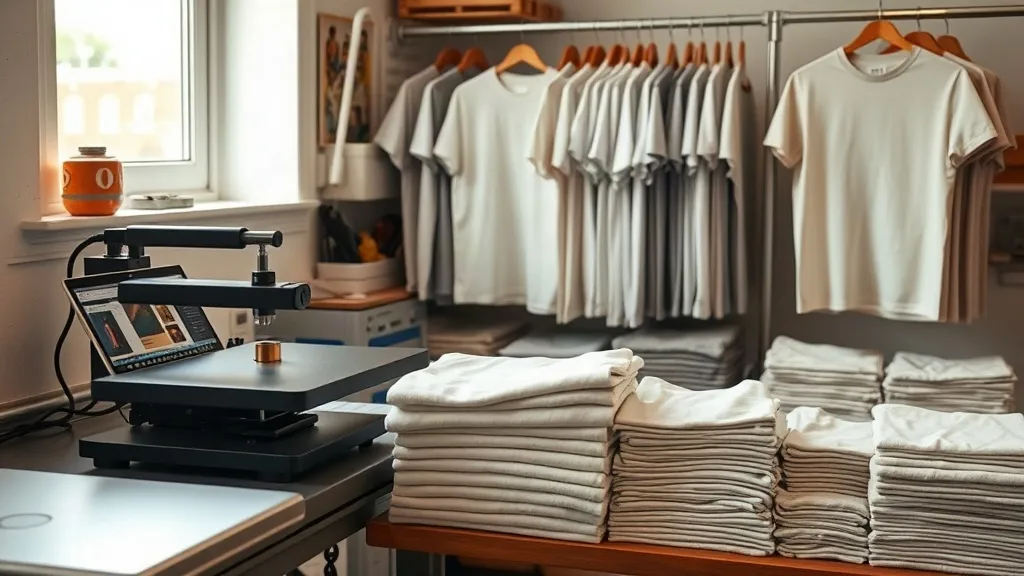
Every print shop owner knows the sinking feeling of a job that looks great on the press but fails in the wash. The ink held, the colors popped, and the customer was happy at pickup. Three weeks later, the shirt is pilling, the print is cracking, and your inbox has a refund request. Most of the time, the culprit is not the transfer. It is the blank underneath it. That is why the conversation around smart blanks and shaka wear matters more than it might seem from the outside. These are not just product names to memorize. They represent a way of buying blanks that keeps small shops solvent and repeat customers coming back.
This guide is for the person running a heat press in a garage, a back room, or a small storefront. It covers how to evaluate blanks, where smart blanks fit into a lean operation, and why shaka wear has become a quiet favorite among shops that care about print quality and cost per unit.
Why the Blank Decides Whether Your Print Survives
A DTF transfer is only as good as the surface it lands on. Cotton blends, ring-spun jersey, and open-end carded cotton all behave differently under heat and pressure. The adhesive powder needs a smooth, consistent surface to bond properly. If the fabric has too much texture or a heavy finish, the transfer can sit on top of the fibers instead of locking into them. That is where cracking and peeling begin.
Experienced press operators learn to read a blank before they ever load it. They check the hand feel, the weight, and the weave. A 4.5 oz jersey behaves very differently from a 6.0 oz heavyweight. Neither is automatically better, but each demands a different press setting and a different customer expectation. The trick is to standardize on a few blanks you trust so you are not recalibrating your entire workflow for every new order.
What Makes a Blank "Smart"
The term smart blanks gets thrown around loosely, but in practice it describes blanks chosen with three criteria in mind: predictable shrinkage, consistent dye lots, and a surface that accepts transfers cleanly. A smart blank does not surprise you. It fits the same way after five washes. It does not ghost or bleed under heat. And it does not force you to over-engineer your press settings.
For a small shop, that predictability is worth more than a few cents saved per unit. A cheap blank that fails on 10 percent of orders costs you far more in reprints, shipping, and reputation than a slightly pricier blank that performs every time. Smart buying is not about finding the absolute lowest price. It is about finding the lowest total cost of ownership across the life of the garment.
The Shaka Wear Advantage in Practice
Shaka Wear has built a following among streetwear printers and small custom shops for a reason that is easy to miss on a spec sheet: consistency. Their tees tend to run true to size, hold their shape through repeated washes, and provide a smooth print surface that works well with DTF transfers and screen printing alike. The heavyweight options in particular appeal to shops producing hoodies and oversized tees where drape and structure matter.
What printers notice first is the hand feel. A blank that feels substantial without being stiff gives the printed design a premium look. Customers may not articulate why one shirt feels better than another, but they vote with their wallets. A tee that feels good on the first wear and still feels good after a month is a tee that gets worn in public, which is the only marketing that really counts for a small apparel brand.
Building a Blank Strategy That Protects Your Margins
Most print shop pricing mistakes happen at the blank selection stage, not at the press. If you buy a blank that costs two dollars more than necessary, you either eat the difference or price yourself out of the job. The goal is to match the blank to the job, not to use the same tee for every order.
- Use lightweight, inexpensive blanks for promotional runs and giveaways where longevity is not the priority.
- Reserve premium blanks like shaka wear for retail-facing products where hand feel and durability drive repeat purchases.
- Standardize on two or three smart blanks across your catalog so your press settings stay dialed in.
- Track failure rates by blank. A simple spreadsheet of reprints per SKU will reveal which blanks are quietly costing you money.
This is not glamorous work, but it is the difference between a shop that survives its second year and one that folds. The printers who last are the ones who treat blank selection as a strategic decision rather than an afterthought.
How to Test a New Blank Before You Commit
Before you buy a case of anything, run a small test. Print a sample with your standard DTF settings, wash it three times inside out, and inspect the edges of the transfer. Look for lifting, cracking, or color shift. Then stretch the fabric gently where the print sits. If the print moves with the fabric without separating, you have a winner. If it cracks along the grain, the blank is fighting your transfer.
Also weigh the blank before and after washing. Significant weight loss usually signals poor cotton quality or excessive shrinkage. A blank that loses more than a few percentage points of its weight is not going to hold up in a customer's closet. Document these results and share them with your team so everyone presses with the same expectations.
Where Smart Blanks and Shaka Wear Fit in a Lean Workflow
A lean print shop minimizes waste at every step. That includes ink, film, powder, and blanks. When you standardize on a small set of trusted blanks, you reduce the number of variables in your process. Fewer variables mean fewer mistakes, faster turnaround, and happier customers.
Smart blanks and shaka wear complement each other in a catalog because they cover different price points and use cases without forcing you to relearn your press settings. You can build a tiered offering: an entry-level tee for bulk orders, a mid-tier blank for everyday retail, and a premium heavyweight for statement pieces. Each tier has a clear purpose, and each one is chosen because it performs, not because it was on sale.
Pricing With the Blank in Mind
Retail pricing for custom apparel usually follows a simple formula: blank cost plus print cost plus labor plus margin. The mistake is treating blank cost as a fixed number instead of a variable you control. If you can shave fifty cents off a blank without sacrificing quality, that is pure margin. If you save fifty cents but increase your reprint rate by two percent, you have lost money.
Run the math on your actual numbers. Take your average order size, your reprint rate, and your blank cost. Then model what happens if you switch to a blank with a slightly higher unit cost but a lower failure rate. Most shops find that the higher-quality blank wins once reprints and refunds are factored in. That is the quiet case for smart blanks and shaka wear: they are not the cheapest option, but they are often the most profitable one.
Common Mistakes When Choosing Blanks for DTF
The most frequent error is buying on price alone. A blank that costs a dollar less per unit looks like a win until the first wash cycle. The second most common mistake is ignoring fabric composition. Polyester blends can accept DTF transfers beautifully, but they require different press settings than 100 percent cotton. If you do not adjust, you get inconsistent results across your catalog.
A third mistake is assuming all heavyweight blanks are created equal. Some heavyweights are heavy because of dense weaving, which is good. Others are heavy because of added sizing or finishes that interfere with adhesion. Always test before you commit. And finally, do not overlook color consistency. A blank line that shifts shade between dye lots will make your catalog look inconsistent, which erodes trust with retail buyers.
Frequently Asked Questions
Are smart blanks suitable for high-volume DTF production?
Yes. Smart blanks are chosen specifically for consistency and predictable behavior under heat and pressure, which makes them well suited to high-volume work. The key is to standardize on a few SKUs and dial in your press settings once, rather than recalibrating for every order.
How does Shaka Wear compare to other premium blanks for DTF printing?
Shaka Wear tends to offer a smooth print surface, true-to-size fit, and good wash durability, which are the three factors that matter most for DTF. Compared to other premium blanks, the main difference is hand feel and drape, so it is worth ordering a sample to see how it fits your specific customer base.
What should I look for when testing a new blank for DTF transfers?
Print a sample with your standard settings, wash it three times inside out, and check for lifting, cracking, and color shift. Stretch the fabric where the print sits to see if the transfer moves with it. Also weigh the blank before and after washing to catch excessive shrinkage or weight loss.
Can I mix smart blanks and Shaka Wear in the same catalog?
Absolutely. Many shops use smart blanks for entry-level and bulk orders and Shaka Wear for premium retail pieces. The important thing is to keep your press settings documented for each blank so your team can switch between them without guesswork.
How do I calculate the true cost of a blank?
Add the unit cost, your reprint rate multiplied by the cost of a reprint, and any labor time spent troubleshooting failures. A blank with a slightly higher unit price but a lower failure rate often ends up cheaper on a per-wear basis, which is the number that matters for repeat business.