
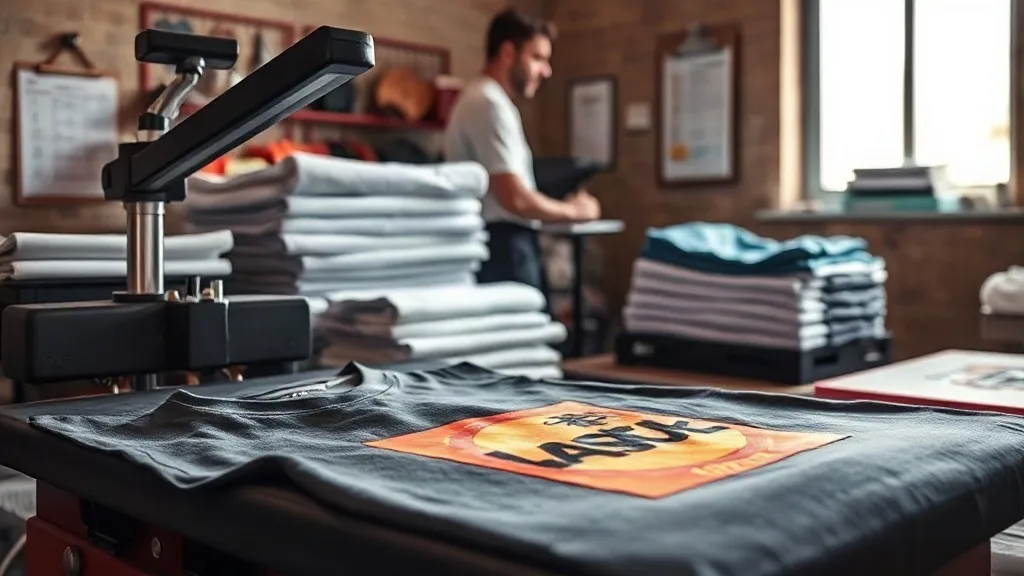
Every print shop owner knows the feeling: a customer calls at 4 p.m. on a Thursday needing 50 shirts by Saturday morning. Your first instinct might be to panic, then to quote a price so high they'll say no. But what if that rush order could be a steady source of profit instead of a headache? The secret lies in how you structure your dtf transfers workflow before the phone rings.
I've spent the last three years running a small custom apparel shop that specializes in last-minute orders. In that time, I've learned that rush jobs aren't the enemy. Poor preparation is. When you have a system in place, a tight deadline becomes a chance to earn premium margins and build loyalty with clients who desperately need someone reliable. Here's how to make that happen in your own shop.
Why Rush Orders Are a Hidden Profit Opportunity
Most print shops treat rush orders as a necessary evil. They tack on a fee, grumble through the process, and hope the customer doesn't come back. But that mindset leaves money on the table. Customers who need something fast are usually willing to pay for speed and reliability. They're also more likely to become repeat clients because they've experienced your ability to deliver under pressure.
The key is to make rush orders a planned part of your business, not an emergency. That means having a production method that can scale up quickly without disrupting your regular schedule. For many shops, that method is dtf printing. Unlike screen printing, which requires setup time and minimum quantities, DTF lets you press a single shirt or a hundred with the same ease. You can turn a rush order around in hours, not days, if you have the right supplies on hand.
Setting Up Your Shop for Speed
Speed doesn't happen by accident. It comes from having materials ready, equipment maintained, and a clear process that anyone on your team can follow. Here are the practical steps I took to cut my turnaround time from two days to under four hours for most rush jobs.
Keep a Dedicated Rush Shelf
Nothing slows you down like hunting for supplies. I set aside a shelf specifically for rush orders: a few rolls of dtf transfers film, extra powder, and a stack of blank shirts in the most popular sizes and colors. When a rush job comes in, I don't have to dig through the back room. Everything is within arm's reach. This simple organization trick has saved me at least 30 minutes per rush order.
Standardize Your Press Settings
Every heat press behaves a little differently, but once you dial in the right settings for your DTF transfers, write them down and stick to them. I keep a laminated card taped to the wall next to my press with the exact temperature, pressure, and time for each fabric type. That way, anyone in the shop can press a shirt without second-guessing. Consistency also reduces mistakes, which are the last thing you need on a tight deadline.
Build a Small Blank Inventory
You can't press a shirt if you don't have one. I keep a rotating stock of about 50 blank tees in black, white, and navy, plus a few hoodies. This covers most rush requests without tying up too much cash. When I sell a blank, I reorder it immediately, so the shelf is always ready. If you're not sure which blanks to stock, start with the ones your customers ask for most. For me, that's a mid-weight cotton tee that holds a DTF print well and doesn't shrink after washing.
The DTF Advantage for Tight Deadlines
Not all printing methods are created equal when time is short. Screen printing requires burning screens, mixing ink, and cleaning up, which can take hours before the first shirt is even printed. Vinyl cutting is faster for simple designs but falls short on complex artwork. DTF, on the other hand, lets you print a design, powder it, and press it in one continuous flow. Once the transfer is made, you can press it onto a shirt in under a minute.
That speed is why so many shops are turning to dtf transfers for rush orders. You can prepare a gang sheet with multiple designs, print it in one pass, and have a batch of transfers ready to press. If a customer needs 20 shirts with different names on the back, you can arrange all the names on a single sheet, print once, and press each shirt individually. There's no setup between designs, no color changes, and no wasted material.
Pricing Rush Orders Without Guessing
One of the hardest parts of rush orders is pricing. Charge too little and you resent the work. Charge too much and you lose the customer. I use a simple formula that has worked well for my shop: base price plus a rush fee that scales with the deadline. For same-day service, I add 40 percent. For next-day, 25 percent. For anything beyond that, I stick to my standard rate.
The key is to be transparent. I tell customers upfront what the rush fee is and why it exists. Most people understand that speed costs money, especially when they're the ones who waited until the last minute. And because my DTF workflow is so efficient, I can often absorb part of the rush fee as profit rather than passing it all on to the customer. That keeps my prices competitive while still rewarding me for the extra effort.
Finding Reliable Supplies When You Need Them Fast
Even the best workflow falls apart if you run out of materials. That's why I always have a backup supplier. When I first started, I ordered dtf transfers near me from a local distributor who could deliver within a day. That relationship saved me more than once when I misjudged my film usage. Now I keep a two-week supply on hand, but I still maintain that local contact for emergencies.
If you're looking for a supplier, don't just compare prices. Check their turnaround time, their minimum order, and their customer service. A slightly higher price per sheet is worth it if you know you can get more within 24 hours. Ask other shop owners in your area who they use. Local recommendations are often the most reliable.
Training Your Team to Handle Rush Orders
You can't be in the shop 24/7, so your team needs to know how to handle rush orders when you're not there. I cross-train everyone on the DTF process, from printing to pressing. We have a simple checklist that anyone can follow: check the order details, pull the right blanks, print the transfers, press, and inspect. The checklist hangs on the wall next to the press, and every new hire practices it until they can do it without thinking.
I also empower my team to make small decisions. If a customer wants a rush order but we're low on a particular blank, they can offer a similar color or size without calling me. That flexibility keeps orders moving and customers happy. The worst thing you can do is create a bottleneck where every decision has to go through one person.
Turning One Rush Order Into a Long-Term Client
The real profit from rush orders comes from repeat business. A customer who needed you in a pinch will remember that you delivered. I always follow up a rush order with a quick email or text: "Hope the shirts worked out. Let me know if you need anything else." That small gesture often leads to future orders, sometimes with more lead time and larger quantities.
I also offer a small discount on their next order if they book at least a week in advance. This encourages customers to plan ahead, which reduces the number of true emergencies while still rewarding them for choosing my shop. Over time, those rush customers become regulars who trust me with all their apparel needs.
Common Questions About Rush DTF Orders
How fast can you turn around a rush DTF order?
With a prepared shop, you can often complete a rush order in a few hours. The actual pressing takes less than a minute per shirt, so the bottleneck is usually drying time for the printed transfers. If you print and powder in the morning, you can press in the afternoon. For same-day service, communicate clearly about pickup times and set realistic expectations.
Do rush orders require different DTF materials?
No, the materials are the same. However, you should always use high-quality film and powder to ensure the print holds up. Cheap materials can lead to cracking or fading, which is the last thing you want on a rush job. Stick with your trusted suppliers and keep extra on hand.
Can I charge a rush fee and still keep customers happy?
Yes, as long as you're transparent and deliver on your promise. Explain the fee upfront and justify it with the extra effort and resources required. Customers who value speed will gladly pay for it, especially if you save them from a last-minute crisis.
What's the best way to handle a rush order for a large quantity?
Break the order into smaller batches. Print multiple gang sheets with the designs you need, then press in assembly-line fashion. If you have a second press or a helper, you can double your output. For very large orders, consider outsourcing part of the work to a trusted partner, but always inspect the final product before delivery.
How do I avoid burnout from too many rush orders?
Set limits. Decide how many rush orders you can handle per day and stick to it. It's better to decline a job than to deliver poor quality or miss a deadline. Use your calendar to block out time for regular orders and leave buffer room for the unexpected. And remember, you can always raise your rush fee if demand gets too high.