
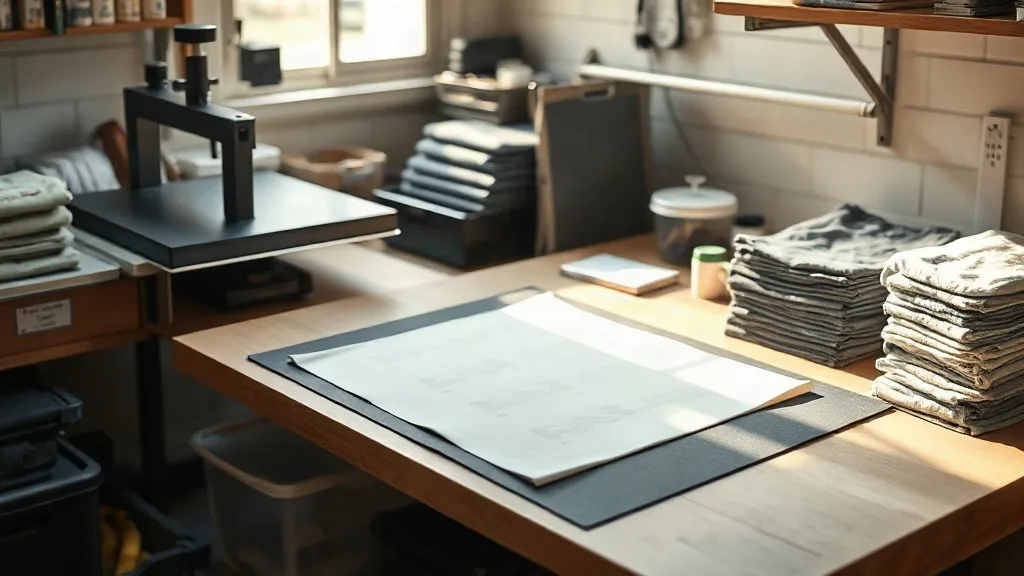
Most print shops do not lose money on dtf transfers because their prices are too low. They lose it in the gaps between the invoice and the bank balance: a gangsheet with wasted inches, a roll of film that sat open for a month, a reprint that nobody logged. The transfer itself is a small physical object, but the decisions wrapped around it decide whether a job earns 40 percent or 12 percent. This guide is about those decisions.
If you already run a press or a heat press, you know the basics. What follows is the layer above the basics: how to build a costing model you actually trust, how to batch work so your dtf output stops eating your afternoon, and how to price in a way that survives a busy week instead of only looking good on a quiet one. And if you are still deciding where to buy sheets or gangsheets, the same logic applies when you search for dtf transfers near me and compare local suppliers against online ones.
Start with a cost per square inch, not a cost per shirt
Per-shirt costing feels intuitive and is almost always wrong. A left-chest logo and a full back print use wildly different amounts of film, powder, and press time, yet shops routinely quote both from the same mental price list. The fix is to build your numbers around area and time instead.
Here is a simple method that works whether you print your own transfers or buy them in:
- Measure the printed area of a typical design in square inches. A 10 by 12 inch back print is 120 square inches; a 3 by 3 inch chest logo is 9.
- Add your film and powder cost for that area, then add press time at your hourly rate. A 15-second press plus load and unload is realistically closer to 45 seconds of labor.
- Add a waste factor. Ten to fifteen percent is a reasonable starting point for small runs; lower it as your nesting gets tighter.
- Add your blank cost and a margin that reflects the risk of a reprint.
Once you have a cost per square inch, quoting becomes fast and consistent. It also exposes the jobs that were never profitable. A shop that charges the same for a pocket logo and a full back print is effectively subsidizing one customer with another.
The gangsheet is where margin is won or lost
Gangsheet layout is the single highest-leverage skill in a dtf workflow. Two shops can pay the same price for film and powder and end up with a 20 percent difference in cost per print, purely because one nests artwork tightly and the other leaves a border of empty film around every design.
Nesting habits that pay for themselves
Rotate small designs to fill gaps left by large ones. Group jobs by film type and powder color so you are not switching mid-sheet. Keep a standard gutter width and stick to it, because inconsistent spacing is how sheets get wasted. If you run a roll-based printer, print a continuous strip of small logos rather than a series of short sheets, since the leading and trailing waste on each sheet adds up over a hundred jobs.
It also helps to separate your queue by urgency. A rush order that forces you to cut a half-used sheet short costs more than the rush fee you charged. Batching by deadline, not by customer, keeps sheets full and presses busy.
Keep a waste log for two weeks
You cannot reduce waste you have not measured. For two weeks, note every sheet you discard, every reprint, and every transfer that failed at press. Most shops find the same three causes repeating: powder applied unevenly, film stored in humid air, and artwork scaled slightly wrong for the garment. Fixing one of those three is usually worth more than a supplier discount.
Film and powder choices that affect the bottom line
Film is not a commodity item, even when it looks like one. Thicker films can be more forgiving during transfer but cost more per sheet and can feel heavier on the garment. Thinner films press cleaner on fine knits but demand more care in storage and handling. The right choice depends on what you print most, not on which roll is cheapest that week.
Powder behaves the same way. A finer powder gives a softer hand and better detail on small text, but it is less forgiving if your humidity control is poor. Coarser powder is more robust for large solid areas. Many shops keep two powders on the shelf and match them to the job rather than forcing one product to do everything.
Storage matters more than most owners expect. Film that absorbs moisture from the air will curl, misfeed, and produce inconsistent transfers. A sealed bin with a desiccant pack is a cheap fix that prevents expensive reprints. If your shop sits in a humid climate, treat this as a non-negotiable part of the workflow rather than an optional nicety.
Pricing that holds up on a busy Friday
The test of a price list is not whether it wins the quote. It is whether you still like the job when it is due tomorrow and the press is already booked. Three pricing habits tend to separate shops that grow from shops that churn:
- Charge for setup separately from per-piece printing. Setup is real labor, and hiding it inside a per-shirt price makes small orders look unprofitable, which they often are.
- Set a minimum order value rather than a minimum quantity. A single shirt with a complex back print can take longer than five simple chest logos.
- Quote rush work at a real premium. If a rush job pushes a standard job to the next day, the premium should cover the disruption, not just the extra hour.
It also helps to publish clear turnaround expectations. Customers accept a three-day standard turnaround far more readily than a one-day promise you cannot keep. The shop that consistently delivers on a realistic timeline earns repeat business, and repeat business is where margin actually accumulates.
Where to buy, and how to judge a supplier
Whether you print in-house or outsource, supplier quality shows up directly in your reprint rate. A cheap sheet that fails one transfer in ten is more expensive than a premium sheet that fails one in fifty, once you count labor, blank cost, and the customer conversation.
When comparing suppliers, ask concrete questions. What film thickness do they use, and is it consistent batch to batch? How do they handle a defective sheet? What is their actual turnaround on gangsheets during peak season? A supplier who answers these plainly is usually a safer bet than one who only competes on price. Shops searching for dtf transfers near me often find that a local supplier's faster turnaround and easier problem-solving outweigh a slightly higher sheet price, especially for rush work.
If you are buying finished dtf transfers rather than printing your own, test a small batch before committing to a large order. Press a few onto the exact blanks you use, wash them, and check for cracking, fading, and edge lift. That test costs an hour and can save a season of complaints.
Small workflow habits with outsized returns
None of the following is glamorous, but each one tends to show up in the margin at the end of the quarter:
- Label every gangsheet with the order number and date so nothing gets lost in the queue.
- Keep a printed press setting card taped near the machine for each blank type you use regularly.
- Photograph every completed order before packing. It resolves most disputes in one message.
- Review your three most frequent reprint causes monthly and fix one.
- Track your actual film usage against your theoretical usage. The gap is your hidden cost.
These habits compound. A shop that cuts its reprint rate in half does not just save materials; it frees press time, which is the scarcest resource in most small operations.
Frequently asked questions
How do I calculate a fair price for a DTF transfer job?
Work from printed area and press time rather than a flat per-shirt rate. Add film, powder, labor, blank cost, a waste factor, and your target margin. Then check the result against what the job actually takes on a busy day, not an ideal one.
Is it cheaper to print my own transfers or buy them pre-made?
It depends on volume and how well you control waste. At low volume, buying finished transfers usually wins because you avoid equipment, film inventory, and powder handling. At consistent high volume with tight nesting, in-house printing often lowers cost per print, provided your reprint rate stays low.
Why do my transfers crack after a few washes?
The usual causes are uneven powder application, insufficient press pressure, or pressing onto a fabric with a coating that does not bond well. Check your press settings against the blank manufacturer's recommendations, then test a washed sample before running a full order.
How should I store DTF film to avoid problems?
Keep it sealed, flat, and dry. Moisture is the main enemy; it causes curling and misfeeds. A closed bin with a desiccant pack and a stable room temperature prevents most storage-related failures.
What is a reasonable reprint rate to aim for?
Many well-run small shops keep reprints under five percent of total prints. If yours is higher, log the causes for two weeks. The pattern is usually obvious, and fixing the top cause is often a matter of technique rather than new equipment.